
For parents and carers
Guides for the grown-up doing the reading
Bedtime routines, reading aloud, why stories matter, where the classic tales come from, what to read at each age, and how to tell your own. 43 guides, each written to be read on a phone at nine o'clock at night.
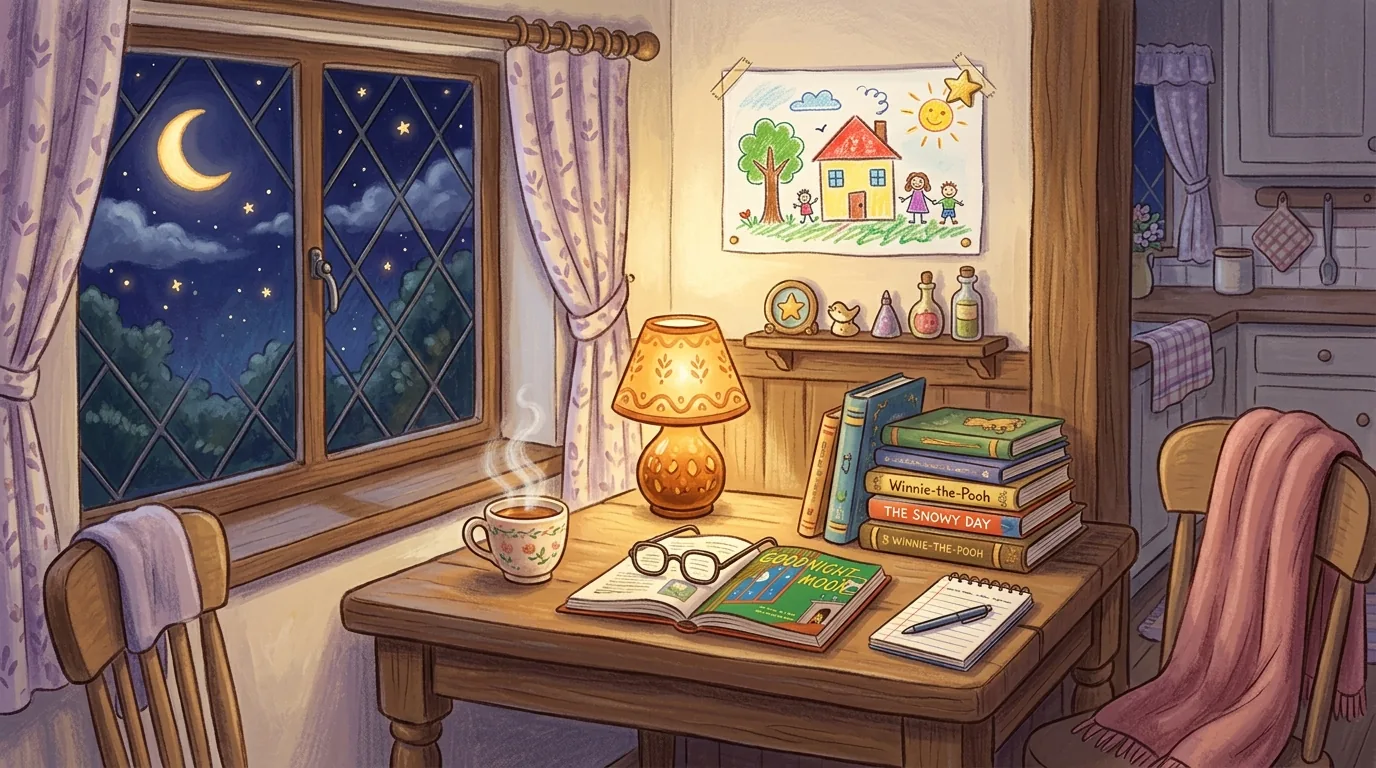
These 43 guides are for the adult doing the reading, not the child listening. They cover the bedtime routine, how to read aloud, what the research does and does not show, where the classic tales came from, what suits each age, and how to make up a story of your own.
Start here
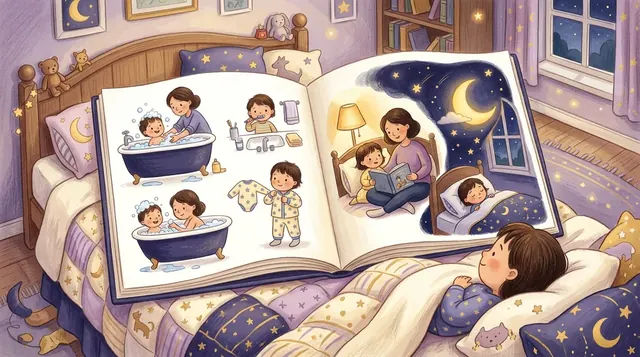
The Complete Guide to Bedtime Stories
A bedtime story is a five-to-fifteen-minute wind-down ritual that improves sleep, language and the parent–child bond; this guide covers why it works, when to start, what to read at each age, how to read aloud well, and what to do when it goes wrong.
Read the complete guide 11 min readHow these guides are organised
Start with a hub, or jump to a question
Six topics, each with a longer hub guide at its centre and shorter pieces around it. Read a hub first if the subject is new to you; read a spoke if you have a specific question, such as what to do when a four-year-old will not settle or whether a wolf is too frightening for a three-year-old. Every guide links to the stories in the library it talks about, and every story page links back to the guides that help with it.
Where the contributed writing lives
These guides are written by the editorial desk. Articles sent in by contributors, on bedtime, reading and family life, are published separately on the blog, where each one carries its author’s name and the note that it was reviewed before it ran.
How they are researched
The guides are written and reviewed by the editorial team, cite their sources at the foot of the page, and say when they were last updated. Where the evidence is mixed we say so rather than picking a side. How they are researched and corrected is set out in the editorial policy.
Bedtime routines and sleep
Building a wind-down that works, night after night · Start with the hub guide
 10 min read · Updated Sep 22, 2026
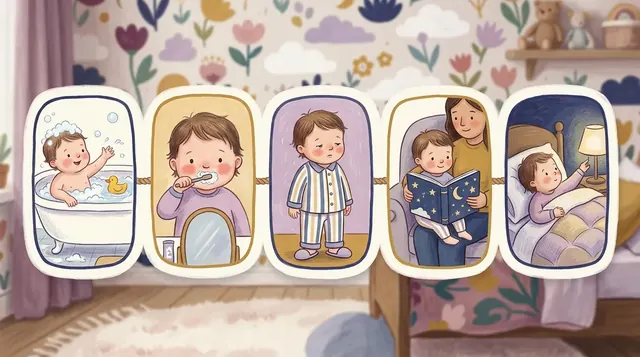
The Bedtime Routine Guide: Building a Wind-Down That Works
10 min read · Updated Sep 22, 2026
The Bedtime Routine Guide: Building a Wind-Down That Works
A good bedtime routine is a short, fixed sequence of calm steps in the same order every night, ending with a story and lights out; consistency…
Read the guide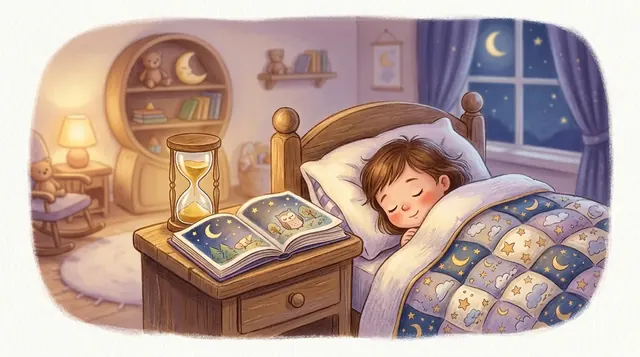 7 min read · Updated Sep 22, 2026
How Long Should a Bedtime Story Be?
7 min read · Updated Sep 22, 2026
How Long Should a Bedtime Story Be?
Five to ten minutes of reading aloud suits most children from toddlerhood to about eight; the right length is the one that ends before the child is…
Read the guide 7 min read · Updated Sep 22, 2026
A Bedtime Routine for Toddlers (Ages 1–3)
7 min read · Updated Sep 22, 2026
A Bedtime Routine for Toddlers (Ages 1–3)
Toddlers need a shorter, more repetitive routine than older children: bath, teeth, the same two or three short stories or rhymes, a song, and a firm…
Read the guide 6 min read · Updated Sep 22, 2026
Why Bedtime Stories Help Children Sleep: What the Research Says
6 min read · Updated Sep 22, 2026
Why Bedtime Stories Help Children Sleep: What the Research Says
A story works as a sleep cue because it is predictable, screen-free, and slows both breathing and attention; the research on bedtime routines links…
Read the guide 7 min read · Updated Sep 22, 2026
Screen-Free Bedtime: Replacing the Tablet With a Story
7 min read · Updated Sep 22, 2026
Screen-Free Bedtime: Replacing the Tablet With a Story
Screens before bed delay sleep through light, stimulation and the end-of-episode cliff; swapping the last thirty minutes for a read-aloud story is…
Read the guide 6 min read · Updated Sep 22, 2026
What to Do When Your Child Won't Settle After the Story
6 min read · Updated Sep 22, 2026
What to Do When Your Child Won't Settle After the Story
Bedtime resistance after the story is usually one of four things: overtiredness, a routine that has drifted, a fear that has not been named, or a bid…
Read the guide 6 min read · Updated Sep 22, 2026
One Story, Two Children: Bedtime Reading for Siblings of Different Ages
6 min read · Updated Sep 22, 2026
One Story, Two Children: Bedtime Reading for Siblings of Different Ages
Reading to siblings of different ages works when you pick a story pitched at the older child and give the younger one a job, alternate who chooses…
Read the guideReading aloud
Voices, pacing, questions, and what to do when they interrupt · Start with the hub guide
 11 min read · Updated Sep 22, 2026
How to Read a Bedtime Story Aloud (So They Ask for Another)
11 min read · Updated Sep 22, 2026
How to Read a Bedtime Story Aloud (So They Ask for Another)
Reading aloud well means reading slower than feels natural, giving characters a hint of a voice, pausing at page turns, and slowing further as the…
Read the guide 9 min read · Updated Sep 22, 2026
Character Voices for Bedtime Stories: A Beginner's Guide
9 min read · Updated Sep 22, 2026
Character Voices for Bedtime Stories: A Beginner's Guide
You need only two or three voices, distinguished by pitch and speed rather than accents: a low slow voice for the big character, a high quick one for…
Read the guide 7 min read · Updated Sep 22, 2026
Questions to Ask During a Bedtime Story (Without Ruining It)
7 min read · Updated Sep 22, 2026
Questions to Ask During a Bedtime Story (Without Ruining It)
Two or three open questions per story, asked at natural pauses, double what a child gets from being read to; the discussion guide on every story page…
Read the guide 7 min read · Updated Sep 22, 2026
Why Children Want the Same Story Every Night (and Why You Should Read It)
7 min read · Updated Sep 22, 2026
Why Children Want the Same Story Every Night (and Why You Should Read It)
Repetition is how young children learn language and how they feel safe; a story heard twenty times is doing more, not less, and this guide explains…
Read the guide 7 min read · Updated Sep 22, 2026
Reading Aloud to a Child Who Interrupts, Wriggles or Wanders Off
7 min read · Updated Sep 22, 2026
Reading Aloud to a Child Who Interrupts, Wriggles or Wanders Off
Interruptions are engagement, not rudeness; the fixes are shorter stories, a job for the hands, questions that channel the talking, and the…
Read the guide 7 min read · Updated Sep 22, 2026
Bedtime Stories When You Are Too Tired to Read
7 min read · Updated Sep 22, 2026
Bedtime Stories When You Are Too Tired to Read
On the nights you cannot face a book, a two-minute rhyme, a story told from memory, or the site's read-aloud voice with you lying beside them all…
Read the guide 8 min read · Updated Sep 22, 2026
Audio Bedtime Stories and Read-Aloud Voices: How to Use Them Well
8 min read · Updated Sep 22, 2026
Audio Bedtime Stories and Read-Aloud Voices: How to Use Them Well
Audio stories and a read-aloud voice are a good second-best to a parent reading, and a good first choice for long car journeys and the nights a…
Read the guideWhy stories matter
Language, empathy, sleep and the science behind the ritual · Start with the hub guide
 10 min read · Updated Sep 22, 2026
The Benefits of Bedtime Stories: Language, Sleep, Empathy and Bonding
10 min read · Updated Sep 22, 2026
The Benefits of Bedtime Stories: Language, Sleep, Empathy and Bonding
Bedtime stories build vocabulary and listening comprehension, model empathy and problem-solving, anchor the sleep routine, and give a child ten…
Read the guide 7 min read · Updated Sep 22, 2026
How Bedtime Stories Build Language: Vocabulary, Grammar and Listening
7 min read · Updated Sep 22, 2026
How Bedtime Stories Build Language: Vocabulary, Grammar and Listening
Story language is richer than conversation, so a child who is read to daily hears hundreds of thousands more words by school age, in sentences more…
Read the guide 7 min read · Updated Sep 22, 2026
How Stories Teach Empathy
7 min read · Updated Sep 22, 2026
How Stories Teach Empathy
A story is a safe rehearsal for someone else's feelings: the child imagines being the duckling, the match girl, the frightened little pig, and…
Read the guide 6 min read · Updated Sep 22, 2026
Morals in Children's Stories: Teaching Values Without Preaching
6 min read · Updated Sep 22, 2026
Morals in Children's Stories: Teaching Values Without Preaching
Children absorb a story's moral when it is shown by what characters do and lose, not when it is announced; fables state it at the end, fairy tales…
Read the guide 8 min read · Updated Sep 22, 2026
Are Fairy Tales Too Scary? Wolves, Witches and the Uses of Fear
8 min read · Updated Sep 22, 2026
Are Fairy Tales Too Scary? Wolves, Witches and the Uses of Fear
The frightening parts of fairy tales are the point: a wolf that is defeated teaches a child that fear can be survived, but the version, the age and…
Read the guide 6 min read · Updated Sep 22, 2026
Bedtime Stories and Imagination: Why Pictures in the Head Beat Pictures on a Screen
6 min read · Updated Sep 22, 2026
Bedtime Stories and Imagination: Why Pictures in the Head Beat Pictures on a Screen
Listening to a story makes a child build the scene themselves, which exercises imagination in a way watching cannot; this guide covers what the…
Read the guide 7 min read · Updated Sep 22, 2026
Reading Aloud and School Readiness: What a Bedtime Story Does for the First Day of School
7 min read · Updated Sep 22, 2026
Reading Aloud and School Readiness: What a Bedtime Story Does for the First Day of School
Children who are read to daily arrive at school with larger vocabularies, better attention spans and a sense of how print works; the bedtime story is…
Read the guideWhere the stories come from
Grimm, Andersen, Aesop, Perrault, and the folk tales behind them · Start with the hub guide
 10 min read · Updated Sep 22, 2026
A Short History of Fairy Tales: From Fireside to Bedtime
10 min read · Updated Sep 22, 2026
A Short History of Fairy Tales: From Fireside to Bedtime
Fairy tales were adult entertainment told around fires and in courts long before they were for children; Perrault polished them for Versailles, the…
Read the guide 7 min read · Updated Sep 22, 2026
Who Were the Brothers Grimm? The Men Behind the Fairy Tales
7 min read · Updated Sep 22, 2026
Who Were the Brothers Grimm? The Men Behind the Fairy Tales
Jacob and Wilhelm Grimm were German scholars who collected folk tales from friends and neighbours between 1806 and 1857, publishing them as…
Read the guide 7 min read · Updated Sep 22, 2026
Hans Christian Andersen: The Life Behind the Ugly Duckling
7 min read · Updated Sep 22, 2026
Hans Christian Andersen: The Life Behind the Ugly Duckling
Andersen was a shoemaker's son from Odense who wrote more than 150 fairy tales of his own invention, and the loneliness, longing and hope in them…
Read the guide 7 min read · Updated Sep 22, 2026
Aesop and His Fables: Who He Was and Why the Tortoise Still Wins
7 min read · Updated Sep 22, 2026
Aesop and His Fables: Who He Was and Why the Tortoise Still Wins
Aesop was probably a Greek slave of the sixth century BC, and probably several people; the fables that carry his name are the world's oldest…
Read the guide 8 min read · Updated Sep 22, 2026
Charles Perrault and the French Fairy Tale
8 min read · Updated Sep 22, 2026
Charles Perrault and the French Fairy Tale
Perrault, a retired civil servant at the court of Louis XIV, published eight tales in 1697 that gave the world Cinderella's glass slipper, Puss in…
Read the guide 7 min read · Updated Sep 22, 2026
The Origins of Nursery Rhymes: What Humpty, Jack and the Cow Are Really About
7 min read · Updated Sep 22, 2026
The Origins of Nursery Rhymes: What Humpty, Jack and the Cow Are Really About
Most nursery rhymes are between two and four hundred years old and started as street songs, riddles and satire; the famous dark 'true meanings' are…
Read the guide 8 min read · Updated Sep 22, 2026
Folk Tales Around the World: The Same Stories, Told Everywhere
8 min read · Updated Sep 22, 2026
Folk Tales Around the World: The Same Stories, Told Everywhere
Cinderella has hundreds of versions from China to the Zuni; the tale types that recur across cultures show what every society wanted its children to…
Read the guide 7 min read · Updated Sep 22, 2026
Andrew Lang and the Coloured Fairy Books
7 min read · Updated Sep 22, 2026
Andrew Lang and the Coloured Fairy Books
Between 1889 and 1910 the Scottish scholar Andrew Lang published twelve colour-named fairy books that gathered tales from every continent into…
Read the guideStories by age
What to read from the first months to the last years of being read to · Start with the hub guide
 10 min read · Updated Sep 22, 2026
Bedtime Stories by Age: What to Read From Birth to Twelve
10 min read · Updated Sep 22, 2026
Bedtime Stories by Age: What to Read From Birth to Twelve
Babies want rhythm, toddlers want repetition, preschoolers want a hero and a happy ending, early readers want a plot with a middle, and tweens want…
Read the guide 6 min read · Updated Sep 22, 2026
Bedtime Stories for Babies: Reading to a Child Who Cannot Talk Yet
6 min read · Updated Sep 22, 2026
Bedtime Stories for Babies: Reading to a Child Who Cannot Talk Yet
Reading to a baby is about voice, rhythm and closeness, not plot: rhymes, repetitive board-book language and your own voice are what matter, and it…
Read the guide 6 min read · Updated Sep 22, 2026
Bedtime Stories for Toddlers (1–3): Short, Repetitive and Safe
6 min read · Updated Sep 22, 2026
Bedtime Stories for Toddlers (1–3): Short, Repetitive and Safe
Toddlers need stories under five minutes with a strong rhythm, familiar animals, gentle surprises and no real peril; expect to read the same three…
Read the guide 6 min read · Updated Sep 22, 2026
Bedtime Stories for Preschoolers (3–5): Heroes, Magic and Happy Endings
6 min read · Updated Sep 22, 2026
Bedtime Stories for Preschoolers (3–5): Heroes, Magic and Happy Endings
Three-to-five-year-olds are ready for a real plot with a hero, a problem and a resolution; this is the age for the kindest versions of the classic…
Read the guide 6 min read · Updated Sep 22, 2026
Bedtime Stories for 5-to-8-Year-Olds: Longer Tales and Cleverer Heroes
6 min read · Updated Sep 22, 2026
Bedtime Stories for 5-to-8-Year-Olds: Longer Tales and Cleverer Heroes
Early readers can follow a story across chapters and enjoy a proper villain; this is the age for fuller fairy tales, adventures and fables with…
Read the guide 7 min read · Updated Sep 22, 2026
Bedtime Stories for Tweens (8–12): Yes, Keep Reading to Them
7 min read · Updated Sep 22, 2026
Bedtime Stories for Tweens (8–12): Yes, Keep Reading to Them
Older children have not outgrown being read to, only being read down to; long literary tales, myths and stories with untidy endings keep the ritual…
Read the guide 6 min read · Updated Sep 22, 2026
When Children Stop Wanting Bedtime Stories (and How to Keep Them Going)
6 min read · Updated Sep 22, 2026
When Children Stop Wanting Bedtime Stories (and How to Keep Them Going)
Most children drift away from bedtime stories between eight and eleven, usually because the stories stopped growing with them; a change of material…
Read the guideTelling your own stories
Inventing, adapting and performing stories of your own · Start with the hub guide
 11 min read · Updated Sep 22, 2026
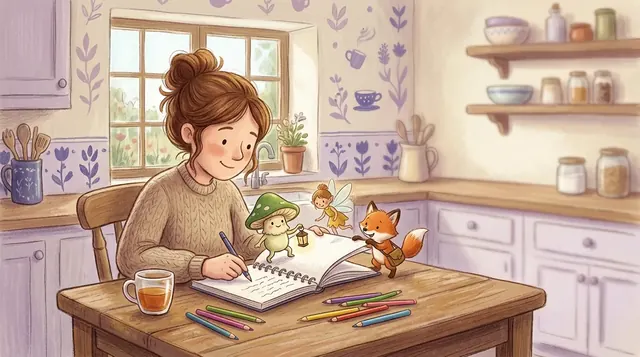
How to Write a Bedtime Story: A Step-by-Step Guide for Parents
11 min read · Updated Sep 22, 2026
How to Write a Bedtime Story: A Step-by-Step Guide for Parents
A bedtime story needs a likeable hero, one problem, three tries, and a calm ending, in about 600 words; this guide walks through each step with…
Read the guide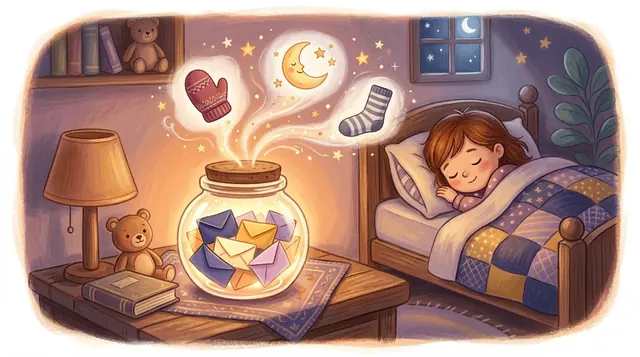 9 min read · Updated Sep 22, 2026
50 Bedtime Story Ideas and Prompts for Parents
9 min read · Updated Sep 22, 2026
50 Bedtime Story Ideas and Prompts for Parents
Fifty story starters sorted by age and mood, from a lost mitten's journey home to the night the moon needed a babysitter, each with a suggested hero…
Read the guide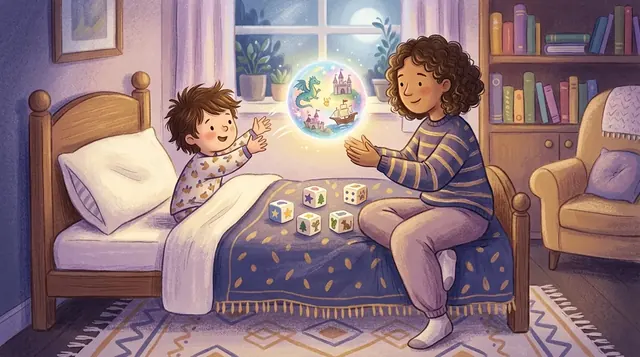 7 min read · Updated Sep 22, 2026
Storytelling Games for Bedtime: Ten Ways to Make a Story Together
7 min read · Updated Sep 22, 2026
Storytelling Games for Bedtime: Ten Ways to Make a Story Together
Ten games, from 'and then' round-robin stories to three-word prompts and story dice, that let a child co-author the bedtime story; they suit tired…
Read the guide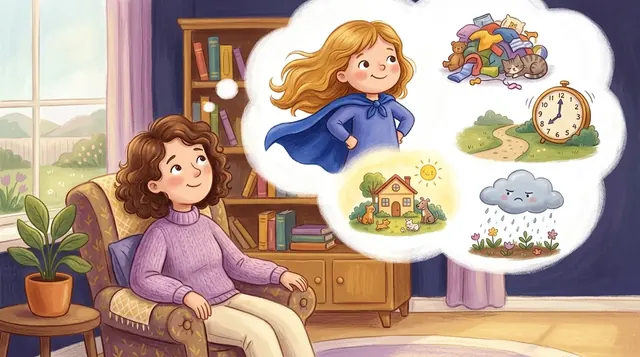 7 min read · Updated Sep 22, 2026
How to Make Up a Bedtime Story on the Spot
7 min read · Updated Sep 22, 2026
How to Make Up a Bedtime Story on the Spot
Improvised stories need a formula, not inspiration: name a hero the child likes, give them one wish, put three obstacles in the way, and let the…
Read the guide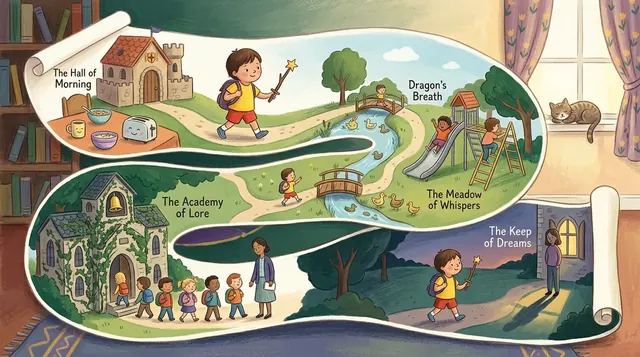 8 min read · Updated Sep 22, 2026
Turning Your Child's Day Into a Bedtime Story
8 min read · Updated Sep 22, 2026
Turning Your Child's Day Into a Bedtime Story
Retelling the child's own day as a story, with them as the hero and the day's small problems as the plot, is the oldest bedtime trick there is; it…
Read the guide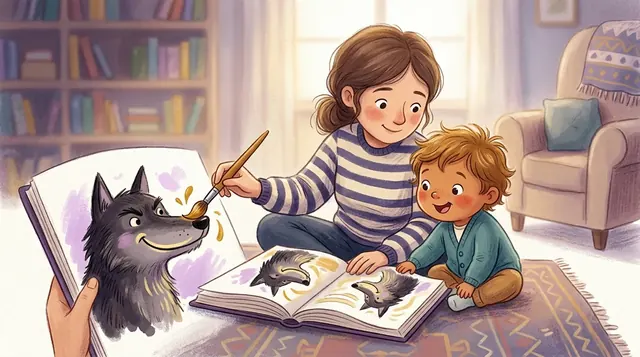 9 min read · Updated Sep 22, 2026
Adapting a Fairy Tale for Your Child: Softening, Personalising and Updating the Classics
9 min read · Updated Sep 22, 2026
Adapting a Fairy Tale for Your Child: Softening, Personalising and Updating the Classics
The classics have always been adapted for the child in the bed; this guide shows how to soften a frightening scene, swap in your child's name and…
Read the guideQuestions about the guides
Who writes these guides?
The BedtimeStory.kids editorial desk: the same team that edits the stories. Each guide cites its sources at the foot of the page and shows when it was last updated.
Are the guides based on research?
Where research exists, it is cited and named, including the paper or the body behind it. Where the evidence is thin or contested, the guide says so rather than picking a side, and where something is a judgement call it is labelled as one.
Which guide should I read first?
The complete guide to bedtime stories, which covers why the ritual works, when to start, what to read at each age and what to do when it goes wrong. Each of the six topics then has a longer hub guide with shorter pieces around it.
Ready to read?
Tonight's story is one tap away, chosen for the day and short enough for a school night.