
40 stories · part of Hardship
Pride stories
Boasters, show-offs, and the fall that follows
Forty stories about boasting and the fall that comes next. Two of them are the same race: The Hare and the Tortoise and The Tortoise and the Hare are separate retellings of the same Aesop fable, at six and seven minutes.
The hare who is too fast to bother, the emperor who cannot admit he is naked, the princess who laughs at every suitor: pride stories are funny, which is why the lesson goes down so easily. The proud character is not wicked, only silly, and the listener gets to be the one who saw it coming.
These stories pair well with the hard work tales, which show the quiet character who wins by keeping going. Read one of each on consecutive nights and a child works out the moral for themselves, which is the only way a moral ever sticks. Suggested ages start at three for the fables and rise to eight for the longer court tales.
Where to start in pride
12 of the 40 stories in this theme, picked as good first choices: the shortest, the gentlest and the best loved.
 7 min
Ages 3–7 · Classic Tales
The Gingerbread Man
7 min
Ages 3–7 · Classic Tales
The Gingerbread Man
A kind old woman bakes a delicious gingerbread man who springs to life and dashes off to explore the world. He meets a…
 7 min
Ages 3–7 · Classic Tales
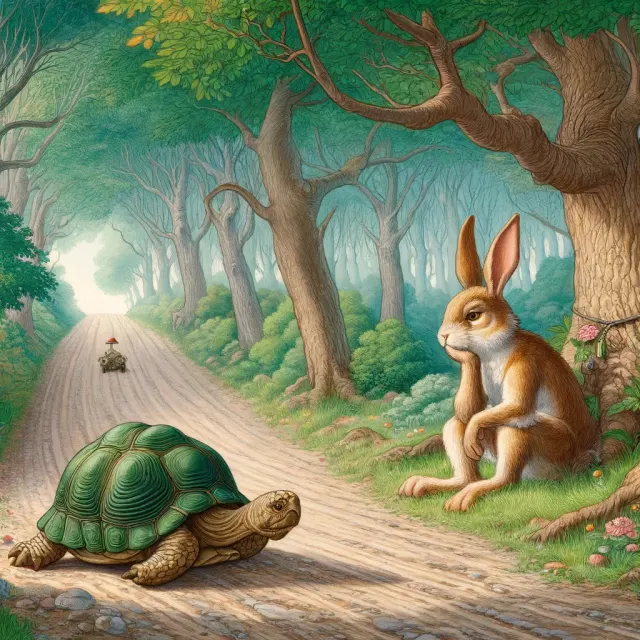
The Tortoise and the Hare
7 min
Ages 3–7 · Classic Tales
The Tortoise and the Hare
In a lush valley, the speedy Hare challenges the steady Tortoise to a race. Hare's confidence soars, while Tortoise…
 7 min
Ages 3–7 · Classic Tales
The Ugly Duckling
7 min
Ages 3–7 · Classic Tales
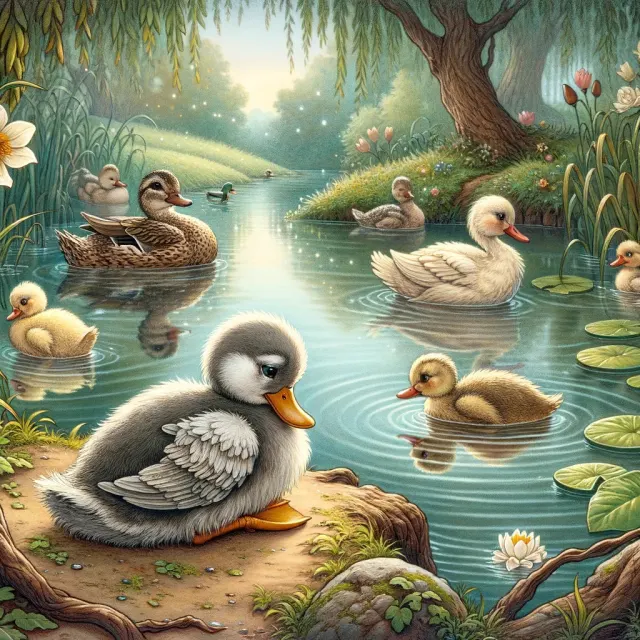
The Ugly Duckling
A mother duck hatches a clutch of ducklings, but one egg is unusually large. When it hatches, the grey, scruffy…
 15 min
Ages 4–8 · Magic
Snow White and the Seven Dwarves
15 min
Ages 4–8 · Magic
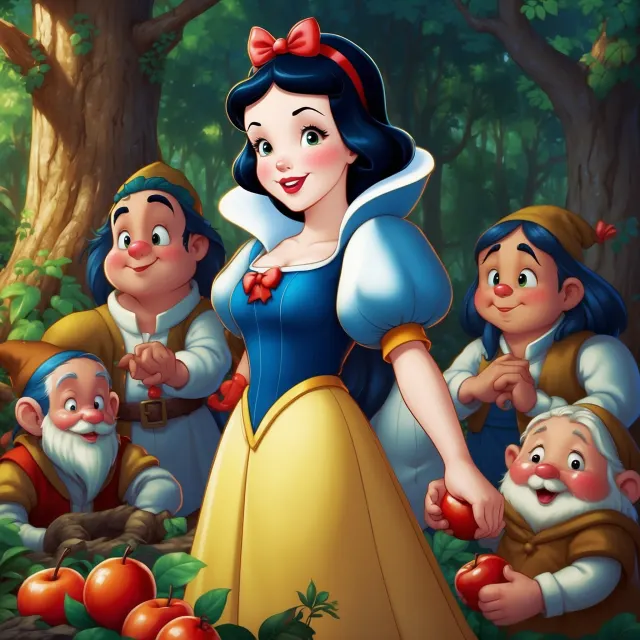
Snow White and the Seven Dwarves
Snow White, kind and gentle, lives in a magical forest, adored by all. Her wicked stepmother, the Queen, grows jealous…
 4 min
Ages 4–8 · Classic Tales
The Emperor’s New Clothes
4 min
Ages 4–8 · Classic Tales
The Emperor’s New Clothes
The Emperor loves new clothes and is very proud. Two clever weavers promise to make him a magical suit, invisible to…
 4 min
Ages 4–8 · Classic Tales
The Fox Without a Tail
4 min
Ages 4–8 · Classic Tales
The Fox Without a Tail
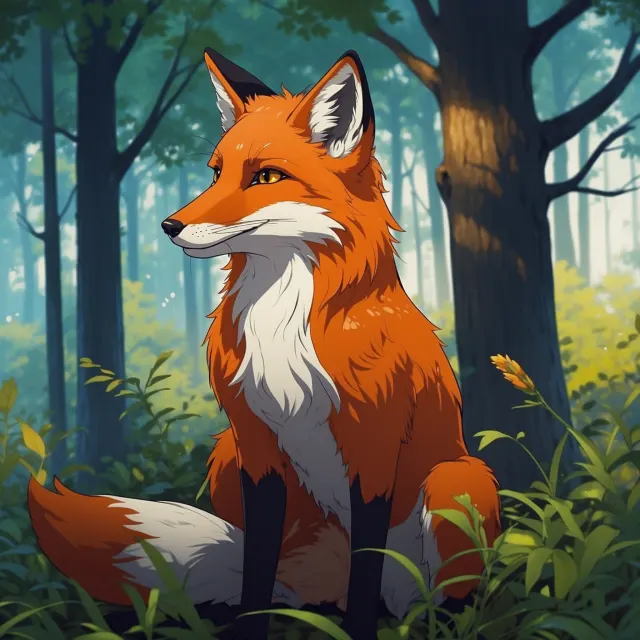
Fawkes the fox loves playing tricks, but one mischievous prank goes wrong, leaving him injured and full of regret. He…
 5 min
Ages 4–8 · Classic Tales
The Fox and the Crow
5 min
Ages 4–8 · Classic Tales
The Fox and the Crow
A proud crow loves to show off his brilliant red feathers and melodious voice. A cunning fox, always looking for an…
 5 min
Ages 3–7 · Classic Tales
The Heron
5 min
Ages 3–7 · Classic Tales
The Heron
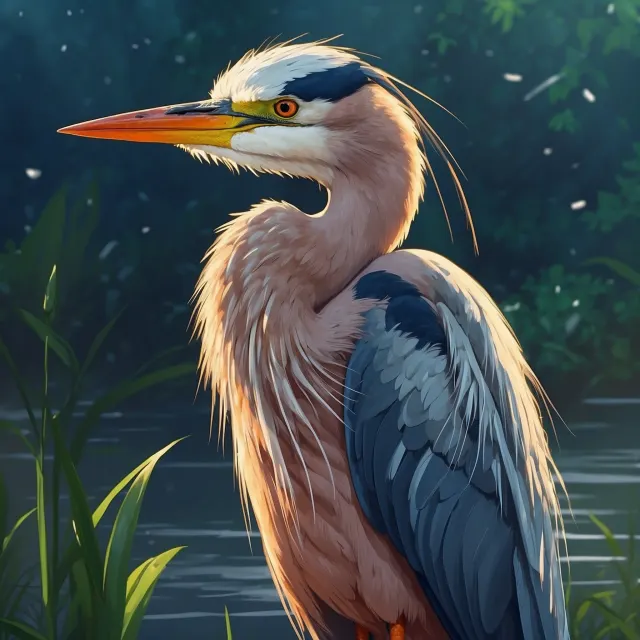
Herry the heron feels a rumbling hunger that fish can't satisfy. When Torty the tortoise offers a kind gesture, Herry…
 5 min
Ages 4–8 · Classic Tales
The Stag and His Reflection
5 min
Ages 4–8 · Classic Tales
The Stag and His Reflection
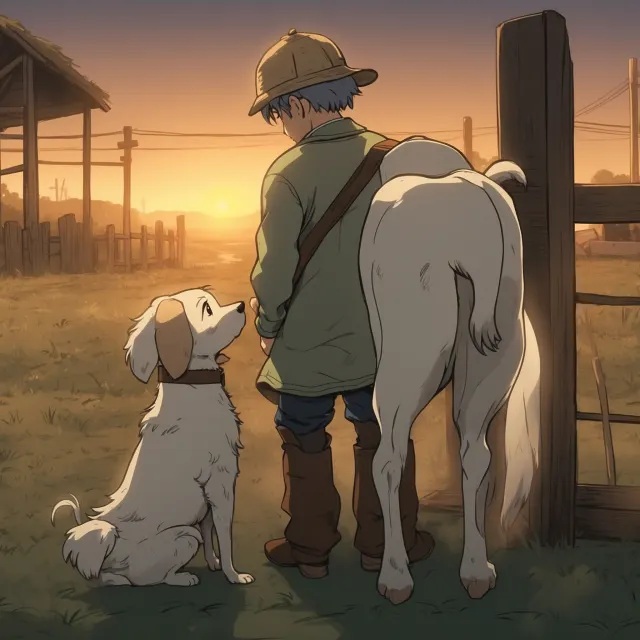
Thaddeus the magnificent stag is very proud of his shining antlers. He believes his beauty makes him superior to other…
 6 min
Ages 5–8 · Classic Tales
The Ass and the Lapdog
6 min
Ages 5–8 · Classic Tales
The Ass and the Lapdog
The strong Ass feels jealous of the small Lapdog's affection from the farmer. When the farmer faces a tough decision…
 6 min
Ages 3–7 · Classic Tales
The Astrologer Who Fell into a Well
6 min
Ages 3–7 · Classic Tales
The Astrologer Who Fell into a Well
Zephyr, a proud astrologer, boasts about his wisdom and skills. One day, admiring his reflection, he tumbles into a…
 6 min
Ages 4–8 · Classic Tales
The Eagle and the Arrow
6 min
Ages 4–8 · Classic Tales
The Eagle and the Arrow
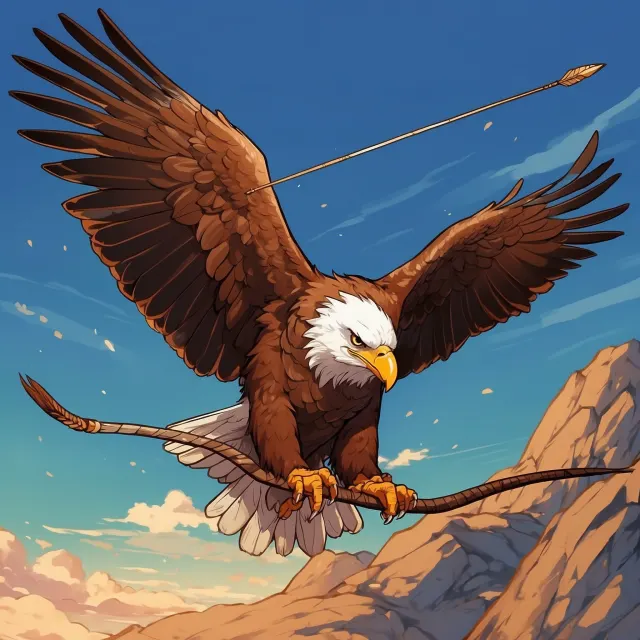
The proud Eagle, king of the birds, scoffs at a tiny arrow. But a wise Owl warns him of a challenge where strength…
The same race, told twice
It is worth saying plainly, because parents notice and wonder whether something has gone wrong with the site. The Hare and the Tortoise runs six minutes and The Tortoise and the Hare runs seven. Both are retellings of the same fable, traditionally credited to Aesop in the sixth century BC, and both suit ages three to seven.
The same thing happens with the frog who wants to be an ox: The Ox and the Frog and The Frog and the Ox are two tellings of one fable. Reading a pair on consecutive nights is one of the few ways to show a young child that a story is a thing somebody tells rather than a thing that simply exists.
Which of each pair to read first
Take the shorter one first in both cases. The second telling is more enjoyable when a child already knows how the race ends, because then they spend it watching the hare rather than waiting for the result.
Show-offs, and who punctures them
The classic pride story needs two characters: one who boasts and one who quietly does not. Aesop almost always gives the second role to somebody plainer.
The Vain Jackdaw borrows feathers and loses everything. The Peacock and the Crane sets beauty against usefulness in seven minutes for ages six to ten, and The Peacock and the Fox plays the same hand more gently. The Fox and the Crow is the one where being flattered is the weakness, which is a subtler lesson and worth pointing out.
The three-minute option
The Emperor’s New Clothes is the shortest story in this theme and still the best. Adapted from Hans Christian Andersen, it gives the only honest line to a child.
Being big is not the same as being strong
A quieter group argues about strength rather than beauty, and these tend to suit the child who has just discovered they are the tallest in the class.
The Oak and the Reeds is six minutes and the whole argument in one image: the tree that will not bend comes down. The Two Pots and The Fighting Bulls and the Frog both look at what large, careless creatures do to smaller ones nearby.
For a child who has just got good at something
The Hare and the Tortoise is the right story for the week a child first beats you at something, and The Heron at four minutes is the right one for the week after, when the winning has become a habit. Neither needs a word of explanation from you afterwards, and both are short enough to slot in after something longer has already been read.
Fables that let the boaster off
Not everything here ends in humiliation, and it is worth having one or two of the kinder ones to hand. A child who is currently the show-off in the room does not need forty minutes of people like them being punished.
The Fox and the Leopard ends in an admission rather than a fall. The Fox Without a Tail is four minutes and lets its fox apologise. The Lion and the Statue is really about who gets to tell the story, which is a thought an eight-year-old will chew on for days. The Ugly Duckling sits in this theme as well, and it is the only story here in which being looked at ends happily.
Pride is a branch of hardship and shares most of its cast with greed; the difference is that greed wants to have and pride wants to be seen. For the same fault told through characters rather than animals, try identity. If your child is taking to the fables themselves, our guide to Aesop and his fables explains where they came from and why the tortoise keeps winning.
Every pride story, A to Z
- Ali Baba and the Forty Thieves
- Mudjee Monedo
- Seven At One Blow
- Snow White and the Seven Dwarves
- The Ass and the Lapdog
- The Astrologer Who Fell into a Well
- The City Mouse and the Country Mouse
- The Cock and the Jewel
- The Crow and the Swan
- The Dragon of the North
- The Eagle and the Arrow
- The Emperor’s New Clothes
- The Fighting Bulls and the Frog
- The Fly and the Draught-Mule
- The Fox and the Crow
- The Fox and the Leopard
- The Fox and the Monkey
- The Fox Without a Tail
- The Frog and the Ox
- The Gingerbread Man
- The Hare and the Tortoise
- The Heifer and the Ox
- The Heron
- The Lion and the Statue
- The Lion, the Fox, and the Beasts
- The Man and the Wooden God
- The Milkmaid and Her Pail
- The Monkey and the Camel
- The Monkey as King
- The Oak and the Reeds
- The Ox and the Frog
- The Peacock and the Crane
- The Peacock and the Fox
- The Pot and the Kettle
- The Stag and His Reflection
- The Stag at the Pool
- The Tortoise and the Hare
- The Two Pots
- The Ugly Duckling
- The Vain Jackdaw
Questions parents ask about pride stories
Why are there two versions of The Tortoise and the Hare?
Both are retellings of the same Aesop fable, written separately for this site at six and seven minutes. Children often enjoy hearing the two on consecutive nights and spotting what changed.
What is the shortest story about boasting?
The Emperor's New Clothes at three minutes, adapted from Hans Christian Andersen. It is also the one children quote back at adults most often.
Which pride story suits a six-year-old?
The Oak and the Reeds at six minutes, or The Peacock and the Crane at seven if they are closer to eight. Both make their point without anybody being badly humiliated.
Are pride and greed the same theme?
They share many of the same fables but not the same fault. Greed is about wanting to own more; pride is about wanting to be admired. The Fox and the Crow sits in both.