
4 stories
Hans Christian Andersen tales
The Danish storyteller who wrote the saddest and kindest fairy tales
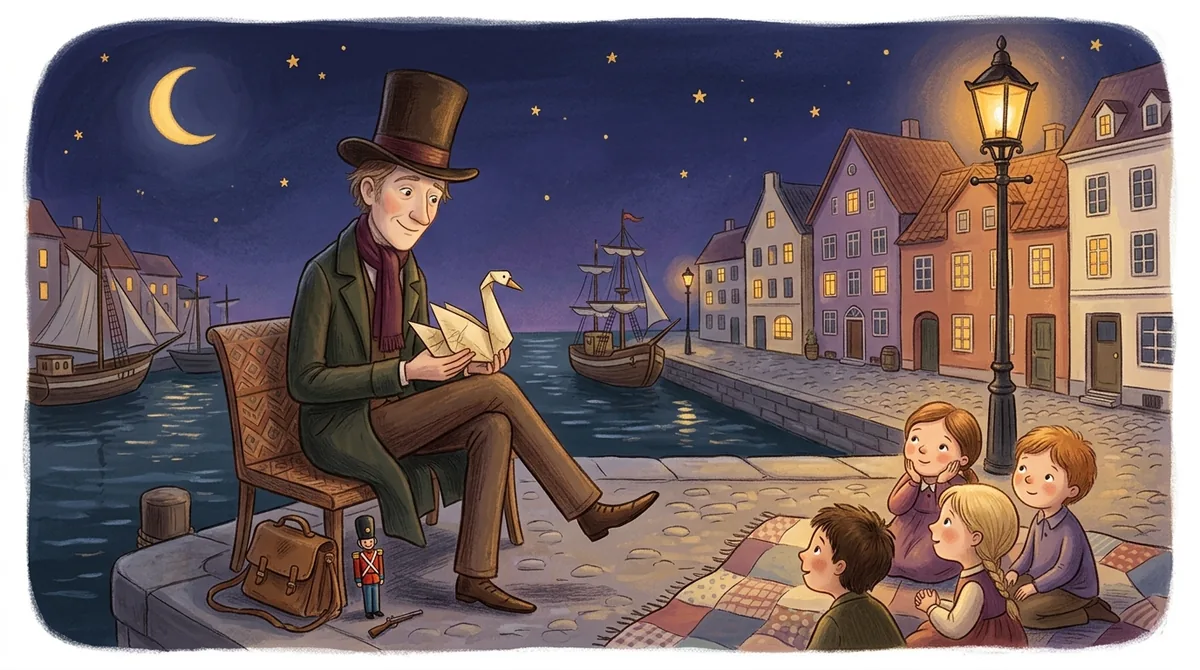
Hans Christian Andersen (1805–1875) was born in Odense, Denmark, and published his first fairy tales in 1835. Four of his tales are adapted on this site, running from three to seven minutes.
Andersen wrote his own fairy tales rather than collecting them, and they are unmistakable: tender, a little melancholy, and full of small characters with enormous feelings. Several here are retold gently for younger listeners. The ugly duckling, the tin soldier, the fir tree and the nightingale all live here. Andersen's endings are not always happy, and the reading guide for each story says whether the tale has been softened and how, so you can choose the version that suits tonight.
Where to start with hans christian andersen tales
 6 min
Ages 3–7 · Classic Tales
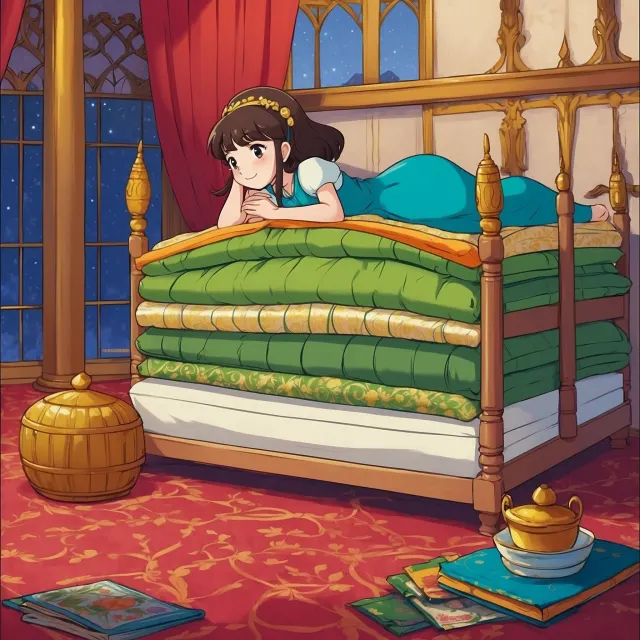
The Princess and the Pea
6 min
Ages 3–7 · Classic Tales
The Princess and the Pea
A lonely Prince yearns for a true princess, but two grand ladies fail to impress him. Then, on a stormy night, a…
 7 min
Ages 3–7 · Classic Tales
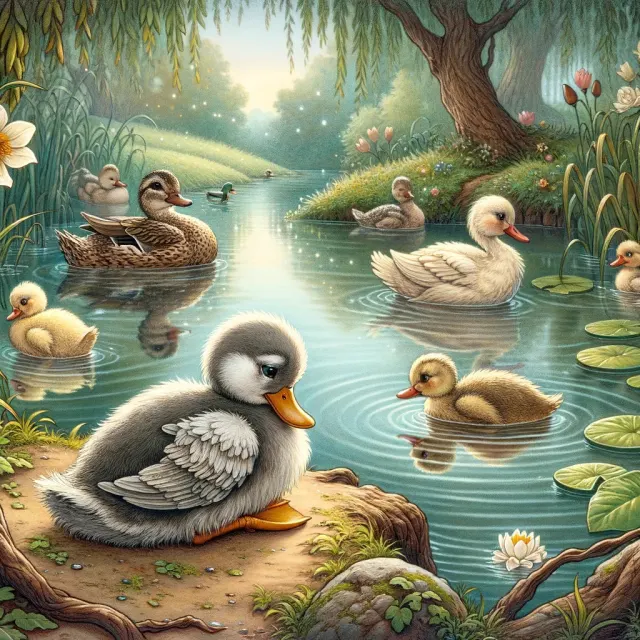
The Ugly Duckling
7 min
Ages 3–7 · Classic Tales
The Ugly Duckling
A mother duck hatches a clutch of ducklings, but one egg is unusually large. When it hatches, the grey, scruffy…
 4 min
Ages 4–8 · Classic Tales
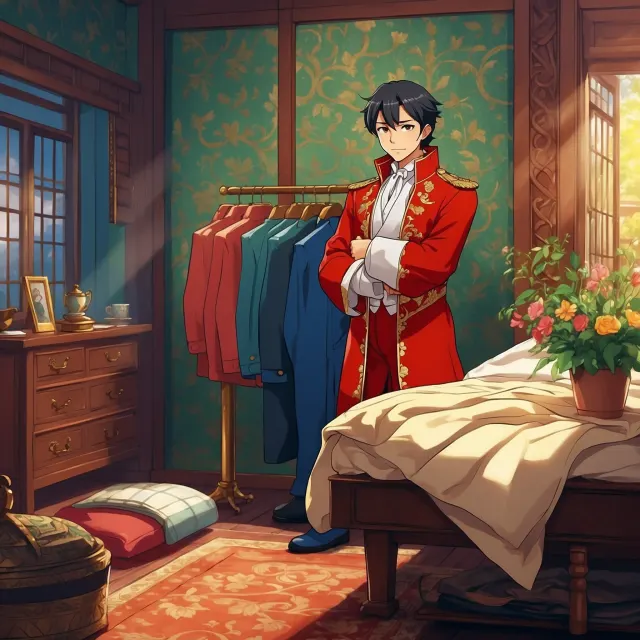
The Emperor’s New Clothes
4 min
Ages 4–8 · Classic Tales
The Emperor’s New Clothes
The Emperor loves new clothes and is very proud. Two clever weavers promise to make him a magical suit, invisible to…
 13 min
Ages 4–8 · Classic Tales
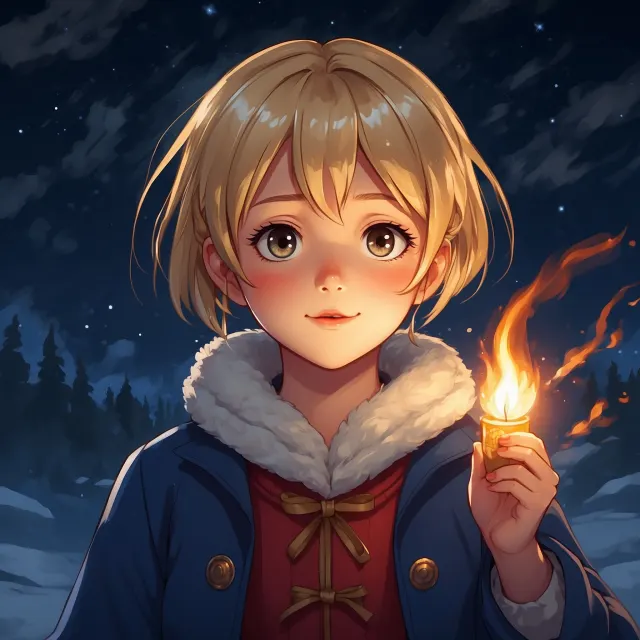
The Little Match Girl
13 min
Ages 4–8 · Classic Tales
The Little Match Girl
A determined orphan girl braves a bitterly cold winter's eve, hoping to sell matches for a warm meal. When despair sets…
Odense, 1805, and a shoemaker’s son who wrote the tales down
Andersen was born in Odense in 1805, the son of a shoemaker, and died in 1875. Unlike the Brothers Grimm, who collected what other people told, Andersen wrote his own. His first small booklet of fairy tales appeared in 1835 and he kept producing them for most of the next forty years.
That difference shows in the stories. They have an author's interest in one particular character's feelings, and they are willing to end unhappily, which folk tales usually are not. Our guide to Andersen’s life and stories goes through the biography and the best known tales.
The four tales here, in the order to read them
Four is a small collection, so an order is more useful than a description.
Start with the funny one
The Emperor’s New Clothes is three minutes, ages 4–8, and the only Andersen tale on the site marked funny. A child understands the joke immediately and remembers it for life, which makes it the best introduction to his work.
Then the two about being yourself
The Ugly Duckling takes seven minutes for ages 3–7 and is the one children ask for again. The Princess and the Pea is six gentle minutes and is much lighter than it looks, essentially a joke about how thoroughly someone can be tested.
Leave this one until last
The Little Match Girl is six minutes and is genuinely sad. Read it when your child is older, not last thing at night, and not on a difficult evening.
Sad endings, and whether to soften them
The versions on this site are adaptations rather than translations. The vocabulary and sentence length are pitched at the listed age range, and The Little Match Girl in particular is handled with more comfort than Andersen's 1845 original. Everything else about the tales, including what actually happens, is his.
Whether to soften further while reading is a judgement about your own child. A sad ending that is talked about afterwards is usually fine; a sad ending at lights-out with no conversation is what causes the 11pm visit. If you want the story without the sadness tonight, The Wild Swans, a nine-minute Andersen adaptation for ages 6–10 in brothers and sisters stories, carries the same feeling but ends well.
For the German side of the same shelf, Brothers Grimm tales holds seven more, and classic stories gathers the best known tales on the site in one place.
Collections that share these stories
Ranked by how many stories they have in common with this one.
Questions about hans christian andersen tales
When did Hans Christian Andersen live?
He was born in Odense, Denmark, in 1805 and died in 1875. His first collection of fairy tales was published in 1835.
Did Andersen write his own fairy tales or collect them?
He wrote his own. That sets him apart from the Brothers Grimm, who collected and edited tales that were already being told.
Which Andersen story should I read first?
The Emperor's New Clothes. At three minutes it is the shortest and the funniest, and children of four and up get the joke straight away.
Are these the original Andersen texts?
No. They are adaptations written for reading aloud, with the vocabulary and pacing pitched at the age range shown on each story.