
Story collections
Stories gathered the way children ask for them: a princess one, a dragon one, a funny one, a sleepy one. Plus every theme, age and length, on one page.
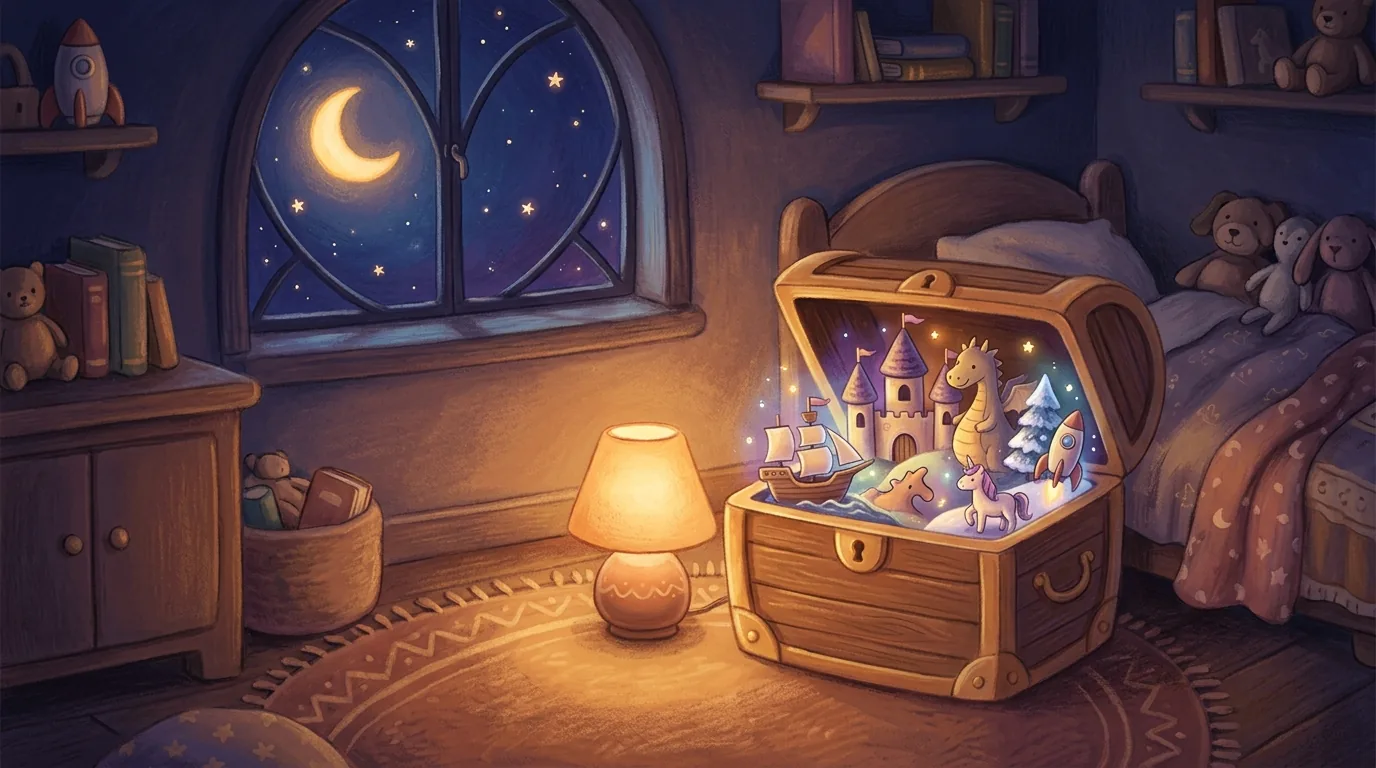
A collection groups stories by what is in them, the way a child asks: a dragon one, a princess one, a funny one. A theme groups them by what they are about, such as kindness or bravery. Most stories appear in both, so the two are different routes to the same library rather than rival lists.
Questions about how the stories are grouped
What is the difference between a collection and a theme?
A collection is defined by what appears in the story: dragons, princesses, the sea, Christmas. A theme is defined by what the story means: kindness, courage, greed. A story about a dragon who learns to share sits in the dragon collection and the kindness theme.
Why do some collections have only one or two stories?
Because that is how many the library holds on that subject so far. Small collections are kept out of search results until they have at least four stories, but they still have a page, and it describes the stories it does have.
Can one story be in several collections?
Yes, and most are. A sea story with a talking seal is in both the sea and animal collections. Each story page lists every collection and theme it belongs to at the foot of the tale.
Collections
Each collection has its own introduction, its own advice on which story to read first, and every story it holds.
What children ask for by name
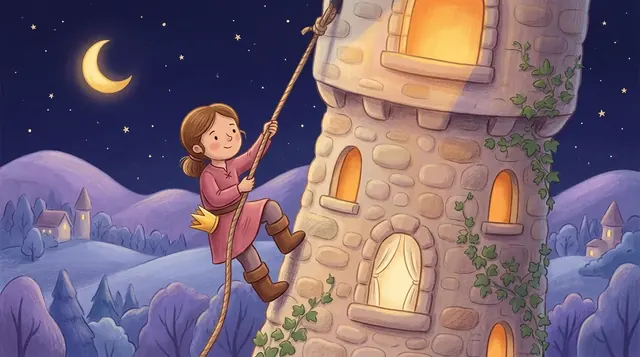
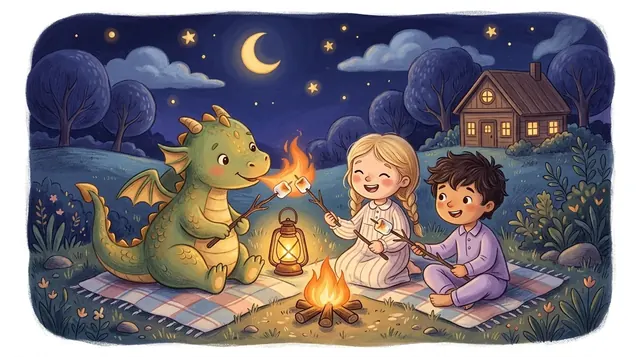
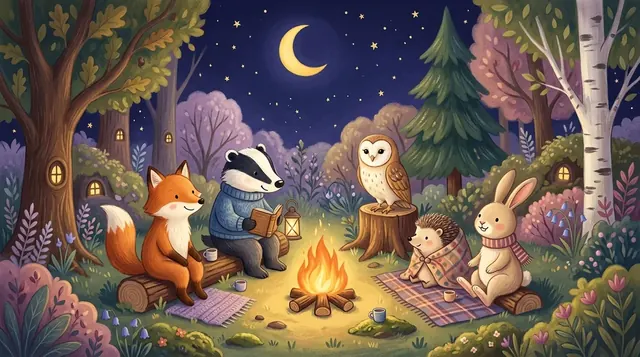
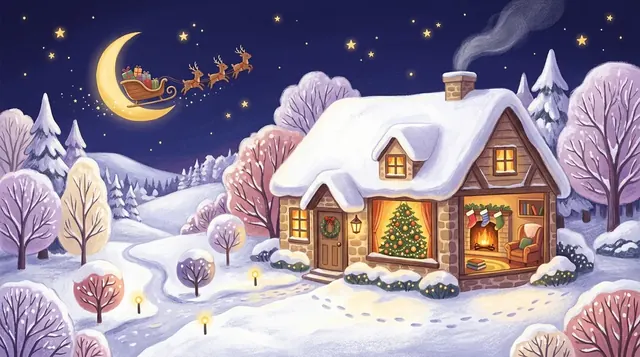
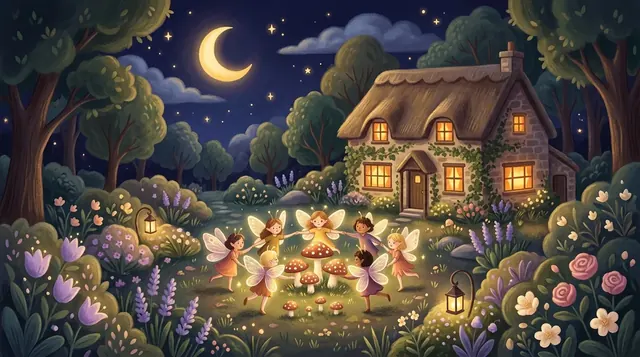
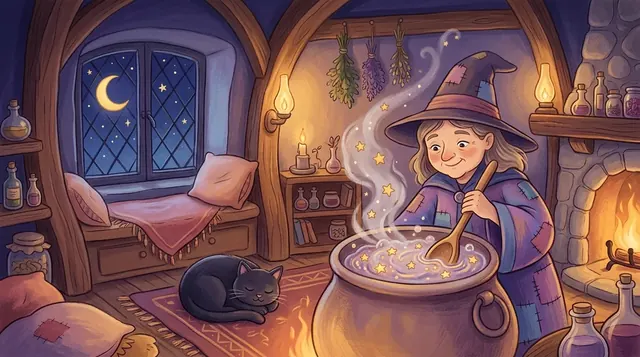
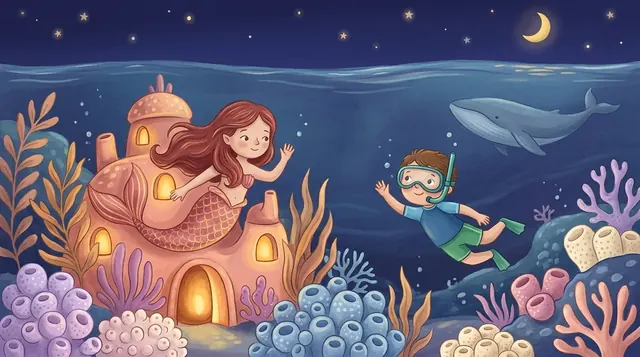
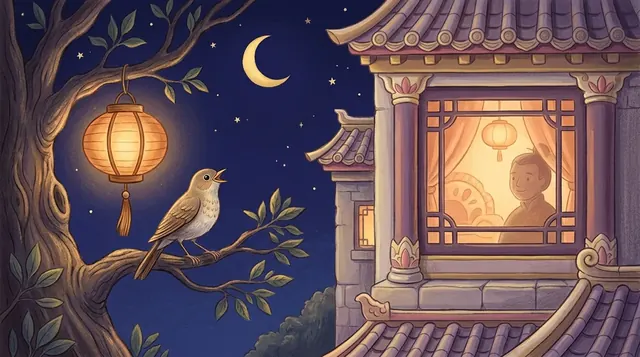
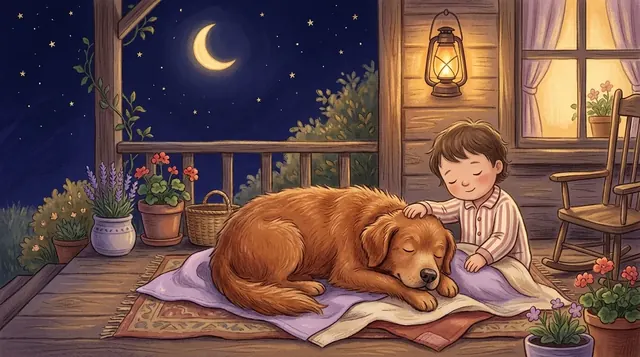
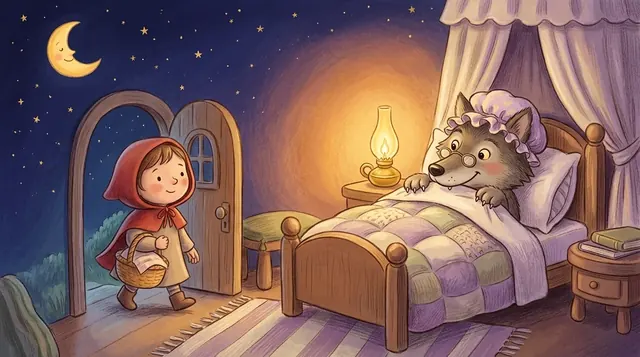
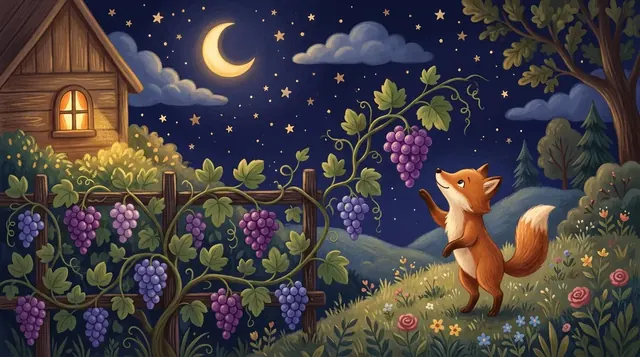
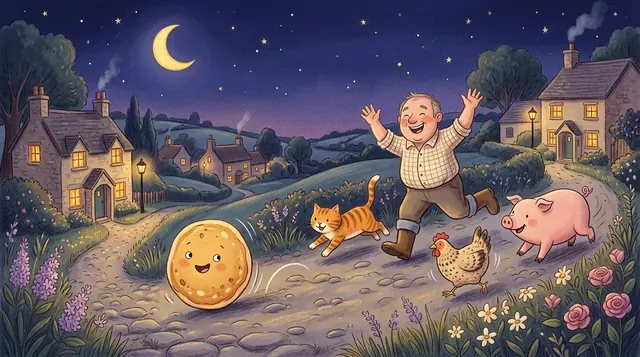
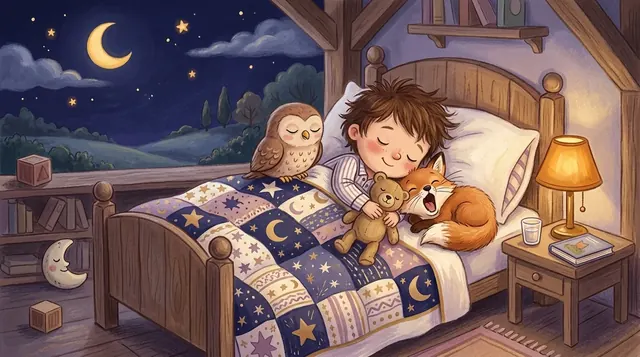
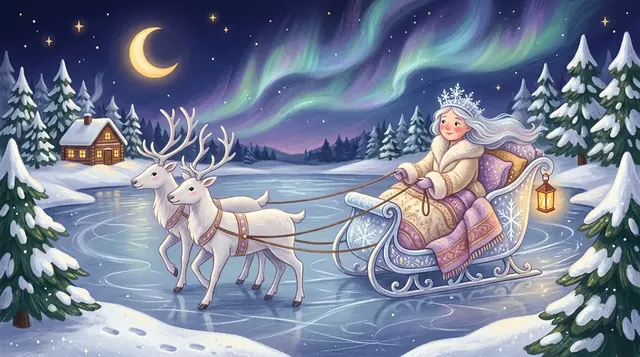
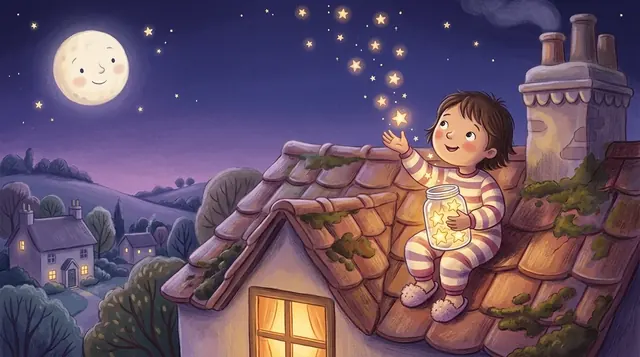
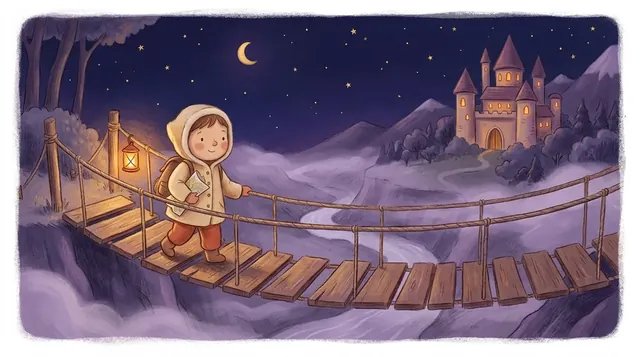
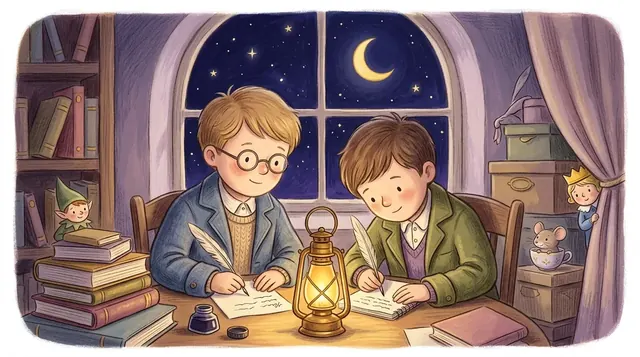
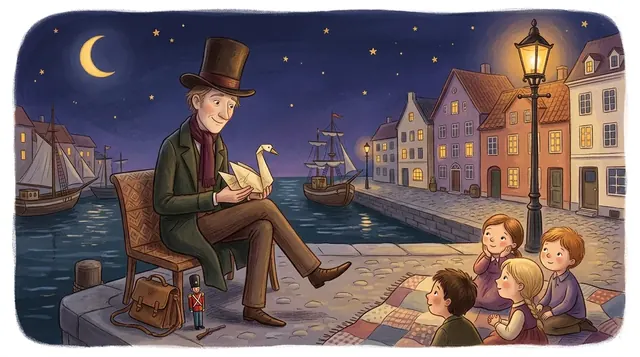
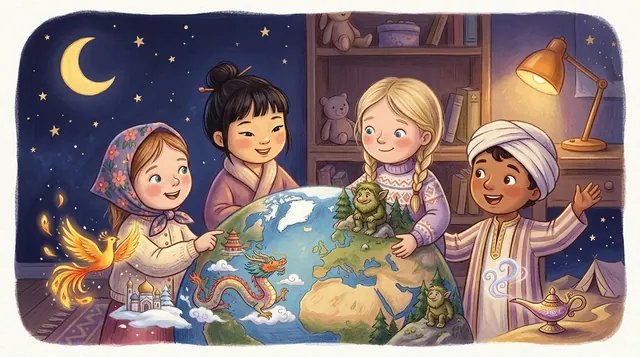
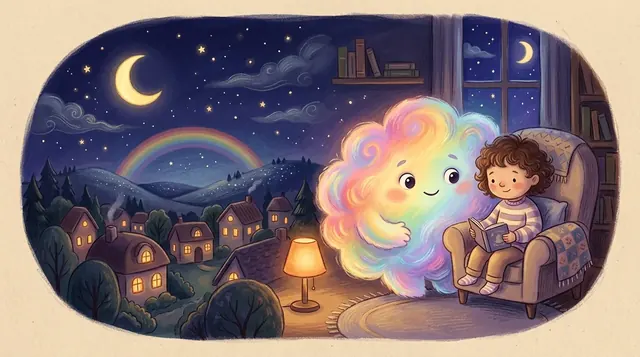 Stories about big feelingsSad, scared, jealous, cross: stories that name the feeling and let it pass
166
Stories about big feelingsSad, scared, jealous, cross: stories that name the feeling and let it pass
166
Smaller collections, still growing
A handful of stories each for now. They have a page apiece, with notes on the stories they do hold.
By age
Every story carries a suggested age range, and the ranges overlap, so a story can sit in more than one group.
Four stages, from first words to last bedtime story
 Toddlers · 1–3Short, rhythmic and repetitive: rhymes, animals and gentle surprises
 Preschoolers · 3–5Clear heroes, gentle magic, a problem and a happy ending
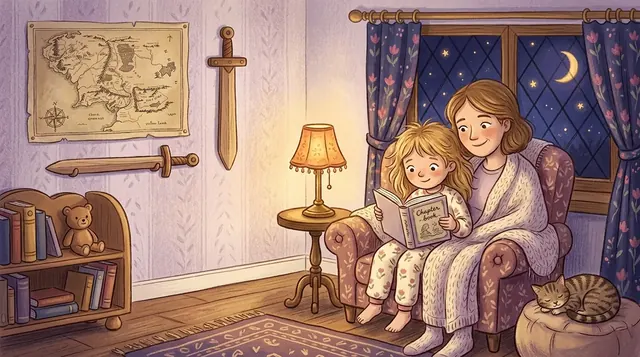 Early readers · 5–8Longer adventures, cleverer heroes, and morals worth talking about
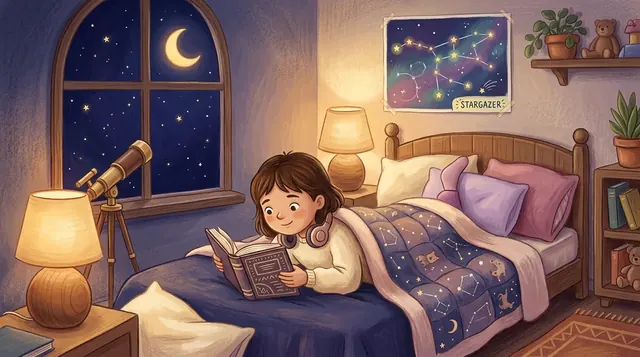 Big kids · 8–12Rich language, longer tales, and stories that reward thinking
By reading time
Times are measured at a read-aloud pace of about 130 words a minute, not a silent skim.
Pick the list that fits the evening you have
 5-minute storiesComplete stories you can finish before the yawns win
 10-minute storiesThe classic bedtime length: room for an adventure and a calm landing
 Long storiesThe longest tales, in chapters, to read over one long evening or several short ones
By theme
What the story is really about: the six parent themes and the sub-themes inside them.