
92 stories
Bedtime stories for toddlers (ages 1–3)
Short, rhythmic and repetitive: rhymes, animals and gentle surprises
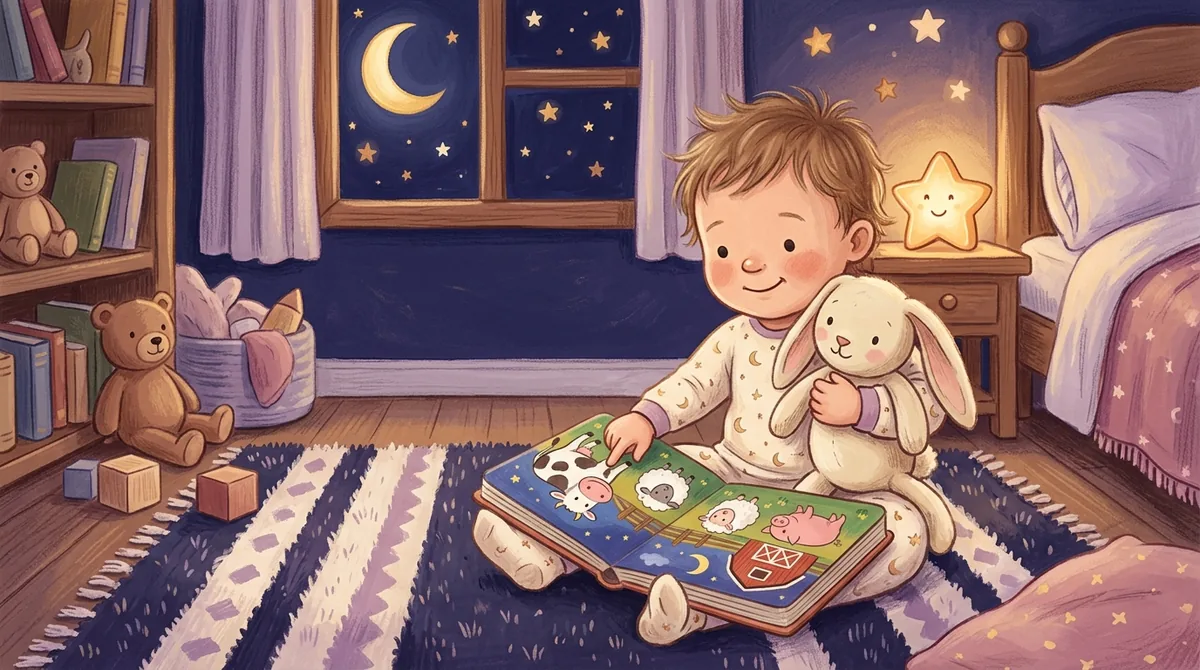
This page starts with 12 genuine one- and two-minute nursery rhymes labelled Ages 1–3. Longer tales whose range begins at three follow for children ready to move from rhythm and repetition into plot.
At one to three, a story is a sound before it is a plot. Toddlers want rhythm, repetition and a picture to point at, and they will happily hear the same short verse every night for a month. The page begins with twelve genuine one- and two-minute rhymes labelled ages one to three; the longer tales below them are next steps for children approaching preschool.
Where to start with toddlers
12 of 92 to start with. The full list follows.
 1 min
Ages 1–3 · Nursery Rhymes
Baa, Baa, Black Sheep
1 min
Ages 1–3 · Nursery Rhymes
Baa, Baa, Black Sheep
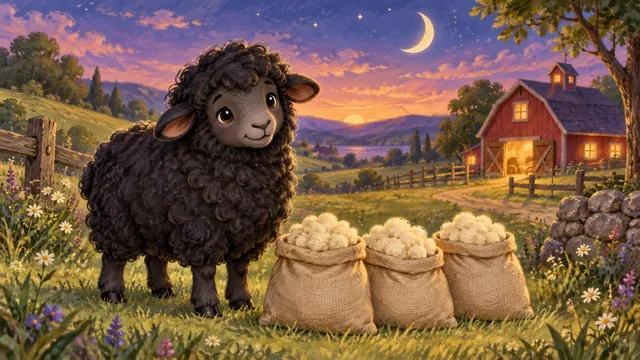
A friendly black sheep has three full bags of wool to share. The animal sound, simple question and counting pattern…
 1 min
Ages 1–3 · Nursery Rhymes
Hey Diddle Diddle
1 min
Ages 1–3 · Nursery Rhymes
Hey Diddle Diddle
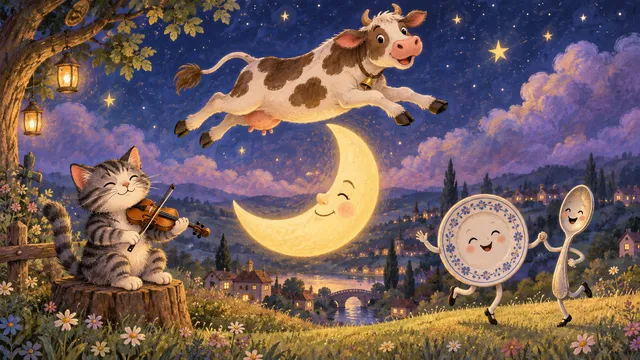
A fiddling cat, a moon-jumping cow and runaway crockery begin the familiar nonsense, followed by new verses that yawn…
 1 min
Ages 1–3 · Nursery Rhymes
Hickory Dickory Dock
1 min
Ages 1–3 · Nursery Rhymes
Hickory Dickory Dock
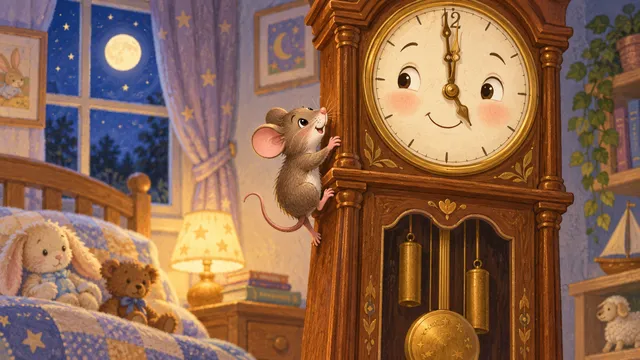
A tiny mouse races up a tall clock, hears it strike one and scampers straight back down. The tick-tock beat makes this…
 1 min
Ages 1–3 · Nursery Rhymes
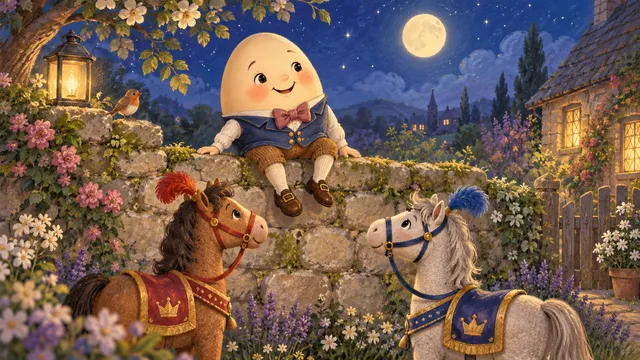
Humpty Dumpty
1 min
Ages 1–3 · Nursery Rhymes
Humpty Dumpty
Humpty Dumpty takes his famous tumble in the four traditional lines, then neighbours gather the pieces in a gentle new…
 1 min
Ages 1–3 · Nursery Rhymes
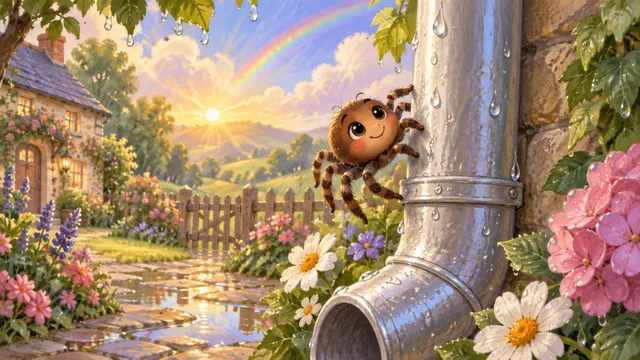
Incy Wincy Spider
1 min
Ages 1–3 · Nursery Rhymes
Incy Wincy Spider
A tiny spider climbs, gets washed down by rain and starts all over when the sunshine returns. The hand actions and…
 1 min
Ages 1–3 · Nursery Rhymes
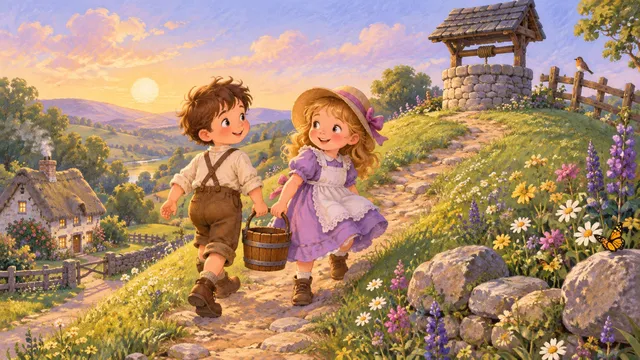
Jack and Jill
1 min
Ages 1–3 · Nursery Rhymes
Jack and Jill
Jack and Jill climb a hill for water, take a tumble and hurry safely home. The strong rhymes and clear actions make…
 1 min
Ages 1–3 · Nursery Rhymes
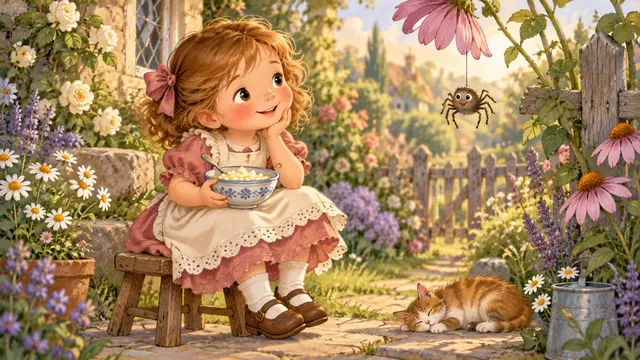
Little Miss Muffet
1 min
Ages 1–3 · Nursery Rhymes
Little Miss Muffet
Miss Muffet's snack is interrupted by a spider in the traditional verse, then two new playful verses reveal that the…
 1 min
Ages 1–3 · Nursery Rhymes
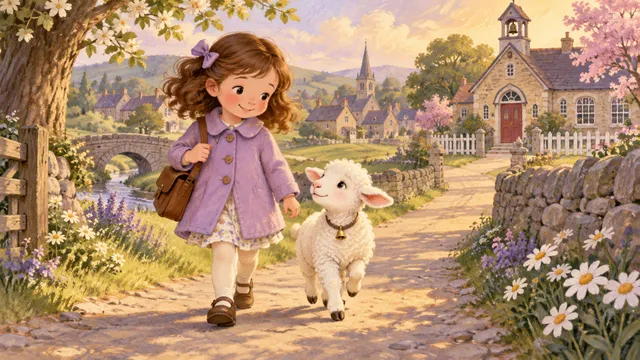
Mary Had a Little Lamb
1 min
Ages 1–3 · Nursery Rhymes
Mary Had a Little Lamb
Mary's loyal little lamb follows her all the way to school, where it makes the children laugh. The rhyme has a clear…
 1 min
Ages 1–3 · Nursery Rhymes
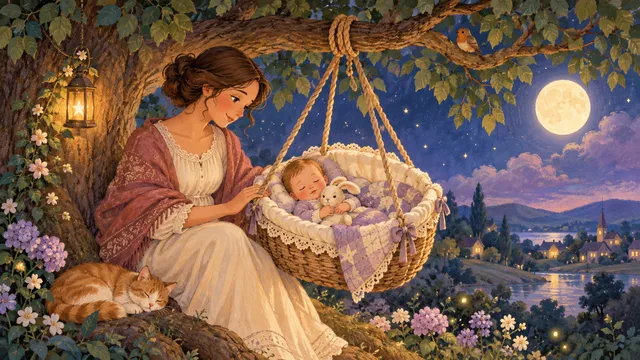
Rock-a-bye Baby
1 min
Ages 1–3 · Nursery Rhymes
Rock-a-bye Baby
A cradle rocks softly beneath a moonlit tree while a parent keeps watch nearby. This gentle bedtime version keeps the…
 1 min
Ages 1–3 · Nursery Rhymes
Row, Row, Row Your Boat
1 min
Ages 1–3 · Nursery Rhymes
Row, Row, Row Your Boat
A little boat drifts down a stream in the familiar round, then continues beneath stars and past the willows in two new…
 1 min
Ages 1–3 · Nursery Rhymes
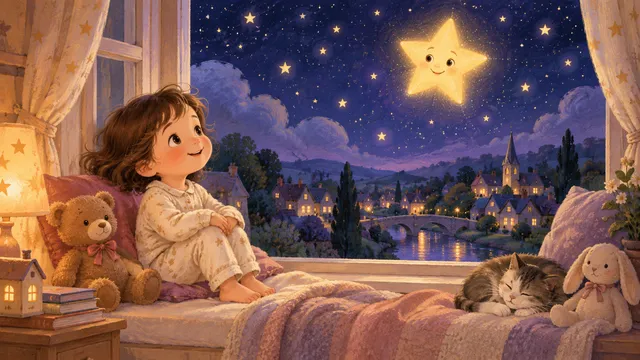
Twinkle, Twinkle, Little Star
1 min
Ages 1–3 · Nursery Rhymes
Twinkle, Twinkle, Little Star
A little star shines above the sleeping world, guiding travellers with its tiny light. This familiar, slow rhyme is…
 2 min
Ages 1–3 · Nursery Rhymes
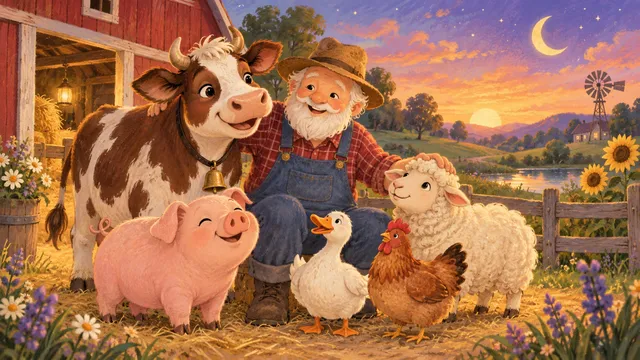
Old MacDonald Had a Farm
2 min
Ages 1–3 · Nursery Rhymes
Old MacDonald Had a Farm
Old MacDonald's cow, duck, pig, sheep, hen and horse each add a new sound to the farm. Children can join in before they…
What a toddler can actually hold on to in a story
A toddler is not following a plot. They are following your voice, the pictures, and the one thing that keeps happening. That is why a tale that seems thin to an adult can hold a two-year-old completely, and why a cleverly constructed story with three characters and a twist loses them by the second page.
Rhythm carries them further than plot
A repeated line does most of the work at this age. Twinkle, Twinkle, Little Star returns to its opening, while Old MacDonald Had a Farm hands every animal sound to the listener. Both are worth learning well enough to say without looking down.
One thing happening, to one creature
The rhymes that work before three have one visible action: a mouse climbs a clock, a spider climbs a spout, or a boat moves down a stream. Hickory Dickory Dock contains exactly one event and a beat a toddler can tap. If you cannot describe it in one sentence, it is probably too much for tonight.
Start with the cards marked ages 1 to 3
The first twelve cards are the actual toddler shelf: one- and two-minute rhymes written in verse, each labelled Ages 1–3. They are not summaries, expanded fairy tales or prose stories placed under a convenient category name.
The complete list also includes stories marked Ages 3–7 because three sits at the boundary between toddler and preschool listening. Treat those as the next step, not as substitutes for the short rhymes. A child who can follow Little Red Hen or The Gingerbread Man is ready to move beyond the rhyme shelf.
Where to start tonight, and what to keep for next month
For settling, start with Row, Row, Row Your Boat or Twinkle, Twinkle, Little Star. For a child who needs to move, use the finger actions in Incy Wincy Spider. For animal noises, use Baa, Baa, Black Sheep or Old MacDonald Had a Farm.
Nearer three, try one longer tale after the requested rhyme. Little Red Hen has the repeated question-and-answer pattern toddlers already know, while Goldilocks and The Three Bears repeats three sizes of everything. There is no need to replace the rhyme; add the new story after it.
The same story for thirty nights running
Toddlers latch on to one tale and refuse all substitutes, sometimes for weeks. This is not a rut to be broken. Hearing the same words in the same order is how a small child learns what a sentence sounds like before they can build one, and the predictability is part of what makes the story settle them; our guide on reading the same story every night goes into what is happening and when it is worth nudging.
If you do want to widen things, the trick is to add rather than swap. Read the requested story first, then offer one new short tale afterwards as a bonus, on the understanding that the favourite comes back tomorrow. The five-minute stories are the right size for that second slot, and the gentle sleepy stories are the right mood.
Two other places worth knowing: the farm stories give you animals to make noises for, which is the whole entertainment at this age, and our toddler bedtime routine guide covers the part of the evening that happens before the book comes out, which is usually where the trouble starts.
Reading to a toddler who will not sit still
Sitting quietly through a story is a skill, not a starting condition, and a great many perfectly attentive two-year-olds take it in while circling the room. Do not stop reading to fetch them back.
Let them move
A toddler who is wandering is usually still listening, and will prove it by objecting if you skip a line. Keep going in the same voice; they tend to drift back at the bit they like. Reading in the same place at the same point in the evening does more to settle a wriggler than any amount of insisting.
Give the story something to do
The tales that hold a busy toddler are the ones with a job in them. The Tortoise and the Ducks has a creature who wants to fly and something to point at on every page, and The Three Dwarfs gives you three of everything to count. Ask them to make the noise, find the animal, or say the repeated line, and the listening happens by itself.
| Around 1 | Around 2 | Around 3 | |
|---|---|---|---|
| Will sit for | 1-2 minutes | 3-4 minutes | 5 minutes or so |
| Wants | Your voice and a picture | The same book again | To choose the book |
| Joins in by | Patting the page | Saying the last word | Finishing whole lines |
| Loses them | Any second character | A gap with no picture | A slow start |
| Best story here | Twinkle, Twinkle | Incy Wincy Spider | Little Red Hen |
Every story suggested for ages 1–3, A to Z
- Baa, Baa, Black Sheep
- Hey Diddle Diddle
- Hickory Dickory Dock
- Humpty Dumpty
- Incy Wincy Spider
- Jack and Jill
- Little Miss Muffet
- Mary Had a Little Lamb
- Rock-a-bye Baby
- Row, Row, Row Your Boat
- Twinkle, Twinkle, Little Star
- Old MacDonald Had a Farm
- The Two Soldiers and the Robber
- Goldilocks and The Three Bears
- Little Red Riding Hood (A Gentler Retelling)
- The Bow and the Lyre
- The Crow and the Pitcher
- The Farmer and the Fox
- The Grasshopper and the Ants
- The North Wind and the Sun
- Jimmy Scarecrow’s Christmas
- Little Red Hen
- The Anxious Leaf
- The Butterfly
- The Dog and the Cook
- The Dog and the Shadow
- The Farmer and the Cranes
- The Farmer and the Stork
- The Fir Tree
- The Friendly Frog
- The Heron
- The Nodding Tiger
- The Peasant and the Apple Tree
- The Shepherd and the Sea
- The Snow Man
- The Three Dwarfs
- The Water Lily and The Gold-Spinners
- Whatever Happened to the Pea?
- Little Girl’s Christmas
- The Astrologer Who Fell into a Well
- The Bald Man and the Fly
- The Bull and the Goat
- The Cat and the Mice
- The Cat Who Could Eat So Much
- The Clown and the Countryman
- The Enormous Turnip
- The Farmer and the Snake
- The Goat and the Vine
- The Goose that Laid the Golden Eggs
- The Hare and the Tortoise
- The Heifer and the Ox
- The Mischievous Dog
- The Moon-Cake
- The Old Woman and the Doctor
- The Ox and the Frog
- The Picky Prince, the Princess and the Peanut
- The Princess and the Pea
- The Tortoise and the Ducks
- Grandmother
- Little Blue Riding Hood
- Santa Never Forgets!
- The Bundle of Sticks
- The Fly and the Draught-Mule
- The Fox and the Stork
- The Frog and the Ox
- The Gingerbread Man
- The Hare with Many Friends
- The Pot and the Kettle
- The Six Sillies
- The Three Billy Goats Gruff
- The Tortoise and the Hare
- The Ugly Duckling
- Together We Are Good: The Day the Little Helpers Saved the Town
- Twinkling Feet’s Halloween
- Goldilocks and the FOUR Bears!
- Henny Penny
- Huffy Puffy Wolf
- My Sea Beast and the Bubble Garden Adventure
- Starlit Quest for the Cosmic Petal
- The Ass and His Shadows
- The Birds, the Beasts, and the Bat
- The City Mouse and the Country Mouse
- The Lion and the Mouse
- The One-Eyed Doe
- The Stag at the Pool
- The Stars in the Sky
- Hey Diddle Diddle, Little Red Hen
- The Princess Mayblossom
- Goody Two Shoes
- Sunshine Stories
- The Elves and the Shoemaker
- The Fair With Golden Hair
Questions about reading to toddlers
How long should a bedtime story be for a 2 year old?
Start with one minute: roughly 20 to 100 words with a strong rhythm or repeated line. If they are still engaged at the end, repeat it or read a second short rhyme rather than stretching one story.
Why are some stories here labelled 'ages 3 to 7'?
Three is the boundary between the toddler and preschool lists, so those longer stories are included for children nearing three. The first twelve cards are the dedicated ages one to three shelf.
Is it bad that my toddler wants the same story every night?
No. Repetition is how toddlers learn sentence patterns and predict what comes next, and the familiarity is part of what makes a story calming at bedtime. Most children move on by themselves.
What kind of bedtime story settles a toddler fastest?
A short animal story with a repeated line and a quiet ending. Stories where somebody goes to sleep, gets warm or gets home work better than stories with a chase in them, however funny the chase is.
Can a one-year-old understand a bedtime story?
Not the plot, but they understand the ritual, the rhythm and your tone of voice, all of which matter more at that age. Choose the shortest stories and expect to be interrupted by page-turning.