
23 stories · part of Classic Tales
Rhyming Stories & Poems stories
Stories with a beat: verse that carries a listener to the end
These 23 stories are told in verse rather than prose, so the rhythm carries a listener from line to line. They run from three to eleven minutes and are the easiest stories on the site to read aloud well, because the beat does most of the work.
Rhyme is a hand on a child's back, steering them through a story. A rhyming tale tells a listener when a line is about to end, when a joke is coming, and when it is time to breathe, which is why children who fidget through prose will sit still for verse.
These story-poems range from four-line verses to long narrative poems with proper plots. Read them a little slower than feels natural and let the rhymes land; children like to finish the line for you once they know it.
Where to start in rhyming stories & poems
12 of the 23 stories in this theme, picked as good first choices: the shortest, the gentlest and the best loved.
 4 min
Ages 4–8 · Rhyming Stories & Poems
A Christmas Star
4 min
Ages 4–8 · Rhyming Stories & Poems
A Christmas Star
Timmy, a curious boy, loves gazing at the stars. One snowy night, he spots a new, golden star shining brightly above…
 4 min
Ages 6–10 · Rhyming Stories & Poems
The Raven
4 min
Ages 6–10 · Rhyming Stories & Poems
The Raven
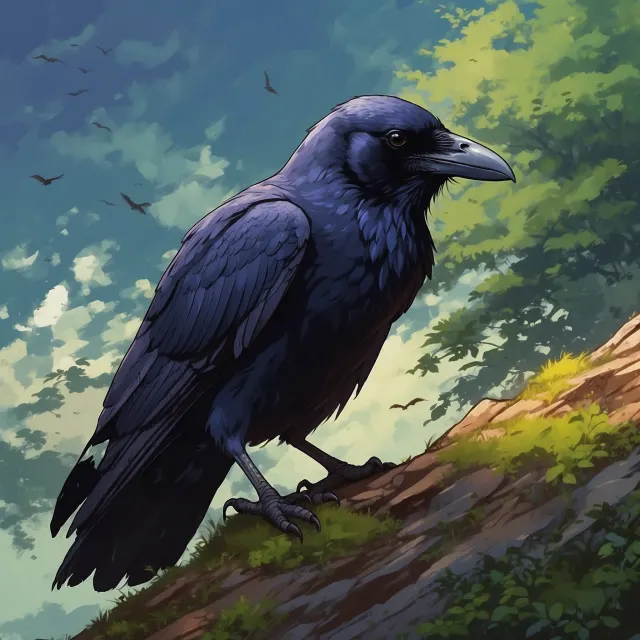
Young Edgar sits by the fire when a raven, Quasimodo, arrives with a mysterious message: "Nevermore." Quasimodo shares…
 5 min
Ages 3–7 · Magic
The Anxious Leaf
5 min
Ages 3–7 · Magic
The Anxious Leaf
Luna, a beautiful red leaf, is always anxious and fearful, longing to dance in the wind but held back by her worries. A…
 5 min
Ages 3–7 · Rhyming Stories & Poems
The Butterfly
5 min
Ages 3–7 · Rhyming Stories & Poems
The Butterfly
Blu, a curious blue caterpillar, loves exploring the peaceful forest. One day, he feels a call to change and spins a…
 5 min
Ages 3–7 · Rhyming Stories & Poems
The Snow Man
5 min
Ages 3–7 · Rhyming Stories & Poems
The Snow Man
In a snowy village, children build a magical snowman who comes to life. He promises to protect the village during…
 5 min
Ages 3–7 · Rhyming Stories & Poems
Whatever Happened to the Pea?
5 min
Ages 3–7 · Rhyming Stories & Poems
Whatever Happened to the Pea?
A tiny, ordinary pea in a lush garden is plucked by a curious boy. Its unique flavour sparks an idea, leading the…
 6 min
Ages 3–7 · Rhyming Stories & Poems
The Cat Who Could Eat So Much
6 min
Ages 3–7 · Rhyming Stories & Poems
The Cat Who Could Eat So Much
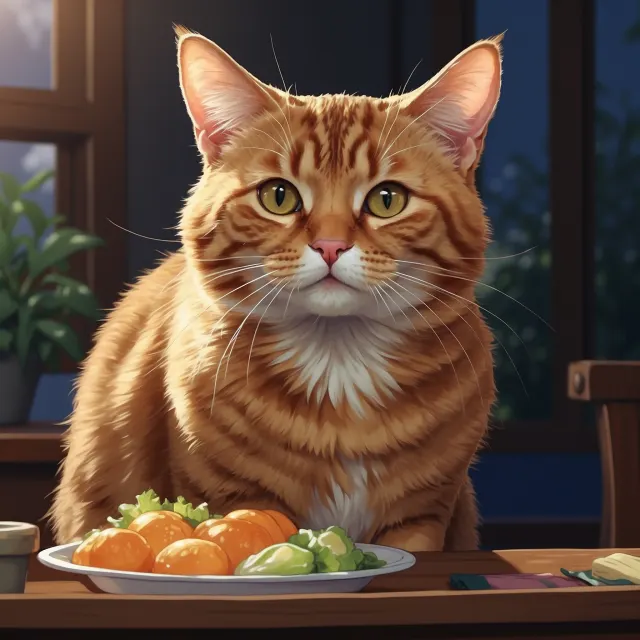
Whiskers, a friendly cat, has an insatiable appetite that worries his village. Advised by a wise owl, he embarks on a…
 7 min
Ages 5–8 · Rhyming Stories & Poems
Gubbon Seer
7 min
Ages 5–8 · Rhyming Stories & Poems
Gubbon Seer
Young Timmy, a curious boy from the village, loves exploring the magical Whispering Woods, home to the secretive…
 7 min
Ages 3–7 · Rhyming Stories & Poems
Santa Never Forgets!
7 min
Ages 3–7 · Rhyming Stories & Poems
Santa Never Forgets!
Santa and his trusty reindeer prepare for their magical Christmas Eve journey, delivering gifts and joy to every home…
 7 min
Ages 4–8 · Rhyming Stories & Poems
The Little Weed
7 min
Ages 4–8 · Rhyming Stories & Poems
The Little Weed
A tiny seed dreams of growing tall and strong, but finds itself in unforgiving soil, surrounded by towering plants…
 7 min
Ages 3–7 · Classic Tales
The Six Sillies
7 min
Ages 3–7 · Classic Tales
The Six Sillies
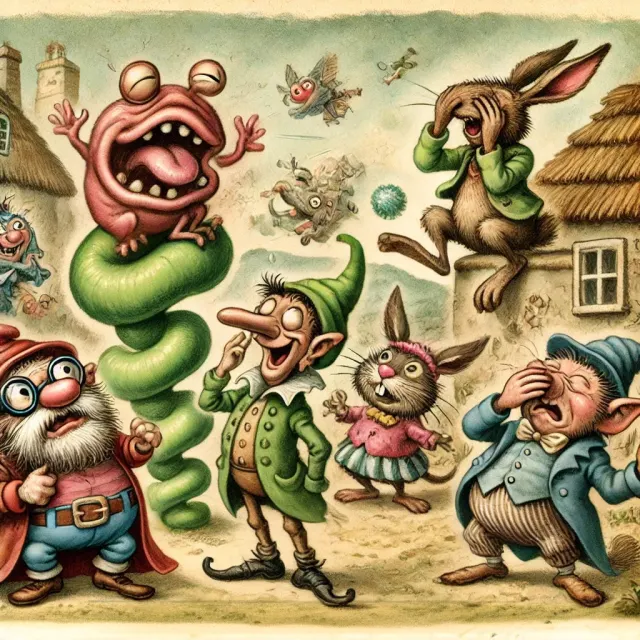
Rosie the curious rabbit hops into a magical forest and discovers the Six Sillies: Wiggly, Sneezy, Giggly, Blinky…
 7 min
Ages 3–7 · Rhyming Stories & Poems
Twinkling Feet’s Halloween
7 min
Ages 3–7 · Rhyming Stories & Poems
Twinkling Feet’s Halloween
Twinkling Feet, a cheerful rabbit known for his sparkling dance, receives a mysterious invitation to a Halloween party…
Verse is easier to read aloud than it looks
Parents skip these pages because poetry sounds like effort, and then find the opposite is true. A rhyming story is the one form that props up a tired reader rather than exposing one, because the verse itself tells you where to breathe, where to slow down and where the joke lands. You cannot really get it wrong.
Three things that make it work
- Trust the line breaks. Pause at the end of each line and the rhythm appears by itself.
- Do not rush the rhyme. Leave a beat before the rhyming word so your child can guess it.
- Read a little quieter as you go. Verse tolerates a falling voice better than prose, which is useful at the end of the day.
Our guide to reading a bedtime story aloud goes further into pace and pausing.
The seasons, in verse
An unusual number of these follow the weather, which makes them useful for marking the turn of the year with a child.
Why The Autumn Leaves Are Red is seven calm minutes about change, and pairs neatly with The Anxious Leaf, five minutes, in which a leaf is frightened of falling and is talked round. Read together they are a quiet way into a child worrying about something ending.
In winter, The Snow Man takes four minutes, and The Stars in the Sky is eight minutes of night sky and about as calm as this site gets. Both also appear in winter and snow stories.
Funny verse for a child who will not settle
Some evenings the answer is not calm. If your child is fizzing, a silly rhyme spends the energy rather than fighting it.
Princess Pink Knickers is eleven minutes and the longest here, ridiculous from the first verse and written for ages five to eight. The Six Sillies is six minutes of people being magnificently daft. The Cat Who Could Eat So Much gets greedier with every verse and children join in on the list.
And for the opposite evening
The Little Weed, seven minutes, and Whatever Happened to the Pea?, five, are both small quiet stories about something tiny growing into something that matters. They end softly, which is what you want when the lights are already off.
What to read after these
Verse sits inside the wider Classic Tales theme, next to Nursery Rhymes, which shares the repetition but tells its stories in much shorter, toddler-sized verses.
If what you liked was the settling effect rather than the rhyme, gentle and sleepy stories gathers the calmest material on the site regardless of form. And if you have caught the habit, character voices for bedtime stories is the natural next step, since verse is where voices are easiest to try.
Verse for Christmas and for Halloween
Verse suits an occasion, which is why so much of this shelf is seasonal. These are the ones to keep for a particular night rather than a random Tuesday.
The week before Christmas
A Christmas Star takes four minutes and is the one to read when excitement has already got out of hand. Santa Never Forgets!, seven minutes, is for the child worrying about being remembered. Both also appear in Christmas stories, along with the prose ones.
The end of October
Twinkling Feet’s Halloween, six minutes and written for ages three to seven, is friendly rather than frightening, which is what most small children actually want from Halloween once the costume is off.
Outside the calendar
Two of the longer verse tales suit an older listener who has decided poems are for little children. Mudjee Monedo is nine minutes for ages six to ten, and Rose of Evening is nine for five to eight. Both are stories first and verse second, which is almost always the way back in.
Every rhyming stories & poems story, A to Z
- A Christmas Star
- Goody Two Shoes
- Gubbon Seer
- Mudjee Monedo
- Princess Pink Knickers
- Rose of Evening
- Santa Never Forgets!
- Sunshine Stories
- The Anxious Leaf
- The Butterfly
- The Cat Who Could Eat So Much
- The Chronicle of the Pancake
- The Fair With Golden Hair
- The Little Good Mouse
- The Little Weed
- The Raven
- The Six Sillies
- The Snow Man
- The Stars in the Sky
- The Weeds
- Twinkling Feet’s Halloween
- Whatever Happened to the Pea?
- Why The Autumn Leaves Are Red
Questions parents ask about rhyming stories & poems stories
Are rhyming stories good for bedtime?
Yes. The regular rhythm slows a reader's pace almost automatically, and a predictable beat helps a child settle. Choose a gentle one such as The Stars in the Sky rather than a comic one if the aim is sleep.
Do rhyming stories help children learn to read?
They help with the sound of language: rhyme makes children notice how words are built, which supports early reading. Our guide on bedtime stories and language development covers the detail.
What is the shortest rhyming story here?
The Snow Man and The Raven both take about four minutes read aloud. The longest is Princess Pink Knickers at around eleven.
How do I read poetry aloud to a child without sounding awkward?
Pause at the end of each line, leave a small gap before the rhyming word, and let your voice drop rather than rise at the end. The verse carries itself once you stop hurrying.