
7 stories
Brothers Grimm tales
The German collection that gave the world its fairy tales
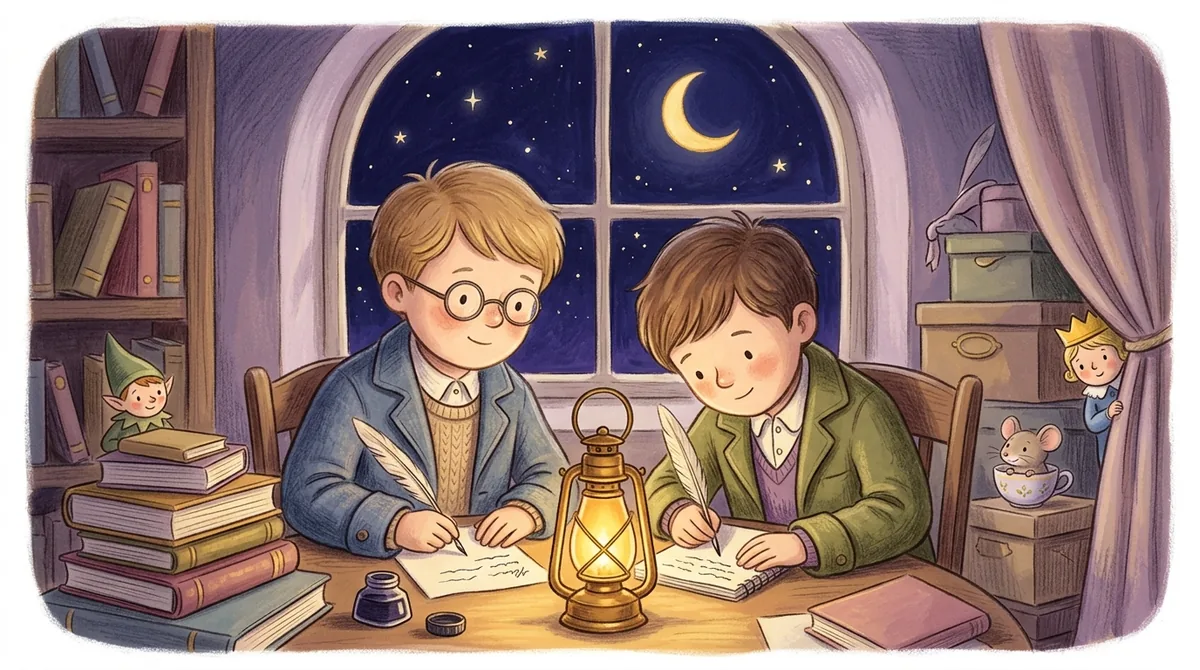
Jacob (1785–1863) and Wilhelm (1786–1859) Grimm published their first collection of German tales in 1812 and a seventh, much revised edition in 1857. Seven of their tales are retold on this site, from six to eight minutes each.
Jacob and Wilhelm Grimm collected the stories German families told each other, and the world has told them ever since. These retellings keep the shape of the originals and soften the darkest corners for bedtime. Rapunzel, Rumpelstiltskin, Hansel and Gretel, Snow White and the goose girl are all here, each labelled with a suggested age, because the Grimms' tales range from gentle to genuinely dark and a parent deserves to know which is which before the lights go down.
Where to start with brothers grimm tales
 10 min
Ages 3–7 · Classic Tales
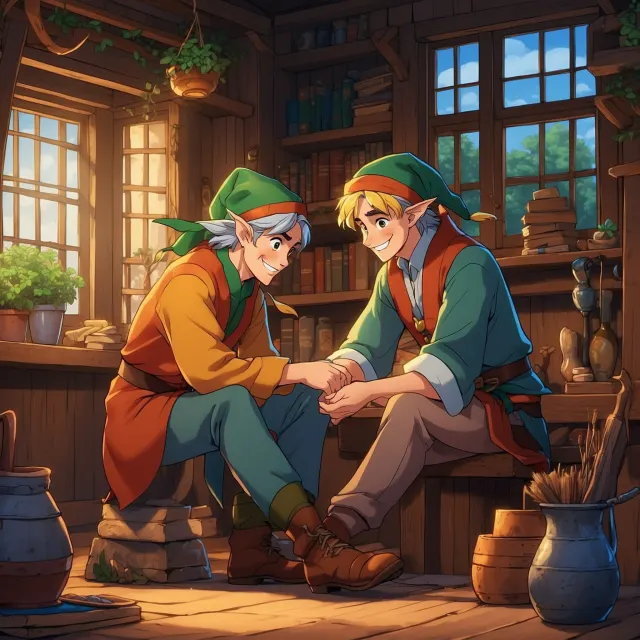
The Elves and the Shoemaker
10 min
Ages 3–7 · Classic Tales
The Elves and the Shoemaker
A kind shoemaker and his wife struggle to make ends meet in their quaint village shop. One morning, they discover their…
 7 min
Ages 3–7 · Friendship
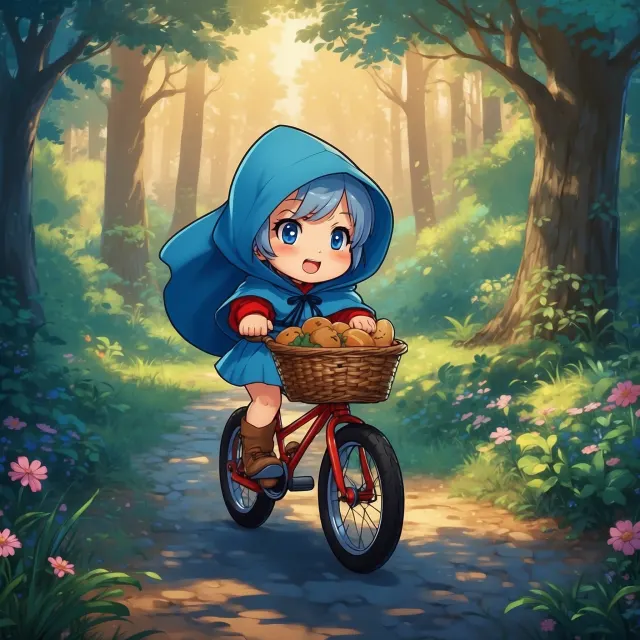
Little Blue Riding Hood
7 min
Ages 3–7 · Friendship
Little Blue Riding Hood
Little Blue Riding Hood sets off to deliver a basket of treats to her grandmother, who lives across a thick forest. Her…
 13 min
Ages 4–8 · Classic Tales
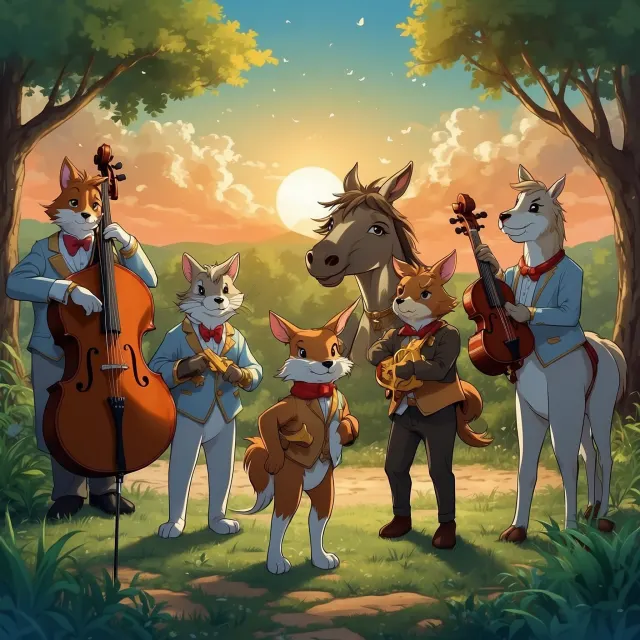
The Musicians of Bremen
13 min
Ages 4–8 · Classic Tales
The Musicians of Bremen
Old Donkey, Horse, Dog, and Cat are unhappy and feel unwanted. They decide to leave their homes and journey to Bremen…
 18 min
Ages 6–10 · Classic Tales
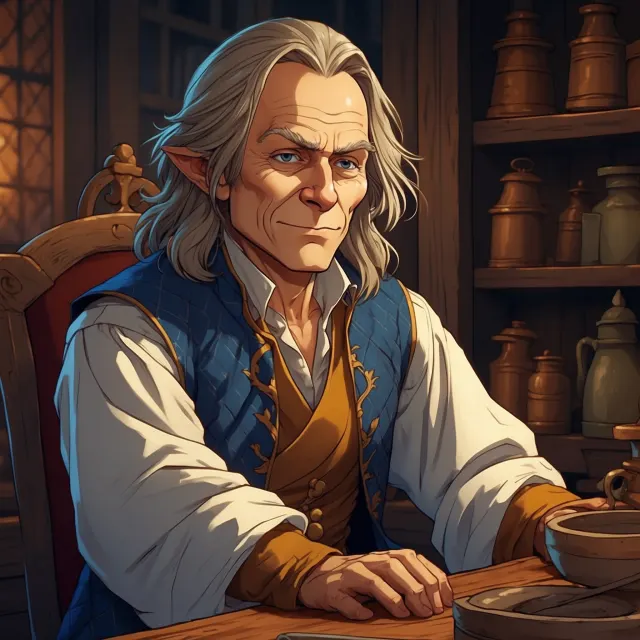
Rumpelstiltskin
18 min
Ages 6–10 · Classic Tales
Rumpelstiltskin
A king seeks a magical golden shirt to save his gravely ill queen, promising his daughter's future hand. A peculiar…
 19 min
Ages 6–10 · Classic Tales
The Goose Girl
19 min
Ages 6–10 · Classic Tales
The Goose Girl
Princess Anna, who can talk to animals, is sent to marry a prince. On her journey, wicked servants steal her identity…
 21 min
Ages 6–10 · Classic Tales
Hansel and Gretel
21 min
Ages 6–10 · Classic Tales
Hansel and Gretel
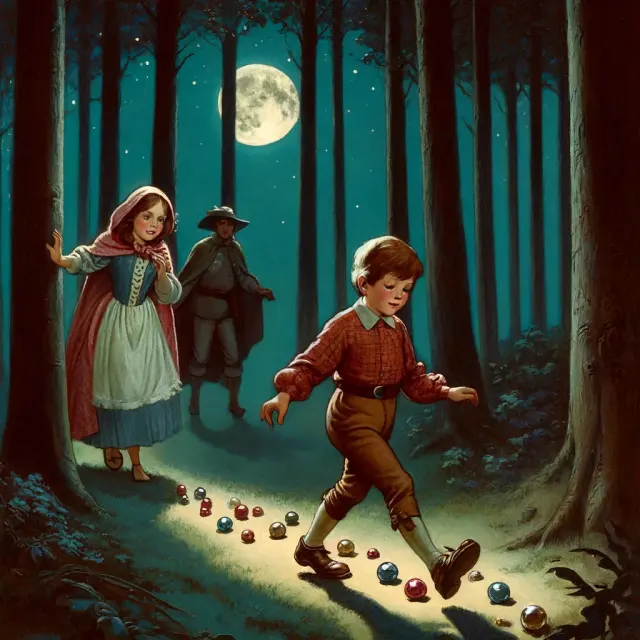
Hansel and Gretel live with their father and mean stepmother, who plans to abandon them in the forest. Overhearing her…
 21 min
Ages 5–12 · Classic Tales
Rapunzel
21 min
Ages 5–12 · Classic Tales
Rapunzel
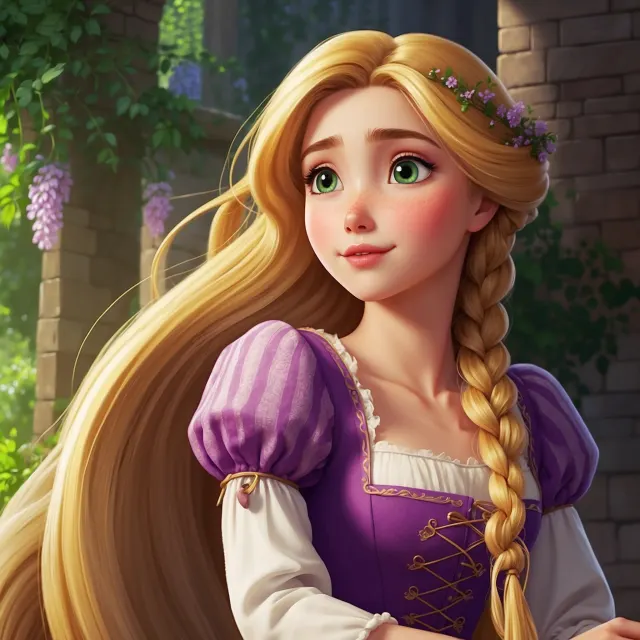
Meet Rapunzel, a girl with incredibly long, golden hair, locked away in a tall tower by the wicked sorcerer Gothel. She…
Who the Grimms were, and what they actually did
Jacob and Wilhelm Grimm were German scholars, not authors of fairy tales. They collected stories that were already being told, mostly from people around Kassel, and published them as Kinder- und Hausmärchen in 1812. The book was meant for scholars as much as for children.
From 1812 to 1857
They kept revising it for more than forty years. The seventh and final edition of 1857 is the one most later translations come from, and it is noticeably different from the first: the language is smoother, the moralising is heavier, and several of the harsher details of 1812 were softened or removed. Jacob died in 1863 and Wilhelm in 1859. Our guide to who the Brothers Grimm were goes through the story of the collection properly.
The seven Grimm tales on this site
Hansel and Gretel is the one people arrive looking for, eight minutes for ages 6–10, with the abandonment at the start left in. Rapunzel runs six minutes and carries the widest age range here, 5–12. Rumpelstiltskin is six minutes for ages 6–10 and turns on a promise that should never have been made.
At the gentler end, The Elves and the Shoemaker is eight minutes for ages 3–7 and the only one of the seven marked gentle; it is the right first Grimm for a small child. The Musicians of Bremen is eight minutes of four old animals refusing to be discarded, and it is funnier than its reputation. The Goose Girl at seven minutes and Little Blue Riding Hood at seven complete the set.
What these retellings change, and what they keep
Every version here is a retelling written for reading aloud, not a translation of the Grimms' German. The plots, the characters and the turning points are theirs. The sentence length, the vocabulary and the pacing are ours, pitched at the age range given on each story.
How much of the darkness is left
Enough to matter. Hansel and Gretel are still sent into the forest. Rumpelstiltskin still demands the child. What has generally gone is the punishment at the end, which in the 1857 text can be extraordinarily violent, and the lingering on cruelty for its own sake. If you have read the originals and are wondering whether a detail survives, assume the plot does and the gore does not.
If you want to adjust further as you read, adapting a fairy tale for your child sets out which parts can be moved without breaking the story.
Reading Grimm to a child who scares easily
Start with The Elves and the Shoemaker, which has no threat in it at all, then The Musicians of Bremen, where the frightening thing turns out to be four animals in a stack. Only then try Little Blue Riding Hood. Leave Hansel and Gretel and Rumpelstiltskin until your child is comfortably six.
A frightened child at bedtime is not a failure of the story, but it is worth understanding what is going on: fairy tales and fear covers why children seek out the scary parts and when to stop. For the neighbouring traditions, Hans Christian Andersen tales is the Danish counterpart and folk tales from around the world holds the rest.
| Tale | Minutes | Ages | Note |
|---|---|---|---|
| The Elves and the Shoemaker | 8 | 3–7 | The only gentle one; start here |
| Little Blue Riding Hood | 7 | 3–7 | A wolf, handled lightly |
| The Musicians of Bremen | 8 | 4–8 | Four old animals, mostly comic |
| Rapunzel | 6 | 5–12 | Widest age range of the seven |
| The Goose Girl | 7 | 6–10 | A servant and a stolen name |
| Hansel and Gretel | 8 | 6–10 | Abandonment kept; for six and over |
Collections that share these stories
Ranked by how many stories they have in common with this one.
Questions about brothers grimm tales
When were the Brothers Grimm's fairy tales published?
The first edition appeared in 1812 and the seventh and final edition in 1857. The brothers revised the collection heavily across those forty-five years.
Are these the original Grimm texts?
No. They are retellings written for reading aloud to children. The plots and characters come from the Grimms; the wording and pacing are adapted for ages given on each story.
Which Grimm story should I read to a young child first?
The Elves and the Shoemaker. It is eight minutes for ages 3–7, the only one of the seven marked gentle, and it contains no threat.
Did the Brothers Grimm write the stories themselves?
No. They were scholars who collected tales that were already being told, mainly in the region around Kassel, and edited them for publication.
How many Grimm tales are on this site?
Seven in this collection. Several other tales elsewhere on the site, including The Six Swans and The Wolf and the Seven Little Kids, also come from the Grimm collection.