
Bedtime stories by age
What a one-year-old needs from a story is not what an eight-year-old needs. Every story carries a suggested age range; here they are grouped into four stages, each with a note on what works and why.
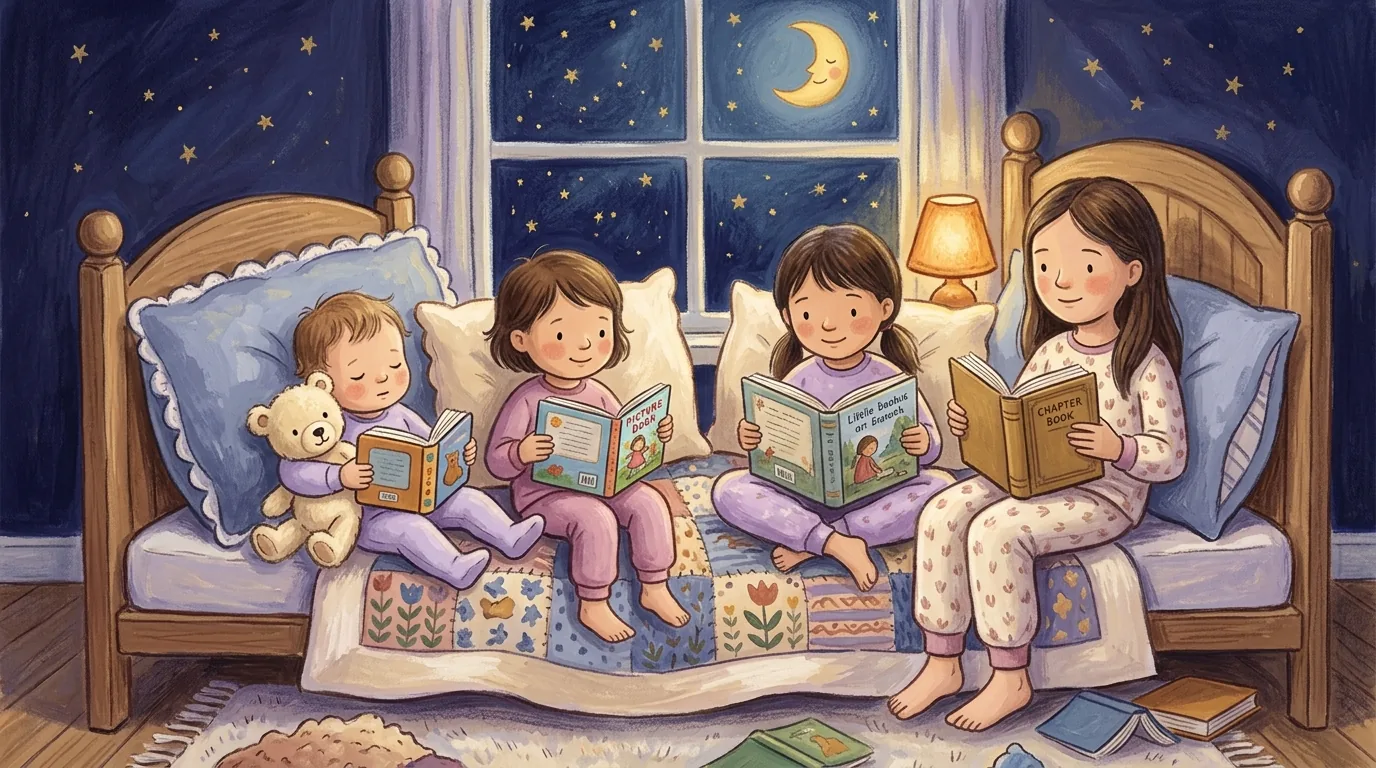
Every story carries a suggested age range, and the ranges deliberately overlap, so a story marked for ages four to eight appears for both preschoolers and early readers. The four stages below are a starting point, not a rule: length and how frightening a story is matter more than the number.
Toddlers ages 1–3
Short, rhythmic and repetitive: rhymes, animals and gentle surprises
What works at this stage
At one to three, a story is a sound before it is a plot. Toddlers want rhythm, repetition and a picture to point at, and they will happily hear the same short verse every night for a month. The page begins with twelve genuine one- and two-minute rhymes labelled ages one to three; the longer tales below them are next steps for children approaching preschool.
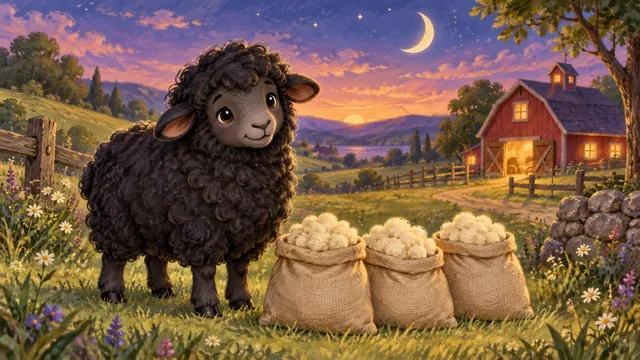 1 min
Ages 1–3 · Nursery Rhymes
Baa, Baa, Black Sheep
1 min
Ages 1–3 · Nursery Rhymes
Baa, Baa, Black Sheep
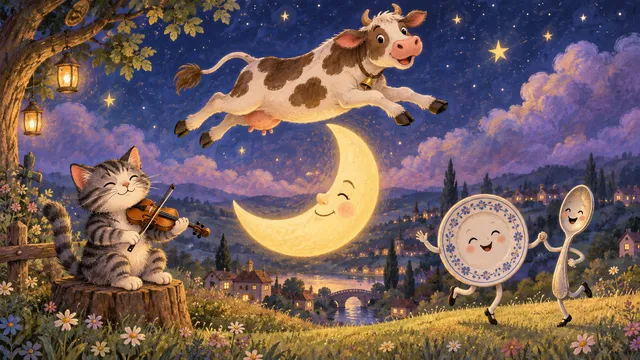 1 min
Ages 1–3 · Nursery Rhymes
Hey Diddle Diddle
1 min
Ages 1–3 · Nursery Rhymes
Hey Diddle Diddle
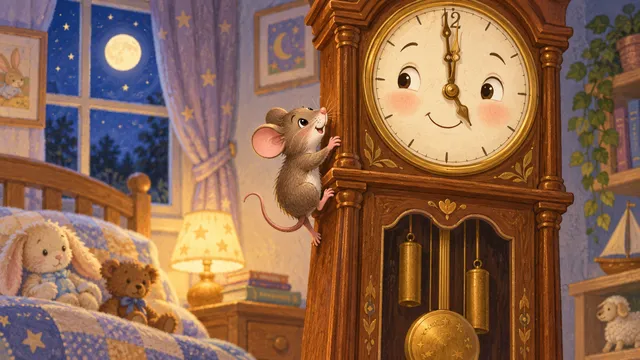 1 min
Ages 1–3 · Nursery Rhymes
Hickory Dickory Dock
1 min
Ages 1–3 · Nursery Rhymes
Hickory Dickory Dock
 1 min
Ages 1–3 · Nursery Rhymes
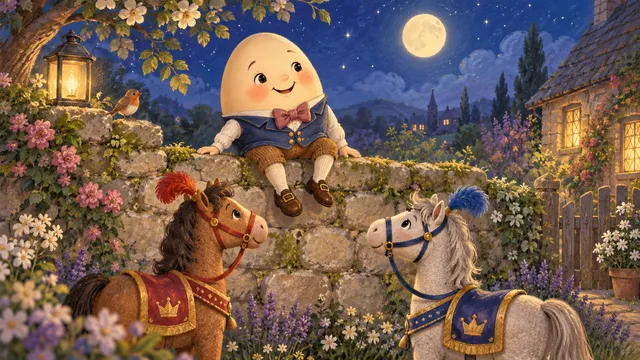
Humpty Dumpty
1 min
Ages 1–3 · Nursery Rhymes
Humpty Dumpty
 1 min
Ages 1–3 · Nursery Rhymes
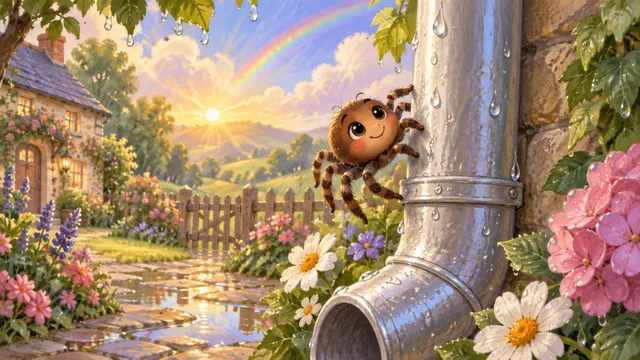
Incy Wincy Spider
1 min
Ages 1–3 · Nursery Rhymes
Incy Wincy Spider
 1 min
Ages 1–3 · Nursery Rhymes
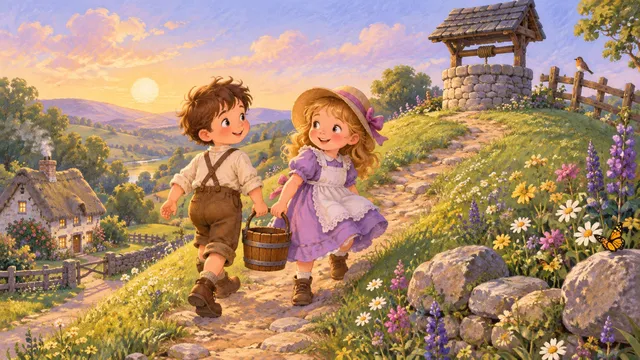
Jack and Jill
1 min
Ages 1–3 · Nursery Rhymes
Jack and Jill
 1 min
Ages 1–3 · Nursery Rhymes
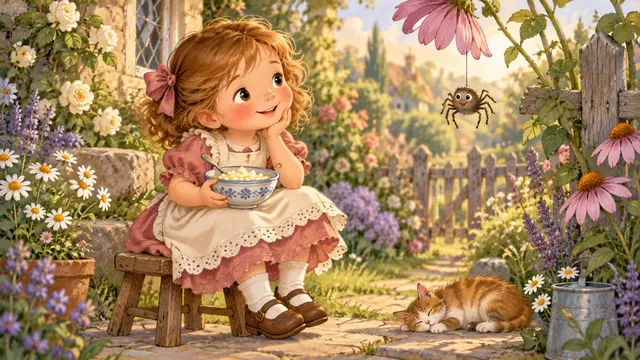
Little Miss Muffet
1 min
Ages 1–3 · Nursery Rhymes
Little Miss Muffet
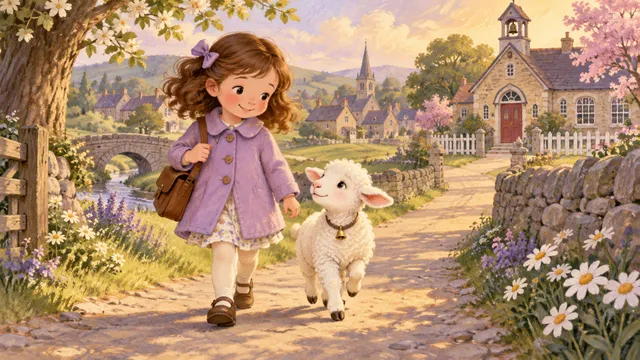 1 min
Ages 1–3 · Nursery Rhymes
Mary Had a Little Lamb
1 min
Ages 1–3 · Nursery Rhymes
Mary Had a Little Lamb
Preschoolers ages 3–5
Clear heroes, gentle magic, a problem and a happy ending
What works at this stage
Three-to-five-year-olds are ready for a real story: a character they can root for, a problem that feels big but never frightening, and an ending that puts the world right. This is the age for classic fairy tales in their kindest versions, first fables, and stories about sharing, being brave at nursery, and missing Mum or Dad. Expect questions; they are the point.
1 min
Ages 1–3 · Nursery Rhymes
Baa, Baa, Black Sheep
1 min
Ages 1–3 · Nursery Rhymes
Hey Diddle Diddle
1 min
Ages 1–3 · Nursery Rhymes
Hickory Dickory Dock
1 min
Ages 1–3 · Nursery Rhymes
Humpty Dumpty
1 min
Ages 1–3 · Nursery Rhymes
Incy Wincy Spider
1 min
Ages 1–3 · Nursery Rhymes
Jack and Jill
1 min
Ages 1–3 · Nursery Rhymes
Little Miss Muffet
1 min
Ages 1–3 · Nursery Rhymes
Mary Had a Little Lamb
Early readers ages 5–8
Longer adventures, cleverer heroes, and morals worth talking about
What works at this stage
Between five and eight, children can follow a story across several chapters, hold two characters in their heads at once, and enjoy a villain who is properly villainous. Many of these stories are the fuller versions of tales they met as preschoolers, plus adventures, quests and fables whose lesson is worth a conversation. Some children will want to read the first page to you.
 3 min
Ages 3–7 · Classic Tales
The Two Soldiers and the Robber
3 min
Ages 3–7 · Classic Tales
The Two Soldiers and the Robber
 4 min
Ages 4–8 · Rhyming Stories & Poems
A Christmas Star
4 min
Ages 4–8 · Rhyming Stories & Poems
A Christmas Star
 4 min
Ages 4–8 · Classic Tales
Dapplegrim
4 min
Ages 4–8 · Classic Tales
Dapplegrim
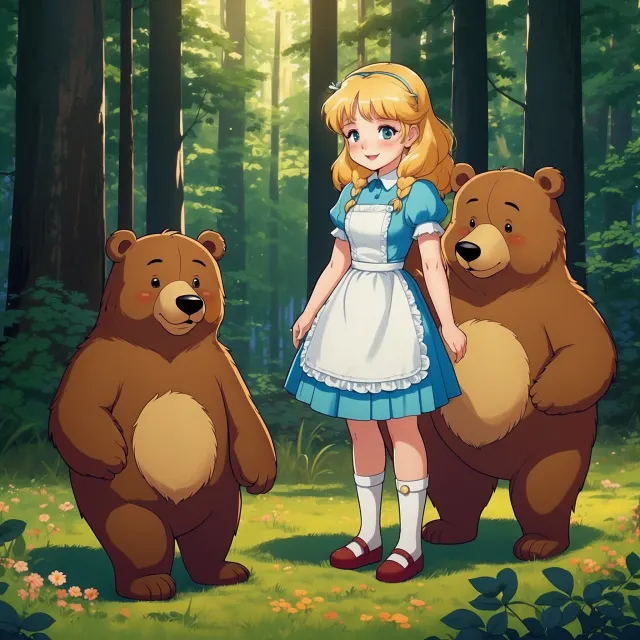 4 min
Ages 3–7 · Classic Tales
Goldilocks and The Three Bears
4 min
Ages 3–7 · Classic Tales
Goldilocks and The Three Bears
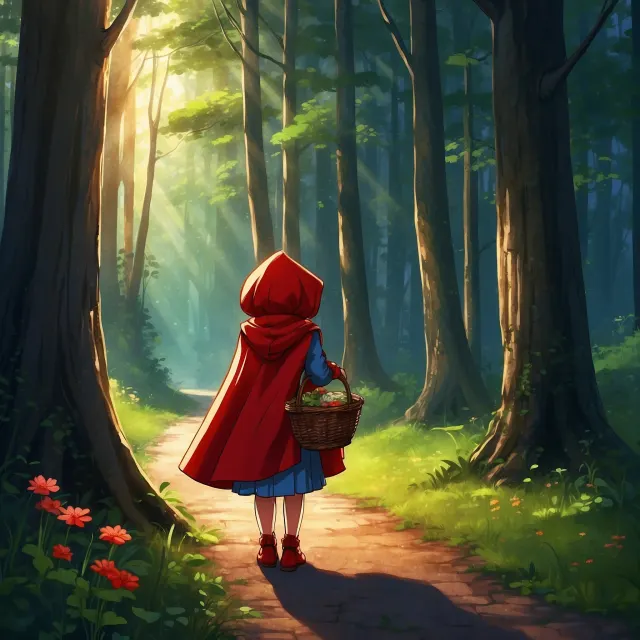 4 min
Ages 3–7 · Bravery & Courage
Little Red Riding Hood (A Gentler Retelling)
4 min
Ages 3–7 · Bravery & Courage
Little Red Riding Hood (A Gentler Retelling)
 4 min
Ages 4–8 · Magic
Prince Ariel
4 min
Ages 4–8 · Magic
Prince Ariel
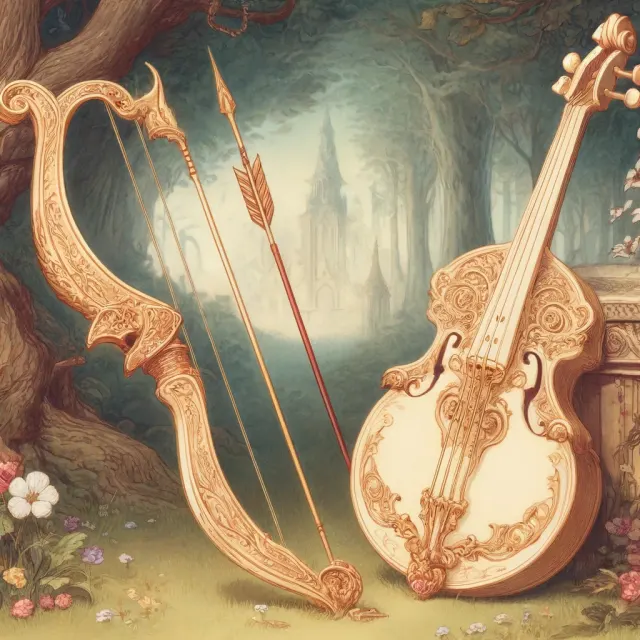 4 min
Ages 3–7 · Classic Tales
The Bow and the Lyre
4 min
Ages 3–7 · Classic Tales
The Bow and the Lyre
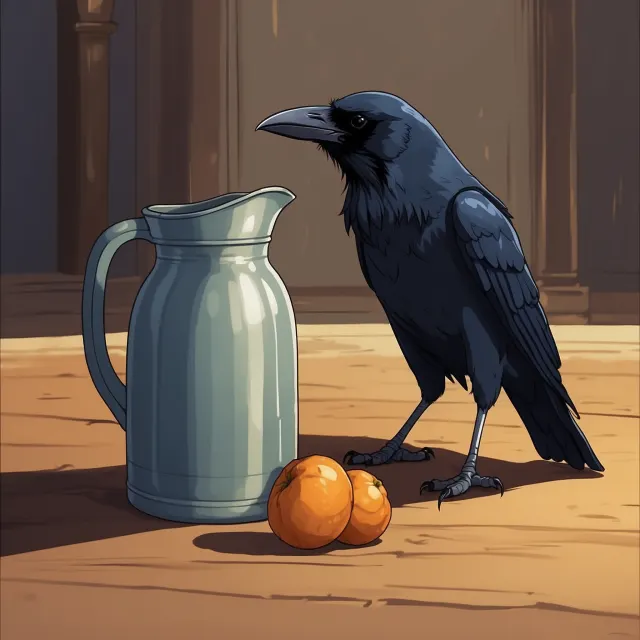 4 min
Ages 3–7 · Classic Tales
The Crow and the Pitcher
4 min
Ages 3–7 · Classic Tales
The Crow and the Pitcher
Big kids ages 8–12
Rich language, longer tales, and stories that reward thinking
What works at this stage
Older children have not outgrown being read to; they have outgrown being read down to. These are the longest and most richly worded stories in the library: literary fairy tales, myths and legends, and tales with endings that are not entirely tidy. They work as bedtime reading, as independent reading, and as the story a whole family can listen to together.
4 min
Ages 4–8 · Rhyming Stories & Poems
A Christmas Star
4 min
Ages 4–8 · Classic Tales
Dapplegrim
4 min
Ages 4–8 · Magic
Prince Ariel
 4 min
Ages 4–8 · Classic Tales
The Dog and the Oyster
4 min
Ages 4–8 · Classic Tales
The Dog and the Oyster
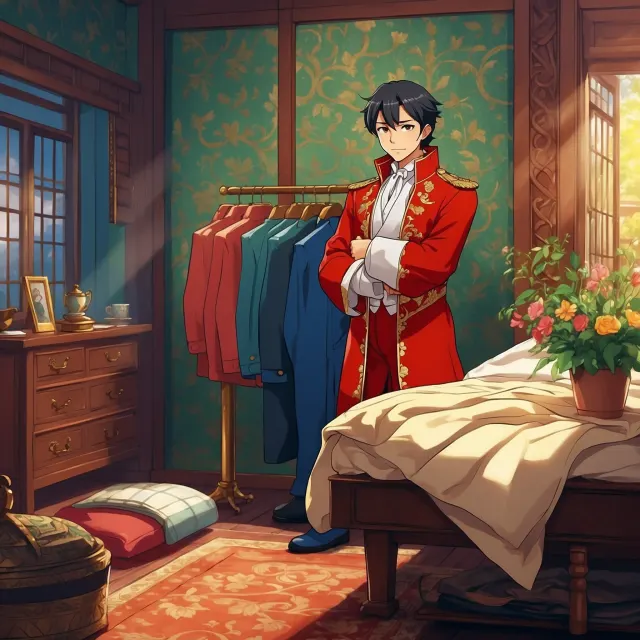 4 min
Ages 4–8 · Classic Tales
The Emperor’s New Clothes
4 min
Ages 4–8 · Classic Tales
The Emperor’s New Clothes
 4 min
Ages 4–8 · Classic Tales
The Fox Without a Tail
4 min
Ages 4–8 · Classic Tales
The Fox Without a Tail
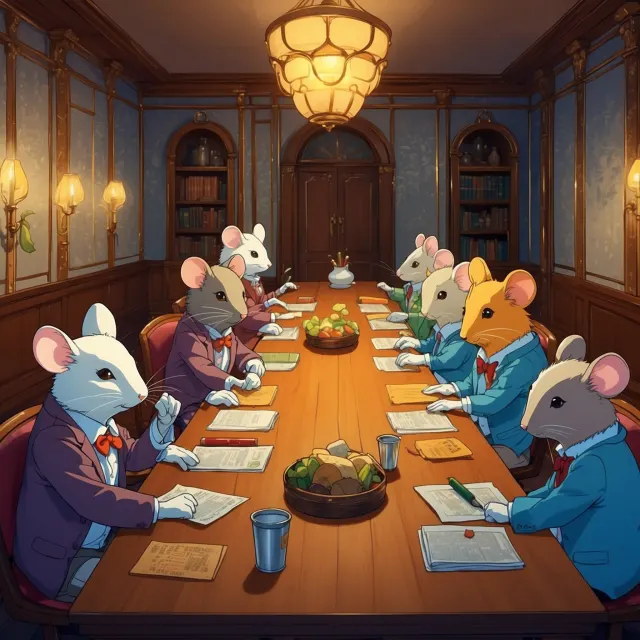 4 min
Ages 4–8 · Classic Tales
The Mice in Council
4 min
Ages 4–8 · Classic Tales
The Mice in Council
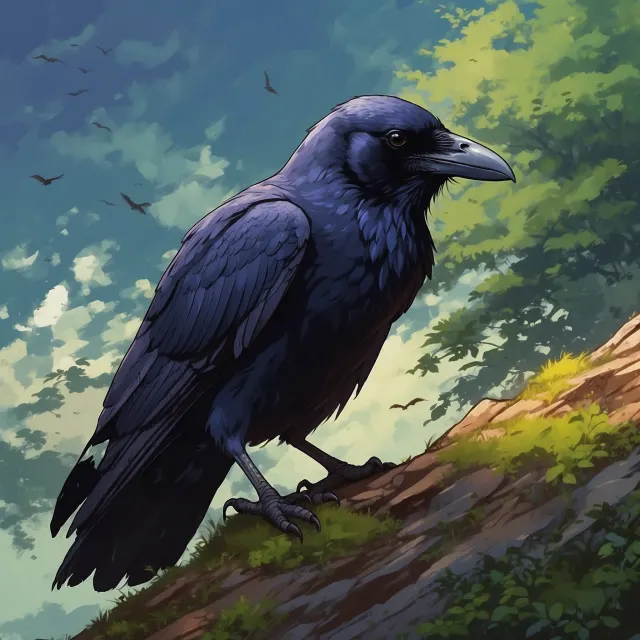 4 min
Ages 6–10 · Rhyming Stories & Poems
The Raven
4 min
Ages 6–10 · Rhyming Stories & Poems
The Raven
Questions about reading to a particular age
What age are bedtime stories for?
Reading aloud starts before a child can talk and works for as long as they will sit for it, usually into the teens. The stories here are labelled from one to twelve, and the label is about vocabulary, length and how frightening the story is rather than reading ability.
Why does one story appear under two age groups?
Because its suggested range spans them. A story marked for ages four to eight is listed for preschoolers and for early readers, since a four-year-old and an eight-year-old can both enjoy it for different reasons.
How long should a bedtime story be for my child's age?
Under five minutes for toddlers, five to ten for preschoolers and early readers, and longer for children over eight who can hold a plot across chapters. Every story shows its read-aloud time before you open it.
Is my child too old for bedtime stories?
Most children drift away between eight and eleven, usually because the material stopped growing with them rather than because they stopped wanting it. Longer literary tales and a change of who reads bring most of them back.
Not sure which stage?
The parents' guide walks through what to read from birth to twelve, with examples from the library.