
37 stories
Folk tales from around the world
Russian, Norwegian, Chinese, Arabian, Indian and more
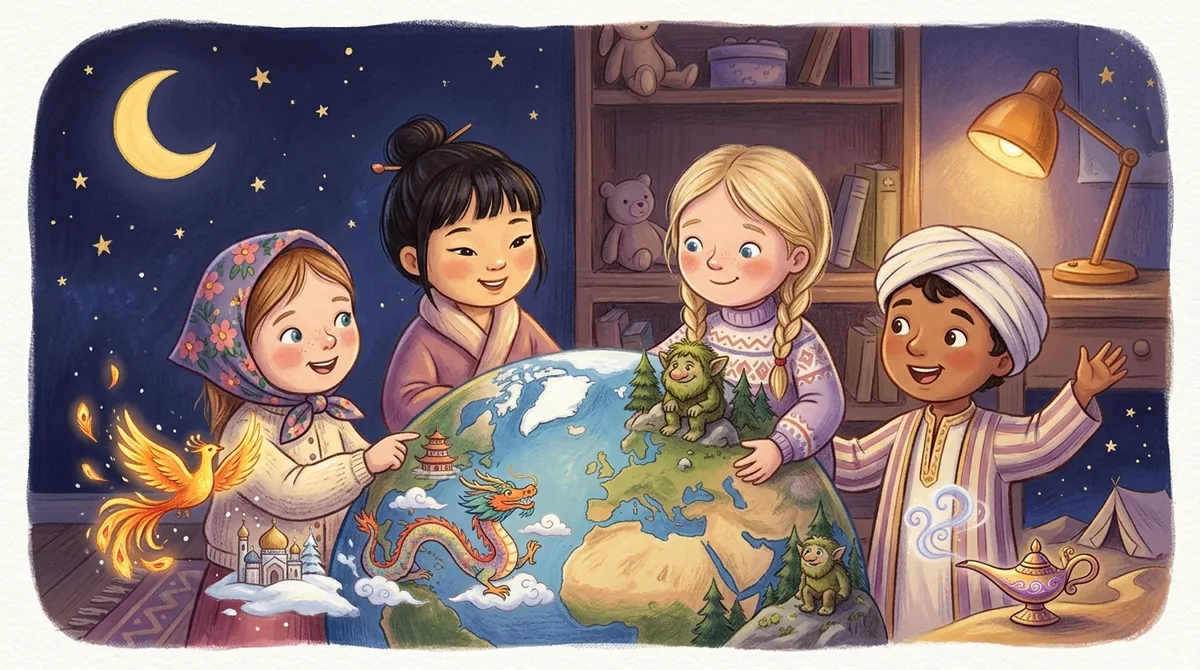
Thirty-seven folk tales here come from Greece, Norway, Russia, Japan, China, Germany, England and the Arabic tradition of One Thousand and One Nights. Most read aloud in four to ten minutes.
Every culture has its bedtime stories, and they rhyme with each other in surprising ways: a Cinderella in China, a clever tailor in Norway, a bird with nine heads. This collection is the library's world tour.
Where to start with folk tales from around the world
12 of 37 to start with. The full list follows.
 7 min
Ages 3–7 · Classic Tales
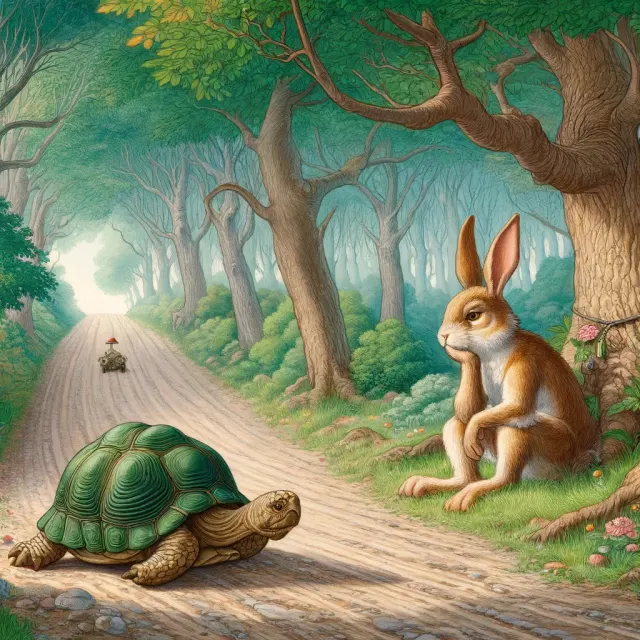
The Tortoise and the Hare
7 min
Ages 3–7 · Classic Tales
The Tortoise and the Hare
In a lush valley, the speedy Hare challenges the steady Tortoise to a race. Hare's confidence soars, while Tortoise…
 8 min
Ages 3–7 · Classic Tales
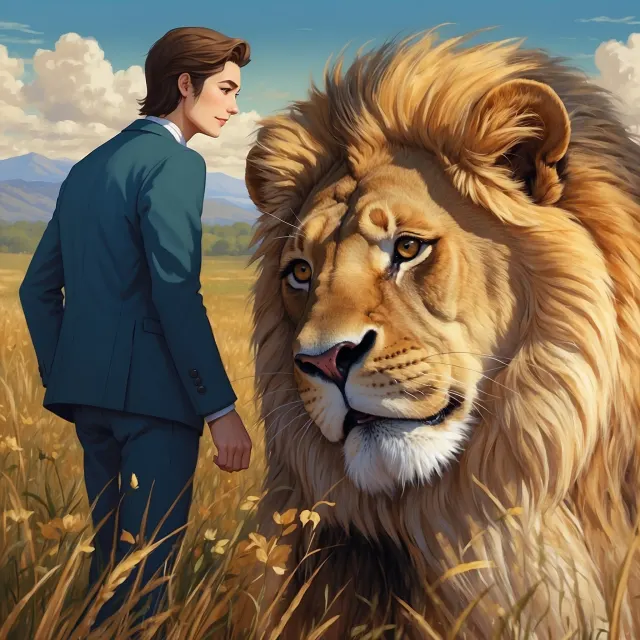
The Lion and the Mouse
8 min
Ages 3–7 · Classic Tales
The Lion and the Mouse
A timid mouse and a mighty lion cross paths in the jungle. When the powerful king of the jungle finds himself in a…
 10 min
Ages 3–7 · Classic Tales
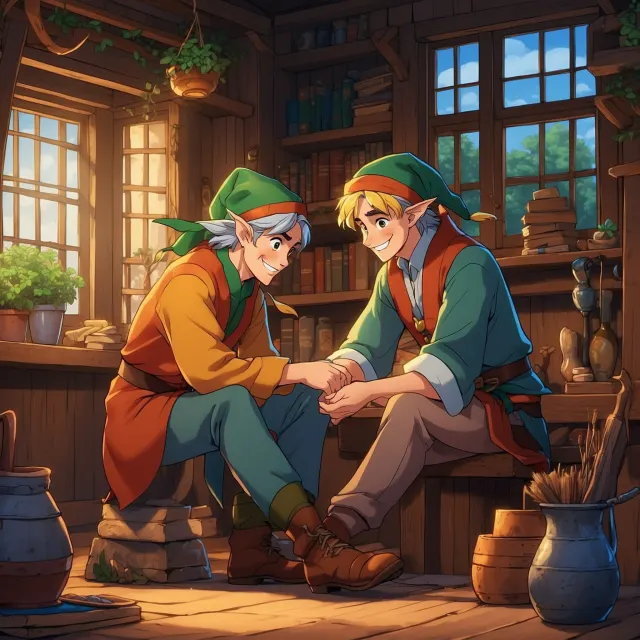
The Elves and the Shoemaker
10 min
Ages 3–7 · Classic Tales
The Elves and the Shoemaker
A kind shoemaker and his wife struggle to make ends meet in their quaint village shop. One morning, they discover their…
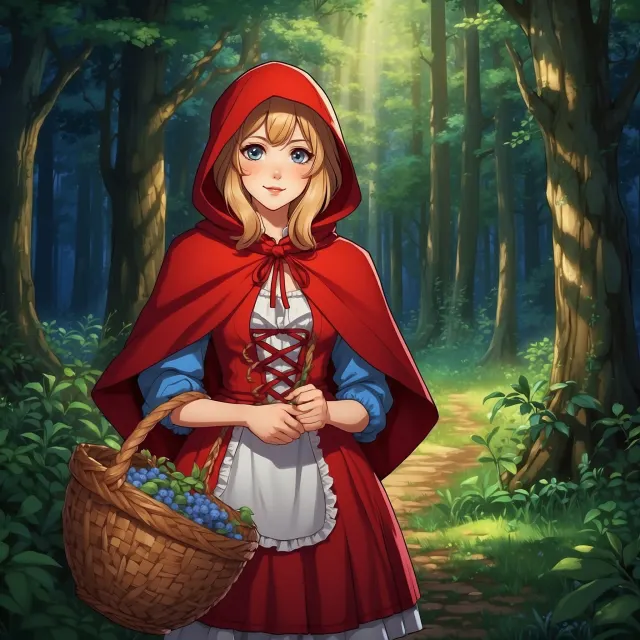 13 min
Ages 4–8 · Classic Tales
Little Red Riding Hood
13 min
Ages 4–8 · Classic Tales
Little Red Riding Hood
Little Red Riding Hood sets off through the enchanting forest to deliver a basket of goodies to her sick grandmother…
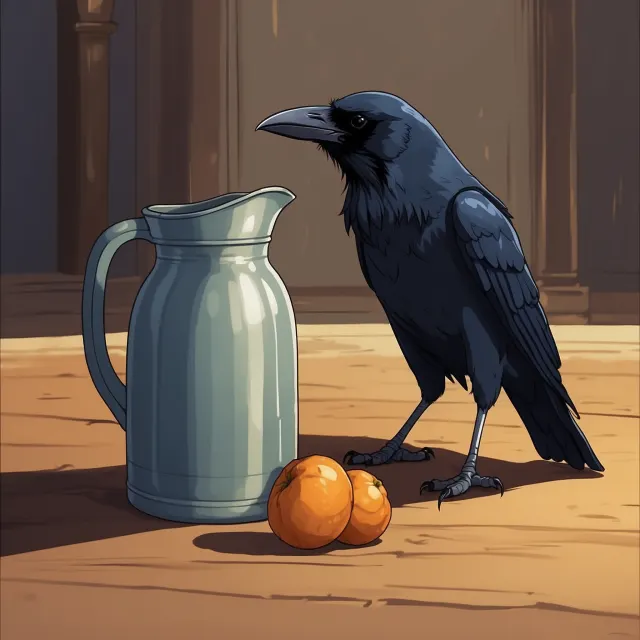 4 min
Ages 3–7 · Classic Tales
The Crow and the Pitcher
4 min
Ages 3–7 · Classic Tales
The Crow and the Pitcher
A thirsty crow searches for water on a scorching day. He finds a pitcher, but the water is too low to reach. With a…
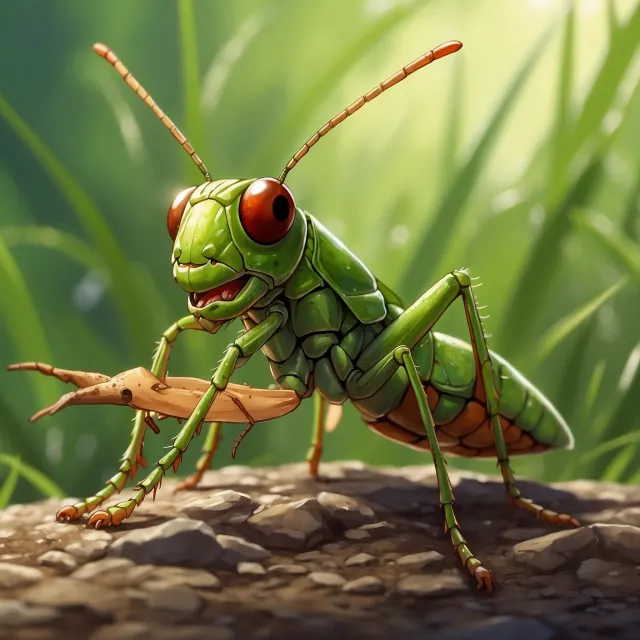 4 min
Ages 3–7 · Classic Tales
The Grasshopper and the Ants
4 min
Ages 3–7 · Classic Tales
The Grasshopper and the Ants
Grasshopper loves summer fun, singing and dancing, while the busy ants gather food for colder days. When the rain and…
 4 min
Ages 3–7 · Classic Tales
The North Wind and the Sun
4 min
Ages 3–7 · Classic Tales
The North Wind and the Sun
The boastful North Wind challenges the gentle Sun to see who is more powerful. They agree to a contest: make a…
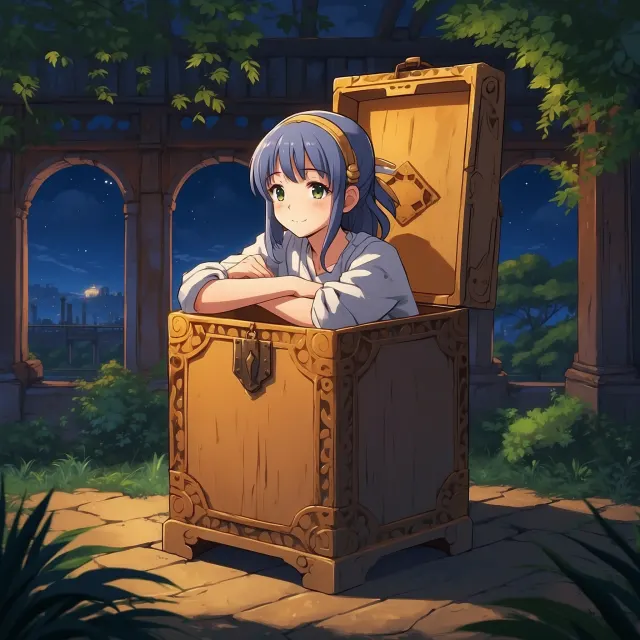 6 min
Ages 6–10 · Magic
Pandora’s Box
6 min
Ages 6–10 · Magic
Pandora’s Box
Pandora, the first woman, receives a mysterious box from Zeus. Despite warnings, her endless curiosity leads her to…
 6 min
Ages 4–8 · Classic Tales
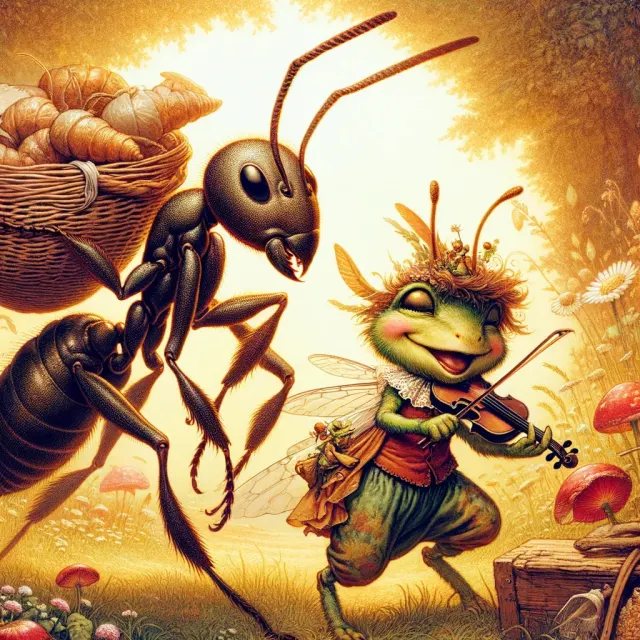
The Ant and the Grasshopper
6 min
Ages 4–8 · Classic Tales
The Ant and the Grasshopper
Meet Grasshopper, who loves to sing and dance, and Ant, who works hard storing food. As autumn turns to winter…
 6 min
Ages 5–8 · Classic Tales
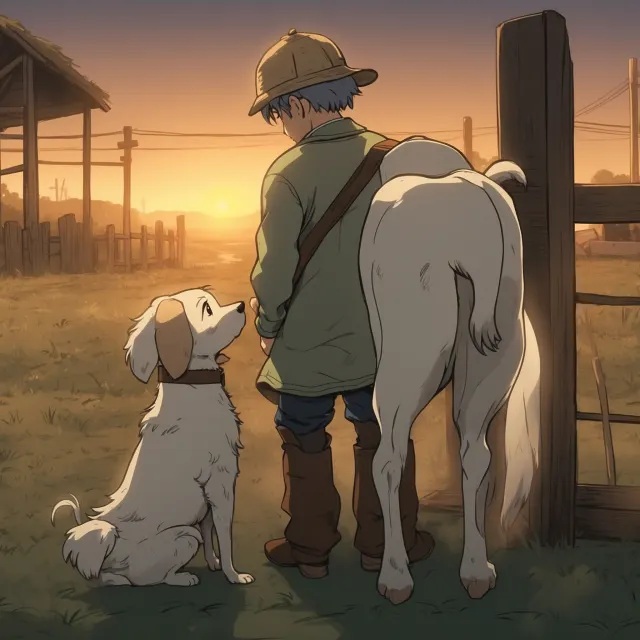
The Ass and the Lapdog
6 min
Ages 5–8 · Classic Tales
The Ass and the Lapdog
The strong Ass feels jealous of the small Lapdog's affection from the farmer. When the farmer faces a tough decision…
 6 min
Ages 4–8 · Classic Tales
The Boy Who Cried Wolf
6 min
Ages 4–8 · Classic Tales
The Boy Who Cried Wolf
A mischievous boy guarding his flock enjoys tricking villagers with false cries of "Wolf!". They rush to help, only to…
 6 min
Ages 3–7 · Nursery Rhymes
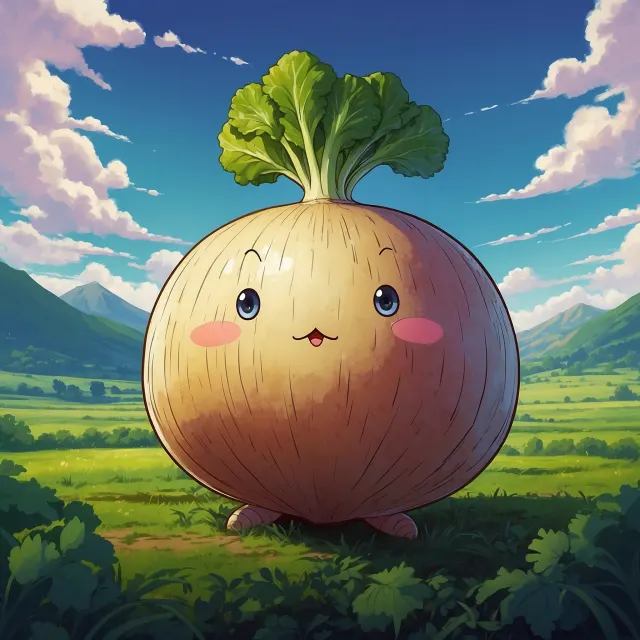
The Enormous Turnip
6 min
Ages 3–7 · Nursery Rhymes
The Enormous Turnip
A kind old man and his wife dream of growing an enormous turnip. When a magic seed sprouts a vegetable bigger than they…
Which traditions these tales actually come from
This collection is not a tour of every storytelling culture, and it would be dishonest to present it as one. It is what the site holds, and it leans heavily on Europe and on Aesop. Here is the real spread.
Aesop, and the Greek myths
Roughly half of the thirty-seven are Aesop retellings: The Lion and the Mouse at seven minutes, The Crow and the Pitcher at four, The North Wind and the Sun at four, and the rest. They are short, they are blunt, and they all end with a point. Two Greek myths sit alongside them: Pandora’s Box and The Golden Touch of King Midas, both six to eight minutes for ages 6–10.
Northern and Slavic tales
Four Norwegian tales give the collection its longest and strangest stories: East of the Sun and West of the Moon at eleven minutes, The Master Maid at nine, The Lad Who Went to the North Wind at ten, and The Three Billy Goats Gruff at nine. From Russia comes The Enormous Turnip, seven minutes and perfect for a three-year-old, and from the wider Slavic tradition The Baba Yaga, ten minutes for ages 5–8.
East Asia, Arabia and Germany
Princess Hase, a Story of Old Japan is seven gentle minutes, and Princess Kwan-Yin retells a Chinese legend in seven. Ali Baba and the Forty Thieves comes from One Thousand and One Nights in five minutes. The German end includes The Pied Piper of Hamelin at five minutes and four Brothers Grimm retellings.
Reading a story from somewhere your child has never been
Let it be strange
The temptation is to explain the country first. Do not. Read the story, let it be strange, and answer the questions it raises afterwards, because a child who asks where Japan is after Princess Hase will remember the answer better than one who was told before page one.
One sentence of context
What does help is saying the name of the tradition in one short sentence as you open: this one is from Norway, this one is thousands of years old and comes from Greece. Our guide to folk tales around the world has the background if a question catches you out, and Aesop and his fables covers the half of this collection that comes from one source. Many of the Norwegian and Russian tales reached English through Andrew Lang's colour-named fairy books, if you want to know how.
The same story, told twice
Folk tales travel, and this collection shows how. The Hare and the Tortoise and The Tortoise and the Hare are two versions of one fable, six and seven minutes, and reading both back to back is the quickest way to show a child that a story is not a fixed object. The same goes for The City Mouse and the Country Mouse and The Town Mouse and the Country Mouse, and for the two Pied Piper tellings, the straight one and The Pied Piper… and BUTTERFLIES.
Ask which one your child preferred and why. It is the best comprehension question there is, and it does not sound like a test. For more of the same animals, Aesop’s fables holds the shortest stories on the site and mice stories the smallest heroes.
| Tradition | Roughly | Try first | Minutes |
|---|---|---|---|
| Aesop's fables | About half | The Lion and the Mouse | 7 |
| Norwegian | Four tales | The Three Billy Goats Gruff | 9 |
| Greek myth | Two tales | Pandora’s Box | 6 |
| German | Six tales | The Pied Piper of Hamelin | 5 |
| Japanese and Chinese | Two tales | Princess Hase, a Story of Old Japan | 7 |
| Arabic | One tale | Ali Baba and the Forty Thieves | 5 |
Every story in folk tales from around the world, A to Z
- Ali Baba and the Forty Thieves
- East of the Sun and West of the Moon
- Little Red Riding Hood
- Pandora’s Box
- Princess Hase, a Story of Old Japan
- Princess Kwan-Yin
- The Ant and the Grasshopper
- The Ass and the Lapdog
- The Baba Yaga
- The Boy Who Cried Wolf
- The Bundle of Sticks
- The City Mouse and the Country Mouse
- The Crow and the Pitcher
- The Elves and the Shoemaker
- The Enormous Turnip
- The Fisherman and His Wife
- The Fox and the Grapes
- The Fox and the Stork
- The Golden Touch of King Midas
- The Goose that Laid the Golden Eggs
- The Grasshopper and the Ants
- The Hare and the Tortoise
- The Lad Who Went to the North Wind
- The Lion and the Mouse
- The Man and the Wooden God
- The Master Maid
- The North Wind and the Sun
- The Ox and the Frog
- The Pied Piper of Hamelin
- The Pied Piper… and BUTTERFLIES!
- The Three Billy Goats Gruff
- The Tortoise and the Ducks
- The Tortoise and the Hare
- The Town Mouse and the Country Mouse
- The Two Pots
- The Wolf and the Seven Little Kids
- Why the Sea is Salt
Collections that share these stories
Ranked by how many stories they have in common with this one.
Questions about folk tales from around the world
Which countries are represented in this collection?
Greece, Norway, Russia and the wider Slavic world, Japan, China, Germany, England and the Arabic tradition of One Thousand and One Nights.
How many folk tales are in this collection?
Thirty-seven, most of them four to ten minutes read aloud. About half are retellings of Aesop's fables.
Which folk tale is best for a three-year-old?
The Enormous Turnip, a seven-minute Russian tale with a repeating line that a small child can join in with.
Why are there two versions of the same story?
Folk tales exist in many tellings. Reading The Hare and the Tortoise next to The Tortoise and the Hare shows a child that stories change as they travel.