
3 stories
School and first-day stories
New classrooms, new friends, and nerves that turn out fine
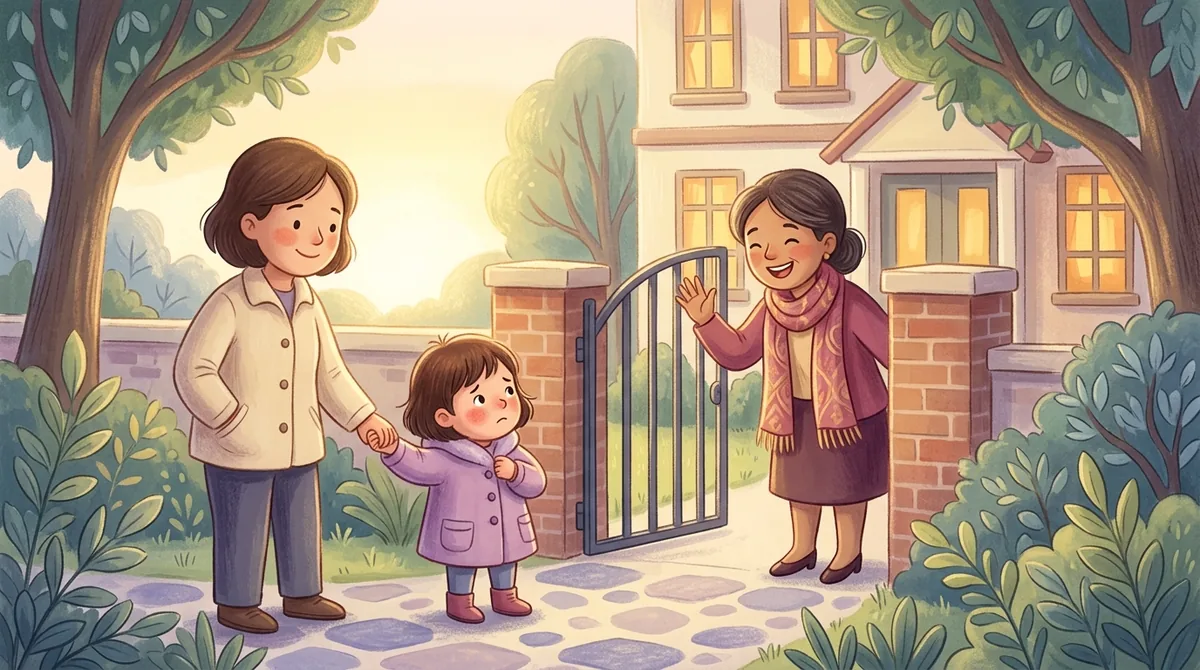
Two stories on this site put school at the centre rather than in the background: Sara Crewe's boarding school in A Little Princess, and the village schoolroom Margery builds herself in Goody Two Shoes. Both are about a child who keeps going when school turns difficult.
Stories for the week before a first day, or the night after a hard one. They put the worry into a character a child can root for, and they end the way most first days do: better than expected.
Where to start with school and first-day stories
 1 min
Ages 1–3 · Nursery Rhymes
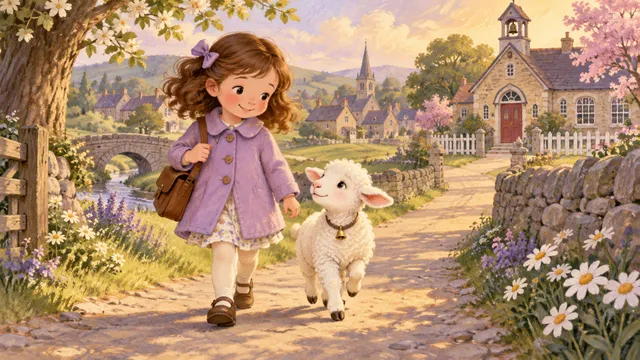
Mary Had a Little Lamb
1 min
Ages 1–3 · Nursery Rhymes
Mary Had a Little Lamb
Mary's loyal little lamb follows her all the way to school, where it makes the children laugh. The rhyme has a clear…
 10 min
Ages 3–7 · Nursery Rhymes
Goody Two Shoes
10 min
Ages 3–7 · Nursery Rhymes
Goody Two Shoes
Goody Two Shoes is a kind girl who loves helping everyone in her village. With her mischievous friends, she learns to…
 13 min
Ages 6–10 · Magic
A Little Princess
13 min
Ages 6–10 · Magic
A Little Princess
Sarah Crewe sails to England, full of imagination, but tragedy strikes when her father dies, leaving her penniless at a…
The two stories, and which child each one suits
This is a small collection, and it is honest about that. Most of the library's stories are set in forests, kitchens and kingdoms; only two are really about school.
A Little Princess, for a child who is finding school hard
A Little Princess is the longer of the two at eleven minutes, and it suits ages six to ten. Sara Crewe arrives at a London boarding school with everything and loses it in an afternoon. What the story is actually about is how she behaves once the other girls stop being kind, which makes it the right story for a child who is being left out rather than one who is simply nervous.
Goody Two Shoes, for a child who likes being the capable one
Goody Two Shoes is gentler and shorter, and it goes the other way: Margery has nothing at the start and teaches herself to read, then teaches everybody else. It is a good story for the week before a first day, because the child in it is the one who ends up helping.
What to read when school is the worry and the shelf is empty
If the two above are not right, the worry underneath is usually one of three things, and other parts of the library handle each of them better than a school setting would.
- Nervous about a new place. The belonging stories are about arriving somewhere and not fitting yet. The Ugly Duckling is the one every child eventually needs.
- Trouble with other children. The friendship stories deal with falling out and making up. The Lion and the Mouse is two minutes and makes the point that the smallest child in the room is not the least useful one.
- Frightened of getting it wrong. The bravery stories are about being scared and doing the thing anyway, which is the whole of a first morning.
For choosing by the time you have rather than the subject, the five-minute stories are the ones that fit a school night that has already run late.
Reading in the week before a first day
A story is a safer way into a worry than a direct question, because the child can talk about the character instead of themselves. The practical version of this is in the guide on reading aloud and school readiness, and the questions worth asking afterwards are in questions to ask during a bedtime story.
Keep the story itself ordinary. The night before a first day is not the night for a new, exciting, thirty-minute tale; it is the night for something familiar, finished early, with the light off at the usual time. Stories for early readers has the fuller list for this age.
Collections that share these stories
Ranked by how many stories they have in common with this one.
Questions about school and first-day stories
Why are there only two school stories?
The library is built mostly from classic fairy tales and fables, and school is a modern setting that those tales do not use. Only A Little Princess and Goody Two Shoes put a schoolroom at the centre.
What should I read the night before a first day at school?
Something familiar and short rather than something new about school. A story the child already knows, finished before the usual lights-out, does more for a nervous night than a story about the thing they are nervous about.
My child is being left out at school. Is there a story that helps?
A Little Princess deals with it directly and honestly, and suits ages six to ten. For younger children, The Ugly Duckling in the belonging stories makes the same point more gently.