
6 stories
Giants, trolls and ogres
Big, loud, and always outwitted by someone small
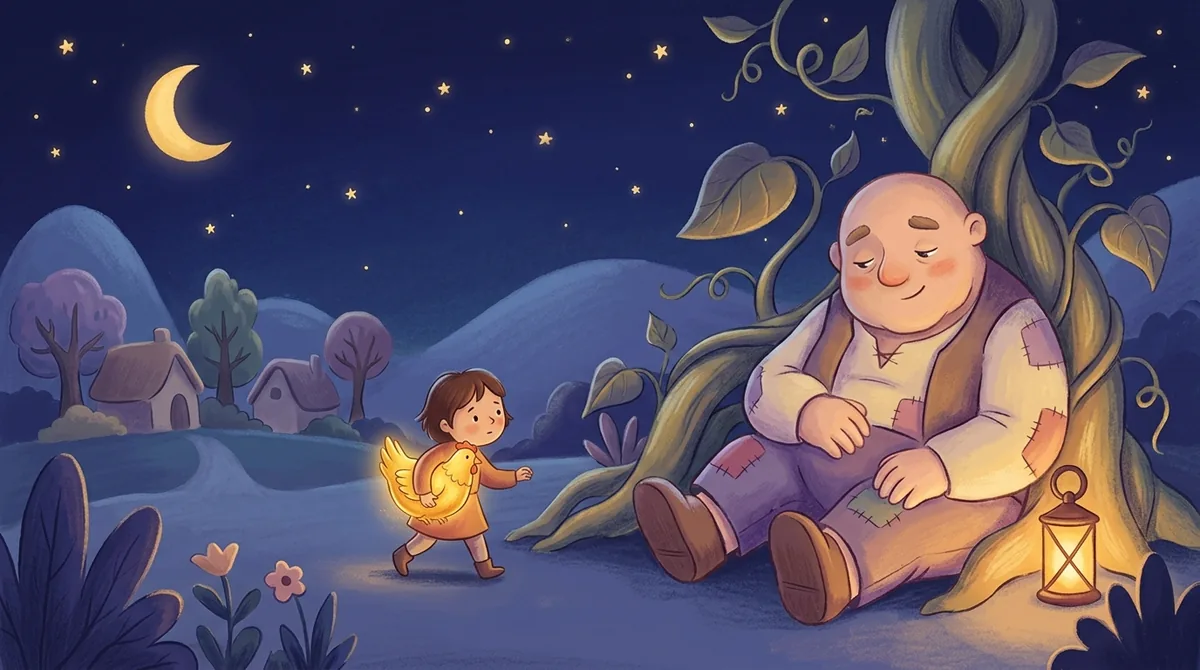
Six stories about giants, trolls and ogres, and in every one of them the big creature is outwitted by somebody small. That pattern is the reason these tales are so reliably satisfying for a child who feels little.
Giants are the bedtime villain that works for every age: frightening enough to be exciting, slow enough that a clever child (or goat, or tailor) always wins. Younger listeners get the friendly giants; older ones get the beanstalk.
Where to start with giants, trolls and ogres
 6 min
Ages 4–8 · Magic
The Great White Bear and the Trolls
6 min
Ages 4–8 · Magic
The Great White Bear and the Trolls
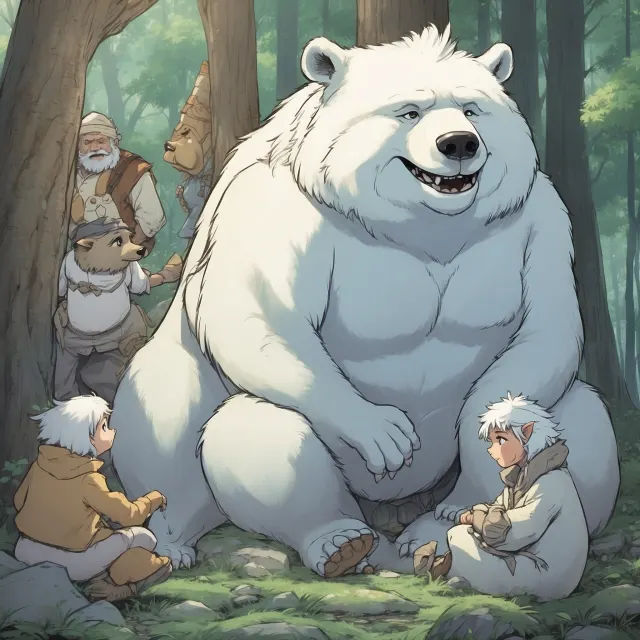
The Great White Bear protects his peaceful forest home. When a group of grumpy trolls arrives and starts playing…
 8 min
Ages 4–8 · Classic Tales
The Giant Who Had No Heart In His Body
8 min
Ages 4–8 · Classic Tales
The Giant Who Had No Heart In His Body
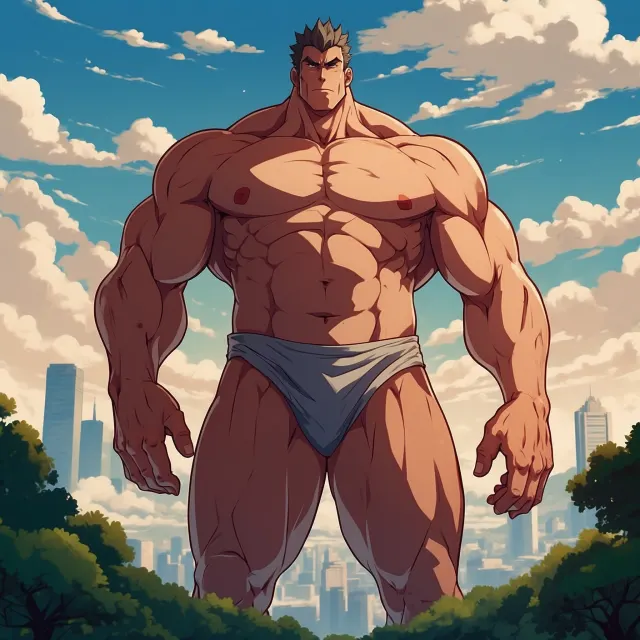
Greta, a brave little girl, lives in a peaceful valley where everyone fears a mysterious giant said to have no heart…
 11 min
Ages 5–12 · Magic
East of the Sun and West of the Moon
11 min
Ages 5–12 · Magic
East of the Sun and West of the Moon
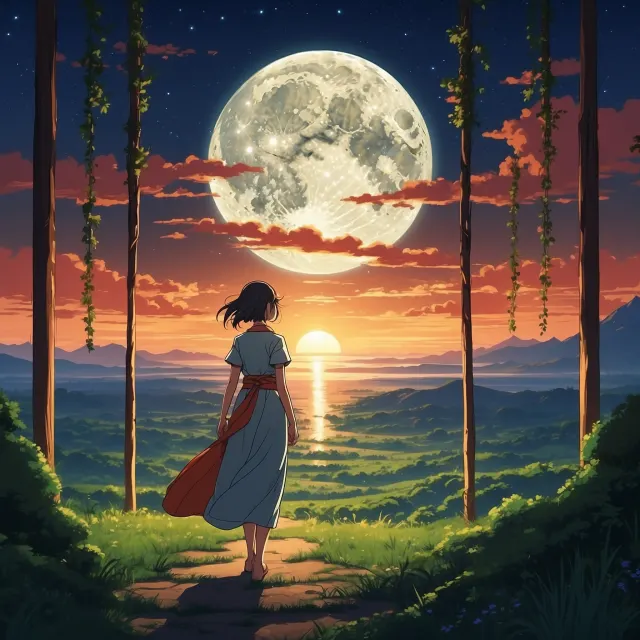
Rose-Petal, born from a mother's wish, must never gaze too long at the sun or moon. She marries a handsome troll from a…
 11 min
Ages 6–10 · Classic Tales
The Tale of Tom Thumb
11 min
Ages 6–10 · Classic Tales
The Tale of Tom Thumb
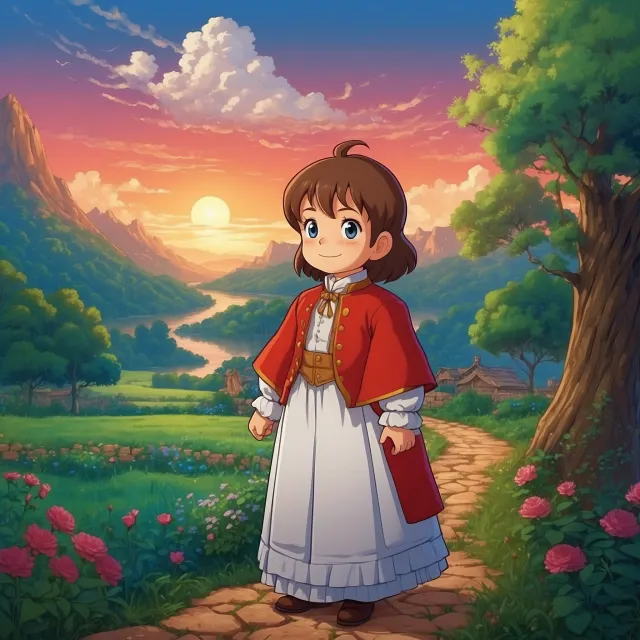
Meet Tom Thumb, a boy no bigger than a thumb, whose arrival puzzles his village. Despite his tiny size, Tom has a huge…
 14 min
Ages 4–8 · Magic
Jack and the Beanstalk
14 min
Ages 4–8 · Magic
Jack and the Beanstalk
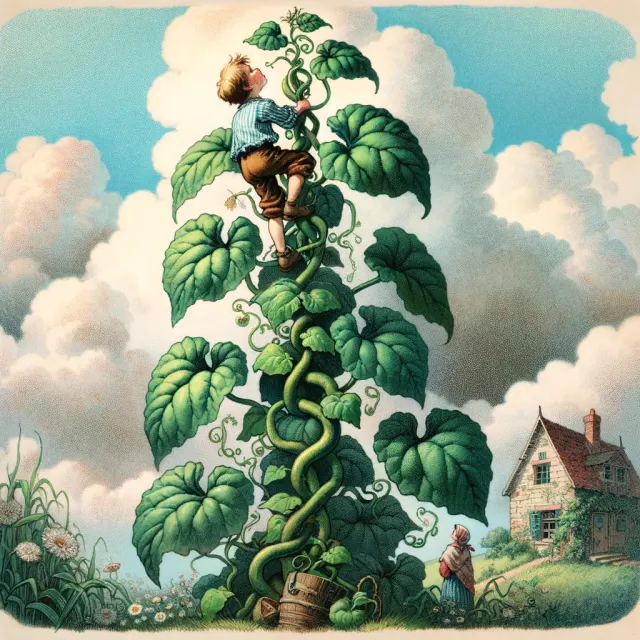
Young Jack lives in a poor village and sells his family's cow for magic beans. Overnight, a colossal beanstalk grows to…
 14 min
Ages 4–8 · Friendship
The Selfish Giant
14 min
Ages 4–8 · Friendship
The Selfish Giant
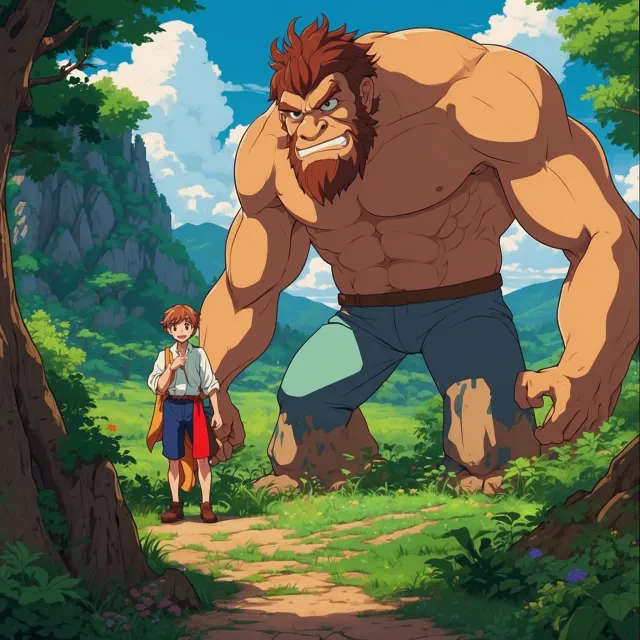
The Selfish Giant lives in a towering castle, keeping his beautiful spring garden all to himself. When he sees children…
Six big creatures, all of them beaten by someone small
The giant story has one job: to let a small person win. That is the whole appeal, and it is why these six suit children who are otherwise cautious about frightening things. Jack and the Beanstalk is the English folk tale everyone knows, six minutes, and the giant is loud rather than clever. The Tale of Tom Thumb makes the point twice over, since the hero is the size of a thumb.
The two with a twist
The Giant Who Had No Heart In His Body is a Norwegian-shaped puzzle: the giant cannot be killed until someone works out where he keeps his heart. The Selfish Giant, retold from Oscar Wilde, is not a defeat at all — the giant changes, and the story is gentler and sadder than the others.
How loud to make the giant
A giant is a voice, and at bedtime the voice matters more than the words. Big and slow reads as safe. Big and sudden reads as frightening. Bringing the volume down while keeping the pitch low gives you a giant who is enormous without being alarming, which is the whole trick.
If your child is on the edge of finding this too much, our guide to fairy tales and fear is worth ten minutes. It covers the difference between a child who is scared and a child who is thrilled, and what to do when you have got it wrong.
Being honest about the frightening bit
Giants threaten to eat people. There is no version of Jack and the Beanstalk in which that is not true, and pretending otherwise leaves a child alone with it. Say it plainly instead — the giant wants to eat him, and he does not manage it — and then let the story do the reassuring. Children take comfort from the ending far more than from a parent insisting nothing bad happens.
If the giant does turn up at bedtime, the fix is rarely another conversation. It is a short, dull, warm story afterwards, and a light left on the landing.
The trolls, and the two long ones
Trolls are the friendlier end of this collection. Where a giant is a threat to be survived, a troll is usually an obstacle to be got around, and the stories treat them accordingly.
The Great White Bear and the Trolls is six minutes, listed for four to eight, and the trolls in it are more nuisance than menace. East of the Sun and West of the Moon is the eleven-minute Norwegian tale, listed from five to twelve, and it is the one to save for a night with no clock running.
For the same scale without a villain, try dragon stories, where most of the big creatures turn out to be friendly, or elves and dwarves for the small end of the same folklore. Bravery and courage stories covers the feeling your child is really after.
Collections that share these stories
Ranked by how many stories they have in common with this one.
Questions about giants, trolls and ogres
How many giant and troll stories are there?
Six, from six to eleven minutes read aloud, listed for ages four to twelve.
Are giant stories too frightening for a four year old?
Usually not, because the giant almost always loses to someone small. The Great White Bear and the Trolls and The Giant Who Had No Heart In His Body are both listed from age four.
Which giant story is the gentlest?
The Selfish Giant, retold from Oscar Wilde. The giant is not defeated but changed, and the story ends tenderly rather than in a chase.
Why do giants always lose in fairy tales?
Because the listener is small. A story where size loses to cleverness gives a child the position of power for ten minutes, which is exactly what they want at bedtime.