
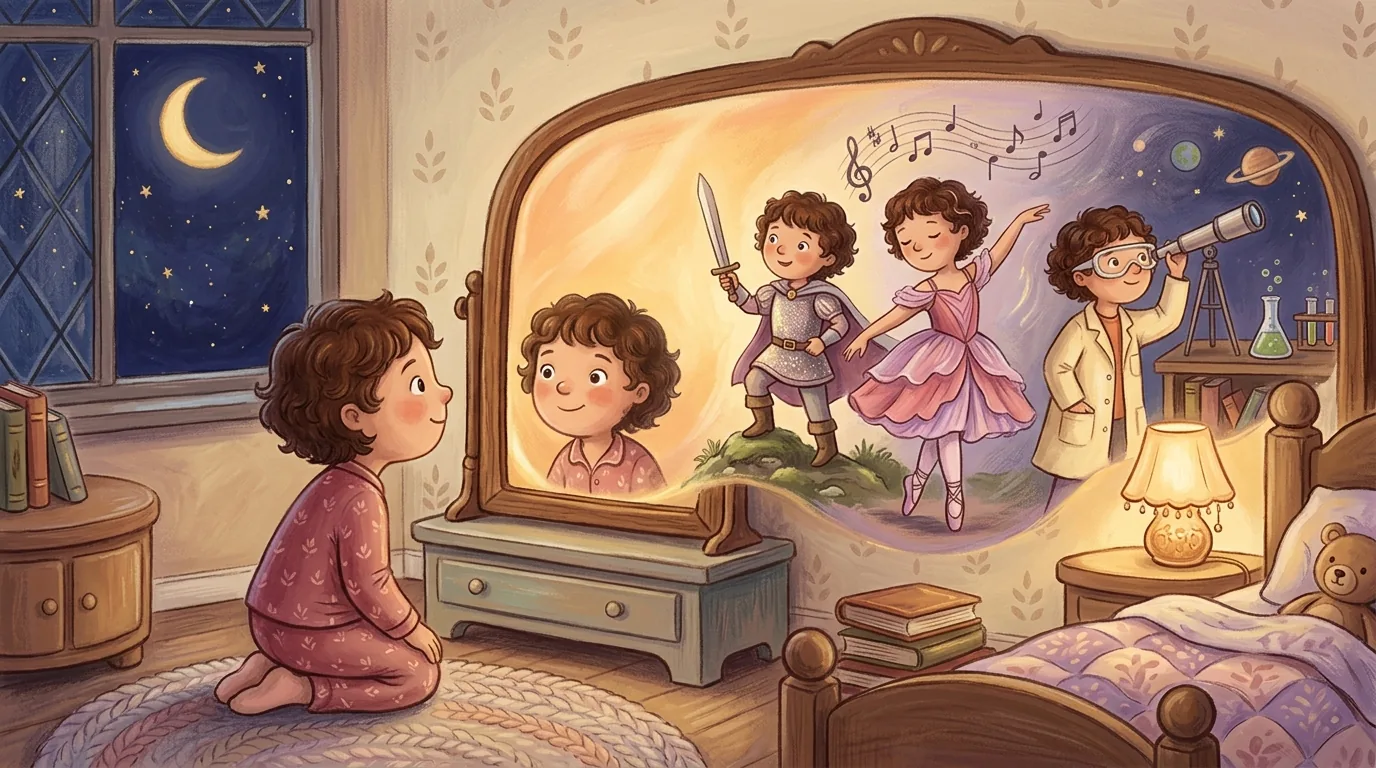
Forty-one stories about being mistaken, disguised, underestimated or not yet grown into your own shape. The Emperor’s New Clothes is the shortest way in at three minutes; The Tale of Tom Thumb and The Old Hound run to eleven.
Identity stories ask the question every child eventually asks: am I what people say I am? The answer, in a good fairy tale, is no. The duckling is a swan; the kitchen girl is a princess; the beast is kind. These stories give a child permission to be what they are rather than what they are told.
They suit older preschoolers and school-age children, who have started to hear labels and wonder whether they are true.
Where to start in identity
12 of the 41 stories in this theme, picked as good first choices: the shortest, the gentlest and the best loved.
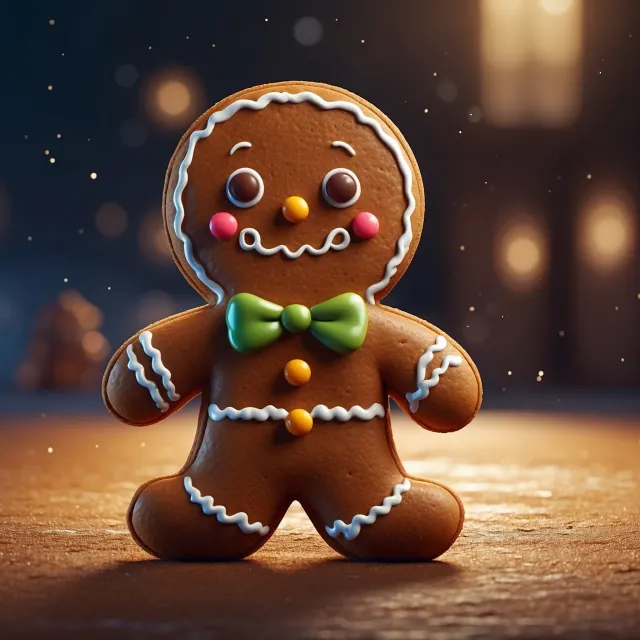 7 min
Ages 3–7 · Classic Tales
The Gingerbread Man
7 min
Ages 3–7 · Classic Tales
The Gingerbread Man
A kind old woman bakes a delicious gingerbread man who springs to life and dashes off to explore the world. He meets a…
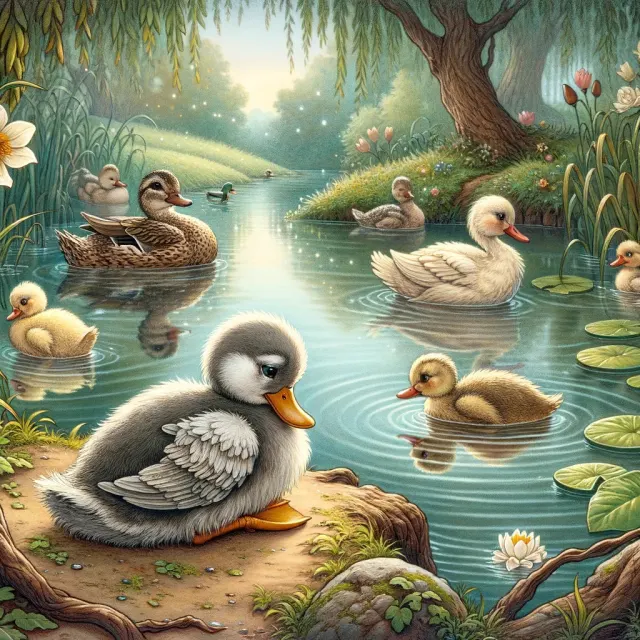 7 min
Ages 3–7 · Classic Tales
The Ugly Duckling
7 min
Ages 3–7 · Classic Tales
The Ugly Duckling
A mother duck hatches a clutch of ducklings, but one egg is unusually large. When it hatches, the grey, scruffy…
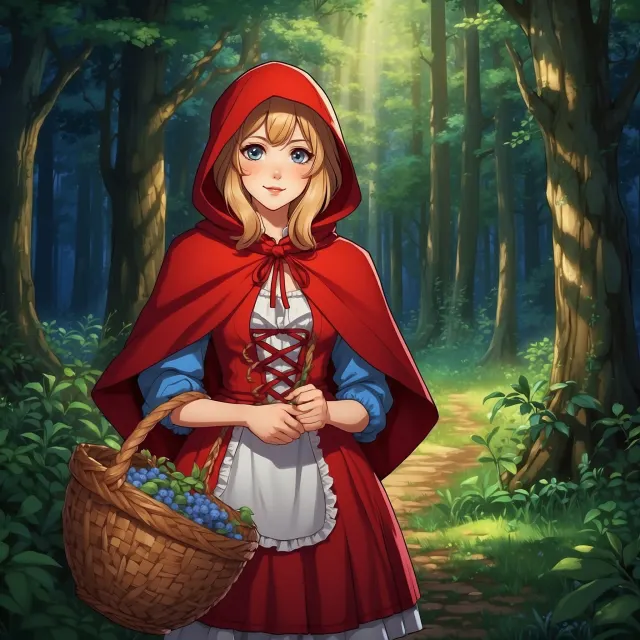 13 min
Ages 4–8 · Classic Tales
Little Red Riding Hood
13 min
Ages 4–8 · Classic Tales
Little Red Riding Hood
Little Red Riding Hood sets off through the enchanting forest to deliver a basket of goodies to her sick grandmother…
 4 min
Ages 3–7 · Classic Tales
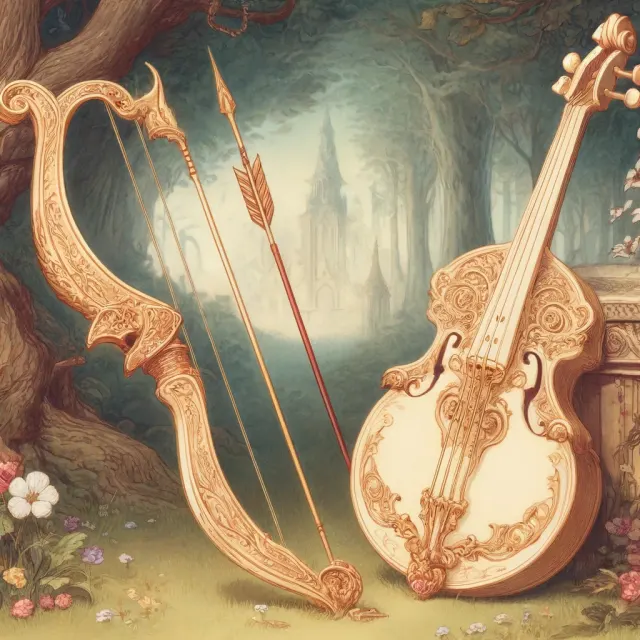
The Bow and the Lyre
4 min
Ages 3–7 · Classic Tales
The Bow and the Lyre
In a lush forest, an abandoned silver bow and golden lyre yearn for purpose. A wise old owl encourages them to join…
 4 min
Ages 4–8 · Classic Tales
The Emperor’s New Clothes
4 min
Ages 4–8 · Classic Tales
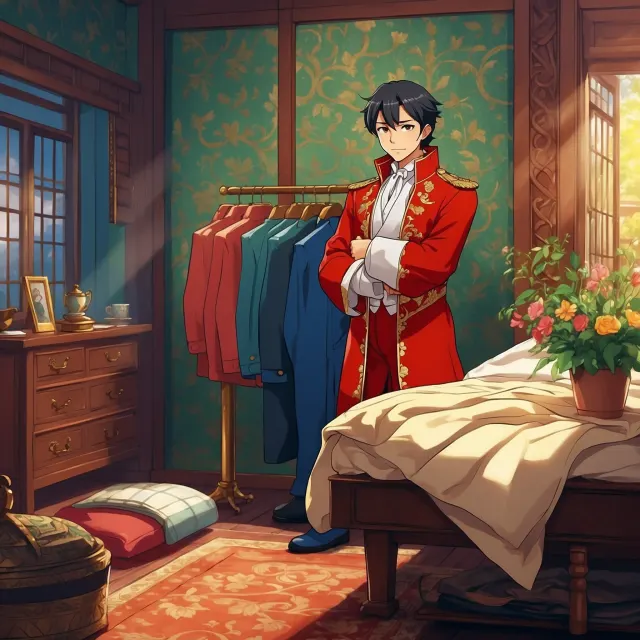
The Emperor’s New Clothes
The Emperor loves new clothes and is very proud. Two clever weavers promise to make him a magical suit, invisible to…
 4 min
Ages 4–8 · Classic Tales
The Fox Without a Tail
4 min
Ages 4–8 · Classic Tales
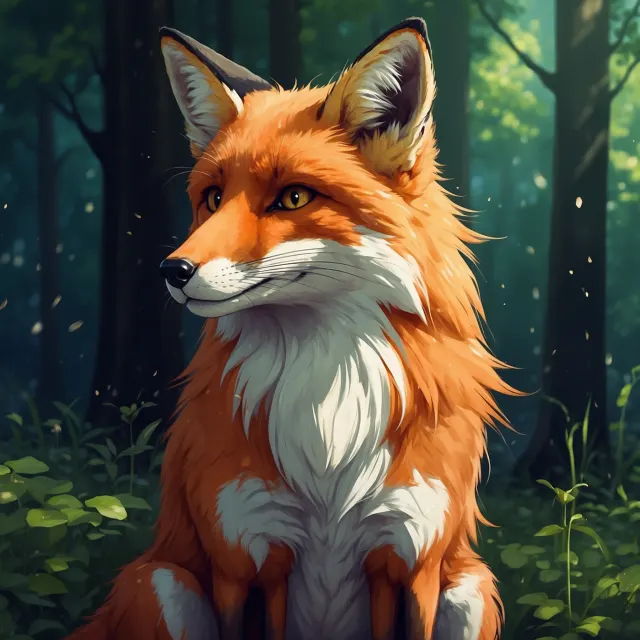
The Fox Without a Tail
Fawkes the fox loves playing tricks, but one mischievous prank goes wrong, leaving him injured and full of regret. He…
 5 min
Ages 4–8 · Magic
The Dwarf With The Golden Beard
5 min
Ages 4–8 · Magic
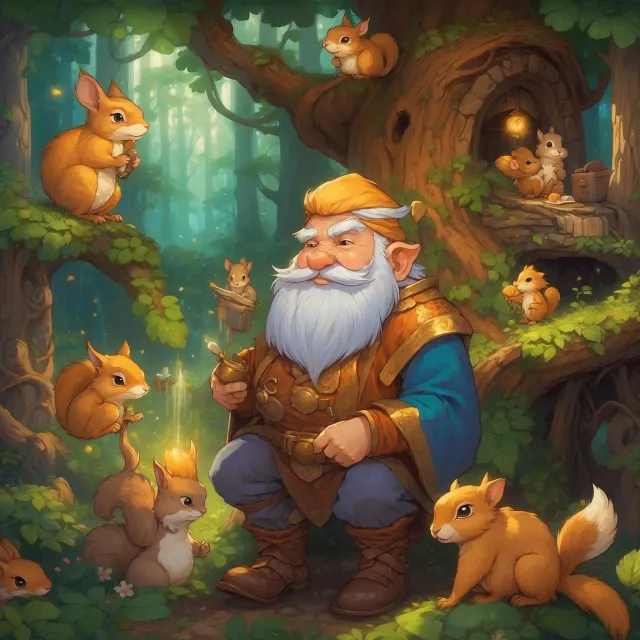
The Dwarf With The Golden Beard
In the Peaceful Forest, kind dwarf Glim discovers a magical golden beard that grants him wisdom and the ability to talk…
 5 min
Ages 3–7 · Classic Tales
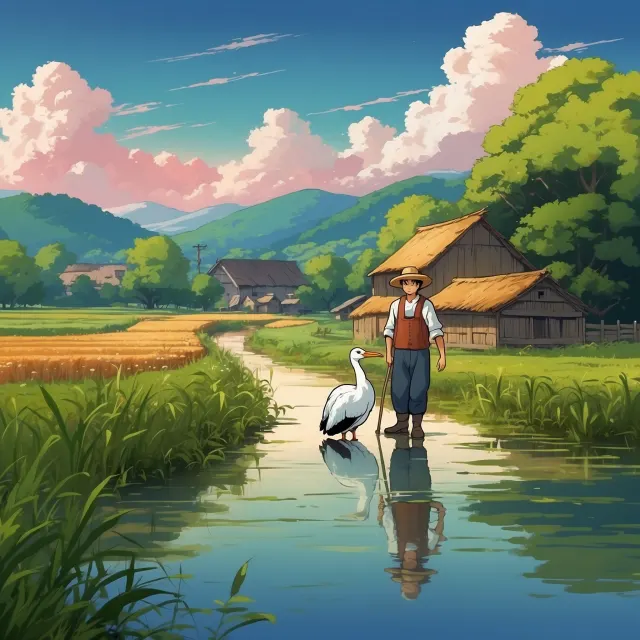
The Farmer and the Stork
5 min
Ages 3–7 · Classic Tales
The Farmer and the Stork
Farmer Tomas has a huge harvest to bring in, but it's a lot for one person. A magnificent stork offers to lend a beak…
 5 min
Ages 3–7 · Magic
The Fir Tree
5 min
Ages 3–7 · Magic
The Fir Tree
A young fir tree dreams of sparkling like the stars in the night sky. As seasons pass, it learns patience and wisdom…
 5 min
Ages 4–8 · Classic Tales
The Stag and His Reflection
5 min
Ages 4–8 · Classic Tales
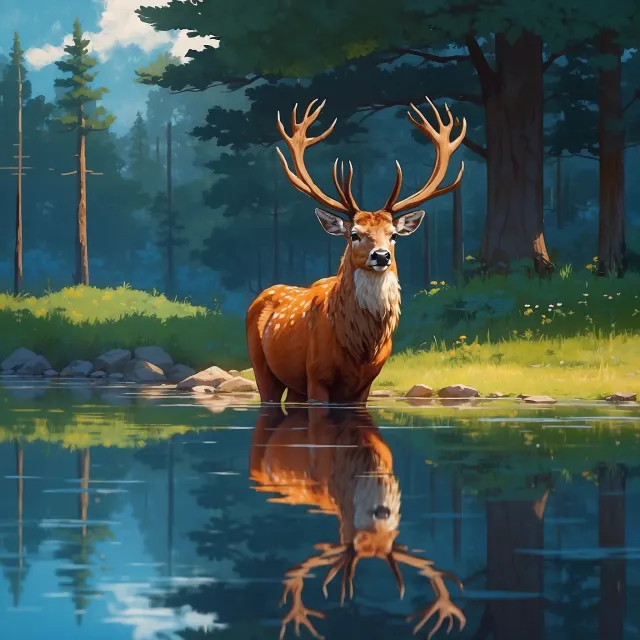
The Stag and His Reflection
Thaddeus the magnificent stag is very proud of his shining antlers. He believes his beauty makes him superior to other…
 6 min
Ages 4–8 · Classic Tales
The Boy Who Cried Wolf
6 min
Ages 4–8 · Classic Tales
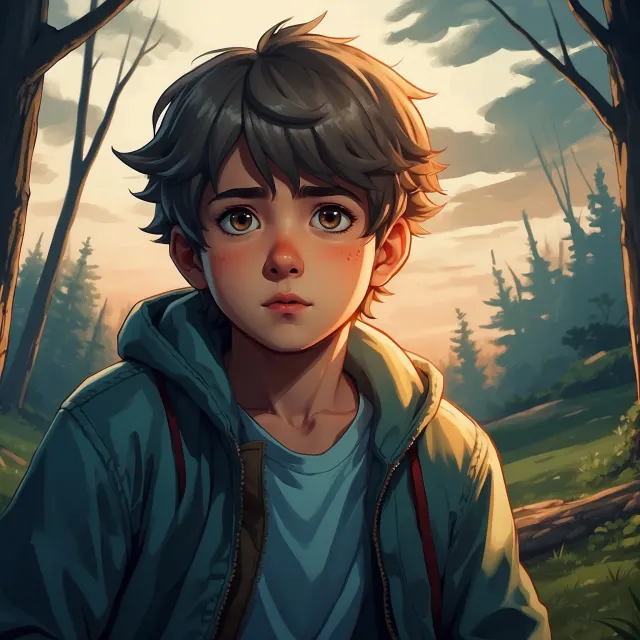
The Boy Who Cried Wolf
A mischievous boy guarding his flock enjoys tricking villagers with false cries of "Wolf!". They rush to help, only to…
 6 min
Ages 3–7 · Classic Tales
The Clown and the Countryman
6 min
Ages 3–7 · Classic Tales
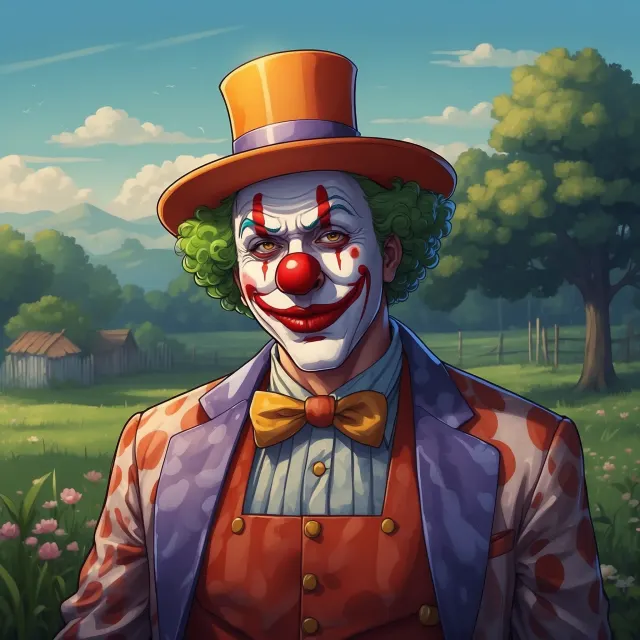
The Clown and the Countryman
Coco the clown arrives in a village where serious countryman Gus believes laughter has no place. Coco is determined to…
Told you are one thing when you are another
These are the stories a child remembers years later, because the feeling in them is one every child has had: being counted as less than you are.
The Ugly Duckling is the one that named the feeling, adapted here from Hans Christian Andersen (1805–1875) and running seven minutes for ages three to seven. The Goose Girl is the harder version for six to ten, where a princess is made to work as a servant and nobody will hear her. The Princess Who Wasn’t comes at it from the other end, and The Tale of Tom Thumb makes the whole argument about size.
For a child who feels like the odd one out
My Own Self at ten minutes is the gentlest of them, and it ends with a child naming themselves rather than being named.
Borrowed feathers and other disguises
The second group is about people pretending, and it is far funnier. Aesop supplies most of it.
The Vain Jackdaw is seven minutes of a bird wearing plumage it did not grow. The Wolf in Sheep’s Clothing gives the disguise to somebody dangerous, which is a useful thing for a five-to-eight-year-old to think about. The Fox Without a Tail is four minutes on persuading everyone else to lose what you have lost, and Puss in Boots is a whole story built out of a name somebody invented.
The difference worth drawing out
Some of these characters are hiding and some are performing, and children mix the two up. The wolf hides because he wants something; the jackdaw performs because he wants to be looked at. If an eight-year-old can tell you which is which, they have understood more about people than the moral at the end of either story says.
Faces, mirrors and what they are worth
A third group looks at appearance directly, and these are the ones to have ready when a child first says something unhappy about how they look.
The Stag and His Reflection is five minutes and turns on the difference between the handsome part and the useful part. Riquet With The Tuft and The Peacock and the Fox both argue that a face is not a character. The Light Princess, adapted from George MacDonald, is the odd one out and the cleverest: it is about a girl who cannot feel anything heavy, and about learning that sadness belongs to you too.
Keep The Fir Tree nearby as well. It is five minutes, gentle, and its subject is wanting to be older and bigger than you currently are, which is the version of this question most five-year-olds are really asking.
Where identity sits in the rest of the library
This is a branch of family, which is where a child’s idea of themselves usually starts, and its closest relation elsewhere on the site is belonging — nine stories about finding your people rather than working out who you are.
And the near-miss theme
Plenty of these stories also appear under pride, because a boast and an identity are easy to confuse. The difference worth pointing out to an older child is that the jackdaw wants to be admired while the duckling only wants to be at home somewhere.
A handful sit in both themes and in friendship as well, which is usually a sign of a good story rather than a filing error. The Crow and the Swan is seven minutes and a fair example: a bird who wants to change what it is, and a friend who would rather it did not. Read it after The Ugly Duckling and the two make an argument together.
If a story here opens a conversation you were not expecting, our guide on how stories teach empathy is the useful one to read afterwards.
Every identity story, A to Z
- A Midsummer Night’s Dream
- Ali Baba and the Forty Thieves
- Giauna the Beautiful
- Grandmother
- Little Red Riding Hood
- Mudjee Monedo
- My Own Self
- Puss in Boots
- Rapunzel
- Riquet With The Tuft
- Seven At One Blow
- The Birds, the Beasts, and the Bat
- The Bow and the Lyre
- The Boy Who Cried Wolf
- The Clown and the Countryman
- The Crow and the Swan
- The Dwarf With The Golden Beard
- The Emperor’s New Clothes
- The Farmer and the Stork
- The Fir Tree
- The Fox and the Monkey
- The Fox Without a Tail
- The Gingerbread Man
- The Goose Girl
- The Light Princess
- The Lion and the Fox
- The Lion, the Fox, and the Beasts
- The Magical Tale of Cinderella
- The Man and His Two Wives
- The Monkey and the Camel
- The Old Hound
- The Old Lion and the Fox
- The Peacock and the Fox
- The Princess Who Wasn’t
- The Stag and His Reflection
- The Stag at the Pool
- The Tale of Tom Thumb
- The Ugly Duckling
- The Vain Jackdaw
- The Wolf and the Shepherd
- The Wolf in Sheep's Clothing
Questions parents ask about identity stories
What is the best story for a child who feels different?
The Ugly Duckling is the standard choice and it earns it, at seven minutes for ages three to seven. My Own Self is a gentler alternative for a child who does not want the subject named quite so directly.
Is The Light Princess suitable for a young child?
It is written here for ages five to eight. The idea at its centre, that being unable to feel sad is a problem rather than a gift, needs a listener old enough to find that strange.
Why do so many of these stories involve animals?
A fox or a jackdaw lets a child think about pretending and vanity without anyone at the table being accused of it. That distance is exactly why Aesop used animals in the first place.
How long are the identity stories?
Three to eleven minutes. The Emperor's New Clothes is the shortest; The Tale of Tom Thumb and The Old Hound are the longest at eleven.