
34 stories · part of Classic Tales
Nursery Rhymes stories
The oldest bedtime words of all, with their stories and their history
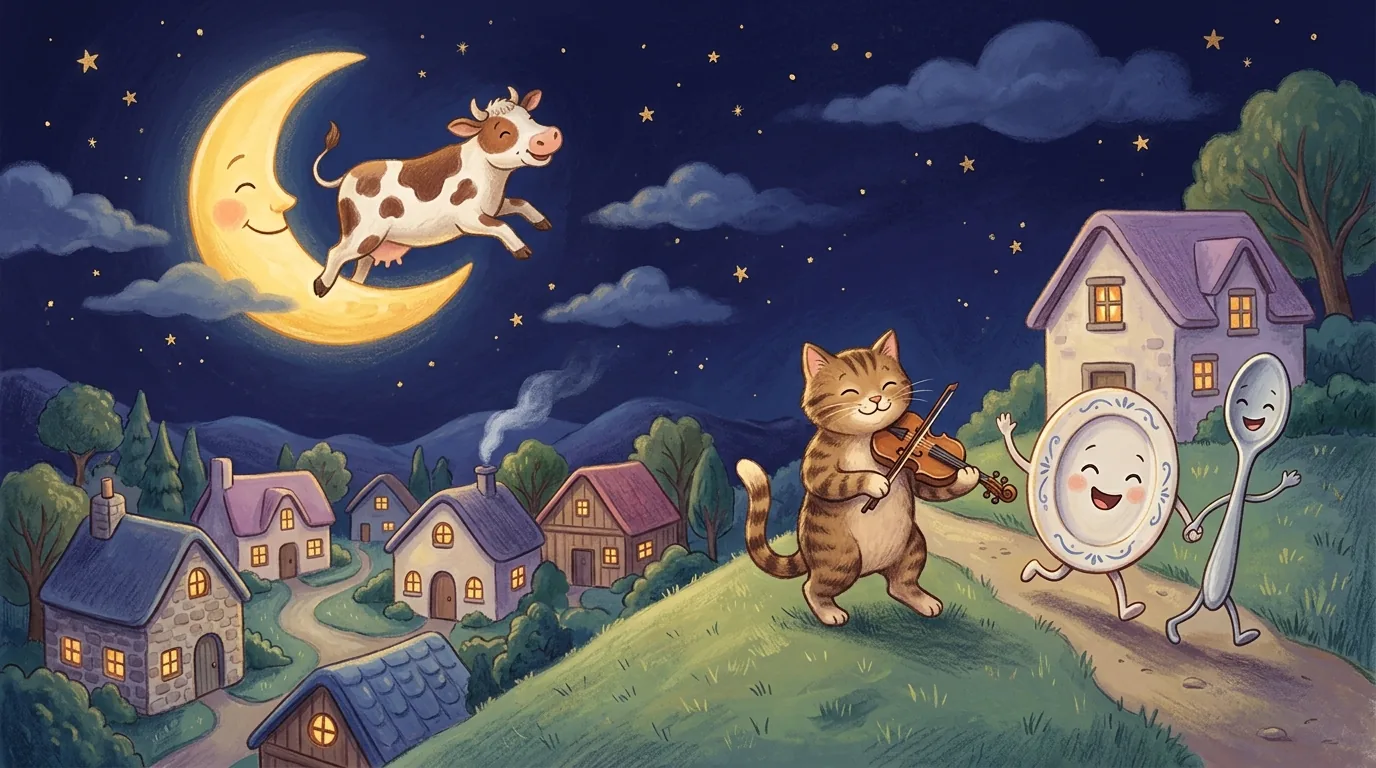
This shelf holds 12 genuine nursery rhymes, each about a minute long and labelled Ages 1–3, followed by the 22 traditional nursery tales told as prose: Goldilocks, The Gingerbread Man, The Enormous Turnip and the rest, at four to eight minutes aloud.
A nursery rhyme is the first poem most children ever hear, and the first thing they ever say back. The rhythm does the work: babies settle to it, toddlers bounce to it, and the words go into memory so deeply that adults can still recite them fifty years later.
Each rhyme here comes with a little more than the words. Where a rhyme has a known history, a lost verse or a story hidden inside it, we tell it, because a parent who knows why the cow jumped over the moon reads it differently. Use these as the very last thing at night, when a full story is too much and a familiar rhyme is exactly enough.
Where to start in nursery rhymes
12 of the 34 stories in this theme, picked as good first choices: the shortest, the gentlest and the best loved.
 1 min
Ages 1–3 · Nursery Rhymes
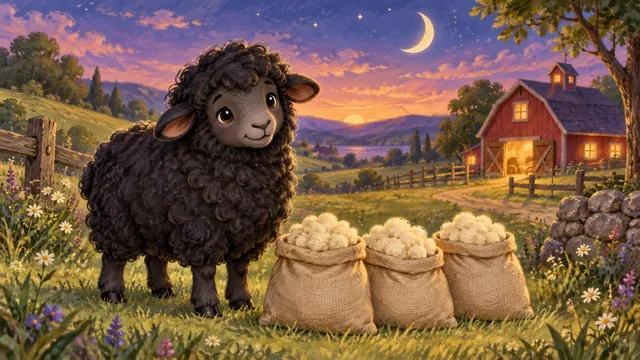
Baa, Baa, Black Sheep
1 min
Ages 1–3 · Nursery Rhymes
Baa, Baa, Black Sheep
A friendly black sheep has three full bags of wool to share. The animal sound, simple question and counting pattern…
 1 min
Ages 1–3 · Nursery Rhymes
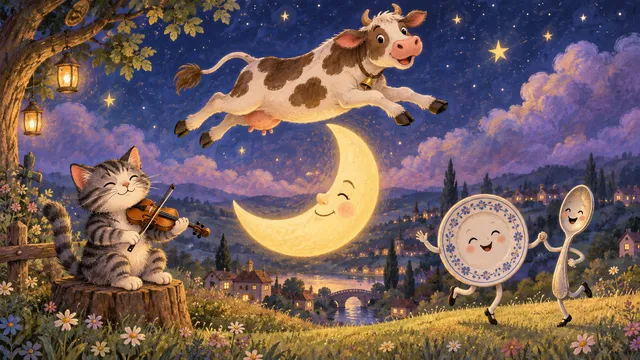
Hey Diddle Diddle
1 min
Ages 1–3 · Nursery Rhymes
Hey Diddle Diddle
A fiddling cat, a moon-jumping cow and runaway crockery begin the familiar nonsense, followed by new verses that yawn…
 1 min
Ages 1–3 · Nursery Rhymes
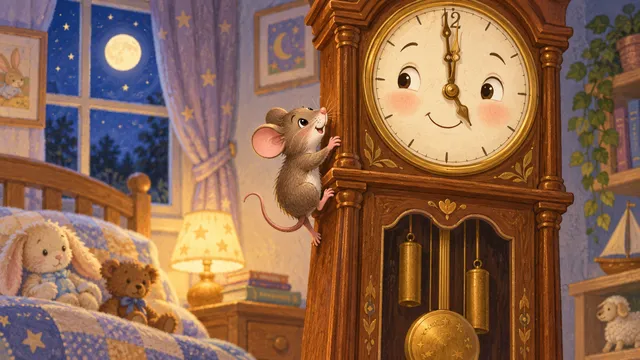
Hickory Dickory Dock
1 min
Ages 1–3 · Nursery Rhymes
Hickory Dickory Dock
A tiny mouse races up a tall clock, hears it strike one and scampers straight back down. The tick-tock beat makes this…
 1 min
Ages 1–3 · Nursery Rhymes
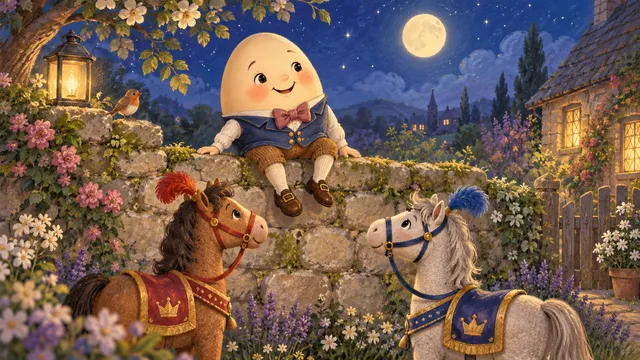
Humpty Dumpty
1 min
Ages 1–3 · Nursery Rhymes
Humpty Dumpty
Humpty Dumpty takes his famous tumble in the four traditional lines, then neighbours gather the pieces in a gentle new…
 1 min
Ages 1–3 · Nursery Rhymes
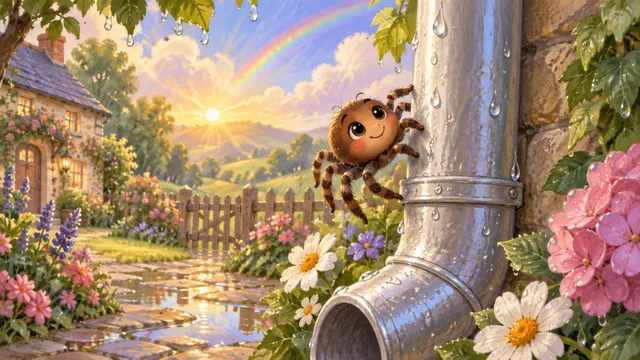
Incy Wincy Spider
1 min
Ages 1–3 · Nursery Rhymes
Incy Wincy Spider
A tiny spider climbs, gets washed down by rain and starts all over when the sunshine returns. The hand actions and…
 1 min
Ages 1–3 · Nursery Rhymes
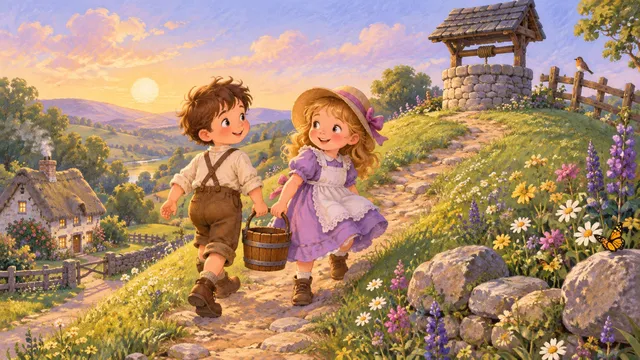
Jack and Jill
1 min
Ages 1–3 · Nursery Rhymes
Jack and Jill
Jack and Jill climb a hill for water, take a tumble and hurry safely home. The strong rhymes and clear actions make…
 1 min
Ages 1–3 · Nursery Rhymes
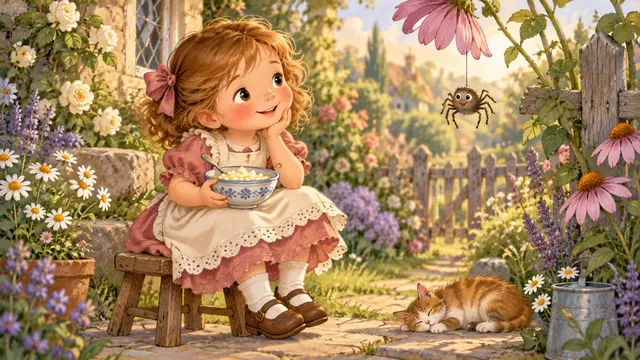
Little Miss Muffet
1 min
Ages 1–3 · Nursery Rhymes
Little Miss Muffet
Miss Muffet's snack is interrupted by a spider in the traditional verse, then two new playful verses reveal that the…
 1 min
Ages 1–3 · Nursery Rhymes
Mary Had a Little Lamb
1 min
Ages 1–3 · Nursery Rhymes
Mary Had a Little Lamb
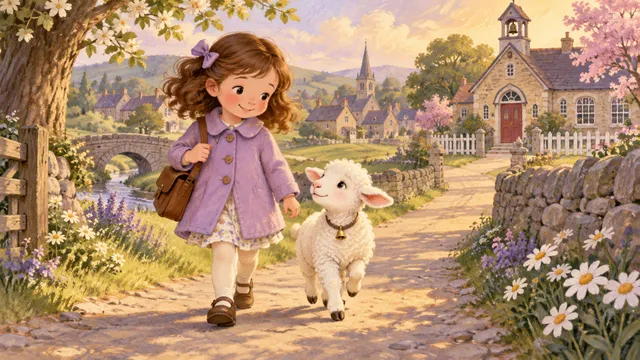
Mary's loyal little lamb follows her all the way to school, where it makes the children laugh. The rhyme has a clear…
 1 min
Ages 1–3 · Nursery Rhymes
Rock-a-bye Baby
1 min
Ages 1–3 · Nursery Rhymes
Rock-a-bye Baby
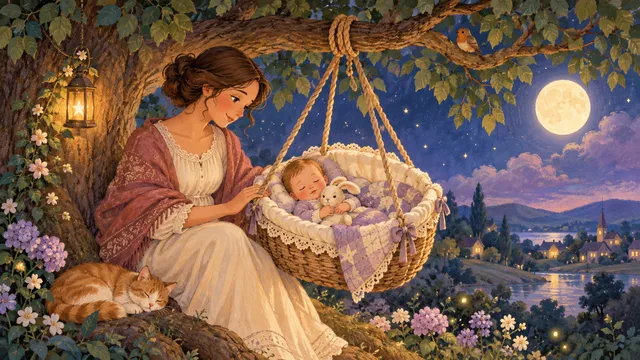
A cradle rocks softly beneath a moonlit tree while a parent keeps watch nearby. This gentle bedtime version keeps the…
 1 min
Ages 1–3 · Nursery Rhymes
Row, Row, Row Your Boat
1 min
Ages 1–3 · Nursery Rhymes
Row, Row, Row Your Boat
A little boat drifts down a stream in the familiar round, then continues beneath stars and past the willows in two new…
 1 min
Ages 1–3 · Nursery Rhymes
Twinkle, Twinkle, Little Star
1 min
Ages 1–3 · Nursery Rhymes
Twinkle, Twinkle, Little Star
A little star shines above the sleeping world, guiding travellers with its tiny light. This familiar, slow rhyme is…
 2 min
Ages 1–3 · Nursery Rhymes
Old MacDonald Had a Farm
2 min
Ages 1–3 · Nursery Rhymes
Old MacDonald Had a Farm
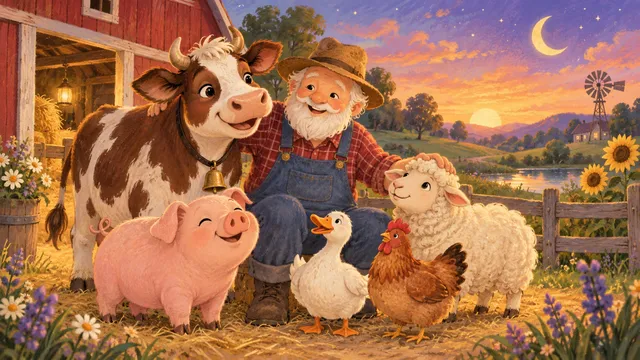
Old MacDonald's cow, duck, pig, sheep, hen and horse each add a new sound to the farm. Children can join in before they…
The verses themselves, short enough to use tonight
The rhymes are here as verse, not as prose retellings. Humpty Dumpty begins with its four traditional lines, Hey Diddle Diddle with its six, and Twinkle, Twinkle, Little Star carries the familiar opening plus the older verses about a traveller guided through the dark. None has been padded out into a story.
That brevity is the point. A one-year-old can hold the sound of a line long before they can hold a plot, and a two-year-old gets the pleasure of supplying the final word. Read the same rhyme twice if it is wanted; repetition is the activity, not a failure to move on.
Choose calm, silly or busy
For the very end of bedtime, use Row, Row, Row Your Boat, Rock-a-bye Baby or Twinkle, Twinkle, Little Star. Their motion is slow and their last lines let your voice fall naturally.
For silliness, choose Hey Diddle Diddle or Old MacDonald Had a Farm. For fingers that need a job, Incy Wincy Spider supplies the actions and Hickory Dickory Dock supplies a beat to tap.
How a toddler joins in before they can recite
Leave a small pause before the predictable word: star, moon, clock, sheep. At first your child may only look at you. Then comes a sound, then the final word, and eventually the whole line. Animal rhymes make the first step easiest: the moo in Old MacDonald and the baa in Baa, Baa, Black Sheep count as joining in.
Use movement without turning the rhyme into a lesson. Rock for the boat, walk two fingers up the water spout, or tap a steady tick-tock on the blanket. Sound, touch and repetition are doing the language work together.
The nursery tales that sit alongside them
After the verses come the traditional tales children meet at the same age, told as prose. Goldilocks and The Three Bears runs four minutes and repeats three sizes of everything; The Enormous Turnip adds one puller at a time so the list grows and your child can chant it with you.
Keep the chases and the woods for nearer three. The Three Billy Goats Gruff has a troll under the bridge and Little Red Riding Hood has a wolf, both of which land better once a child is confident the ending comes out right.
Where the rhymes came from
Most nursery rhymes were passed from voice to voice before anyone printed them, so their first author and exact date are often unknown. Mary Had a Little Lamb is an exception, published by Sarah Josepha Hale, while Twinkle, Twinkle began as Jane Taylor's poem The Star.
The confident secret histories attached to older rhymes are usually much newer than the verses. Our guide to nursery-rhyme origins separates documented history from entertaining guesswork.
When your child is ready for something longer
The ages one to three page begins with this same rhyme shelf, then offers longer repetitive tales for a child nearing three. Move to those when your child can hold one character and one problem beyond the repeated line.
Rhyming Stories & Poems is the next shelf for verse with a plot. The five-minute stories are the next step in length, and the toddler reading guide explains how to tell when a listener is ready.
Every nursery rhymes story, A to Z
- Baa, Baa, Black Sheep
- Chicken Licken
- Goldilocks and The Three Bears
- Goody Two Shoes
- Hansel and Gretel
- Henny Penny
- Hey Diddle Diddle
- Hey Diddle Diddle, Little Red Hen
- Hickory Dickory Dock
- Humpty Dumpty
- Incy Wincy Spider
- Jack and Jill
- Jack and the Beanstalk
- Little Miss Muffet
- Little Red Riding Hood
- Mary Had a Little Lamb
- Old MacDonald Had a Farm
- Rapunzel
- Rock-a-bye Baby
- Row, Row, Row Your Boat
- Snow White and Rose Red
- Snow White and the Seven Dwarfs
- The Elves and the Shoemaker
- The Enormous Turnip
- The Frog Prince
- The Gingerbread Man
- The Golden Goose
- The Magical Tale of Cinderella
- The Pied Piper of Hamelin
- The Princess and the Pea
- The Tale of Tom Thumb
- The Three Billy Goats Gruff
- The Ugly Duckling
- Twinkle, Twinkle, Little Star
Questions parents ask about nursery rhymes stories
Are these actual nursery rhymes?
The first twelve are: each contains the verse itself, most under a minute to say. The rest of the shelf is the traditional nursery tales told as prose, at four to eight minutes.
Why do children want the same nursery rhyme every night?
Repetition is how young children learn language and feel safe, and knowing what happens next is part of the pleasure rather than a sign of boredom. It usually passes on its own.
What age are these nursery rhymes for?
The verses are selected and labelled for ages one to three. The prose tales that follow are labelled three to seven, which is the age a child could follow one alone.